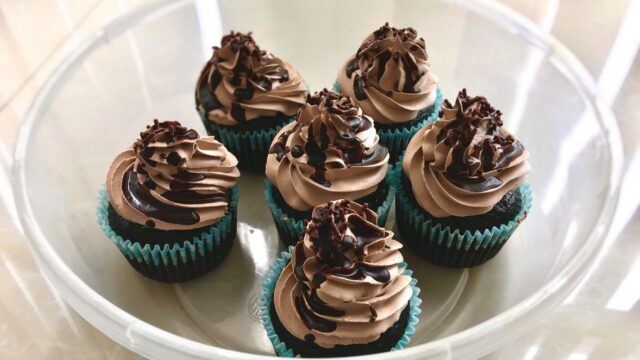
Chocolate Cupcakes With Oil and Cocoa: Why Hot Coffee or Water Makes Them Better
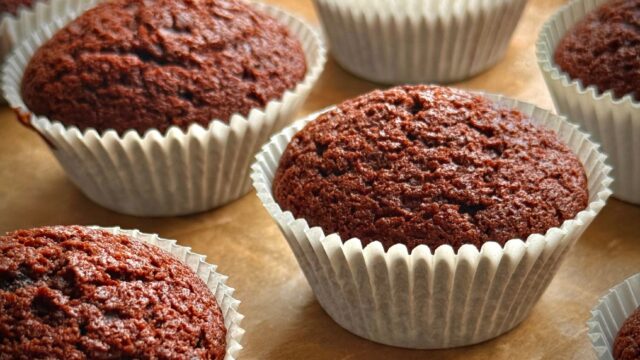
A thin, pourable batter of cocoa, oil and hot liquid bakes into a dark, soft cupcake that stays moist for days. Here is the standard ratio and the science behind it.
A thin, pourable batter of cocoa, oil and hot liquid bakes into a dark, soft cupcake that stays moist for days. Here is the standard ratio and the science behind it.
Gingerbread dough is a molasses-sweetened, spiced cookie dough that rolls and cuts well. Thickness and bake time decide whether the cookies come out soft or snappy.
Molasses brings moisture, color and that deep gingerbread flavor to a simple one-bowl muffin. Bake a batch, freeze it and you have December breakfasts covered.
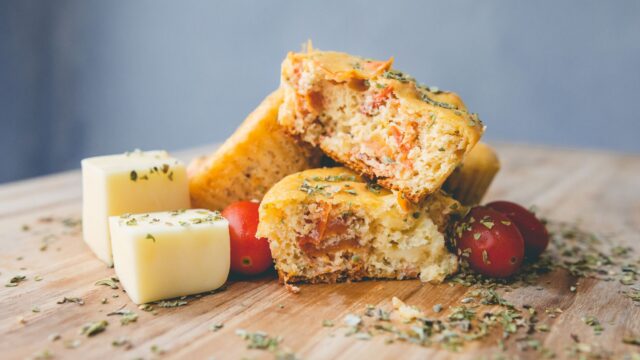
Savory muffins use the same muffin method with very little sugar and a lot of cheese. Here is a standard recipe and the limits that keep them tender, not greasy.
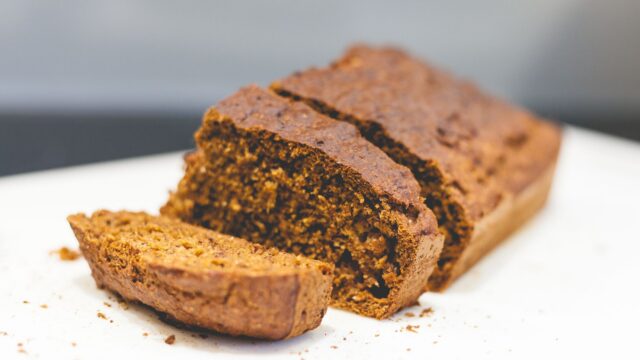
Very ripe bananas, a light hand with mixing and a thermometer reading of 200–205°F are what separate a tender loaf from a gummy one.
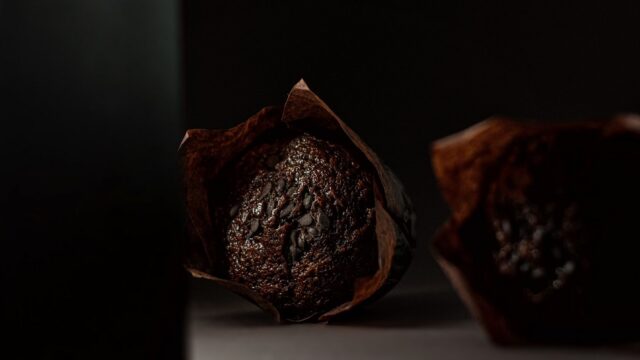
Cocoa is not just flavor: natural cocoa is acidic and Dutch-process is not, which changes how the muffins rise. Here is a standard recipe that works with either.
One cup of canned pumpkin, a warm spice blend and the quick muffin method give a tender, moist muffin. Here is the ratio, the method and what to do with the rest of the can.
Sweet and cakey or savory and crisp-edged? The difference comes down to sugar, flour, cornmeal and a very hot skillet.
One standard dough makes chewy oatmeal raisin or oatmeal chocolate chip cookies. The type of oats and the dough temperature decide how much they spread.
American scones are rich and sweet; British scones are lighter rounds for jam and cream. Both rise tall on the same principles: cold fat, minimal handling and a hot oven.
We use analytics cookies to see which articles are read. No ads cookies. Privacy policy