Chocolate Cupcakes With Oil and Cocoa: Why Hot Coffee or Water Makes Them Better
A thin, pourable batter of cocoa, oil and hot liquid bakes into a dark, soft cupcake that stays moist for days. Here is the standard ratio and the science behind it.
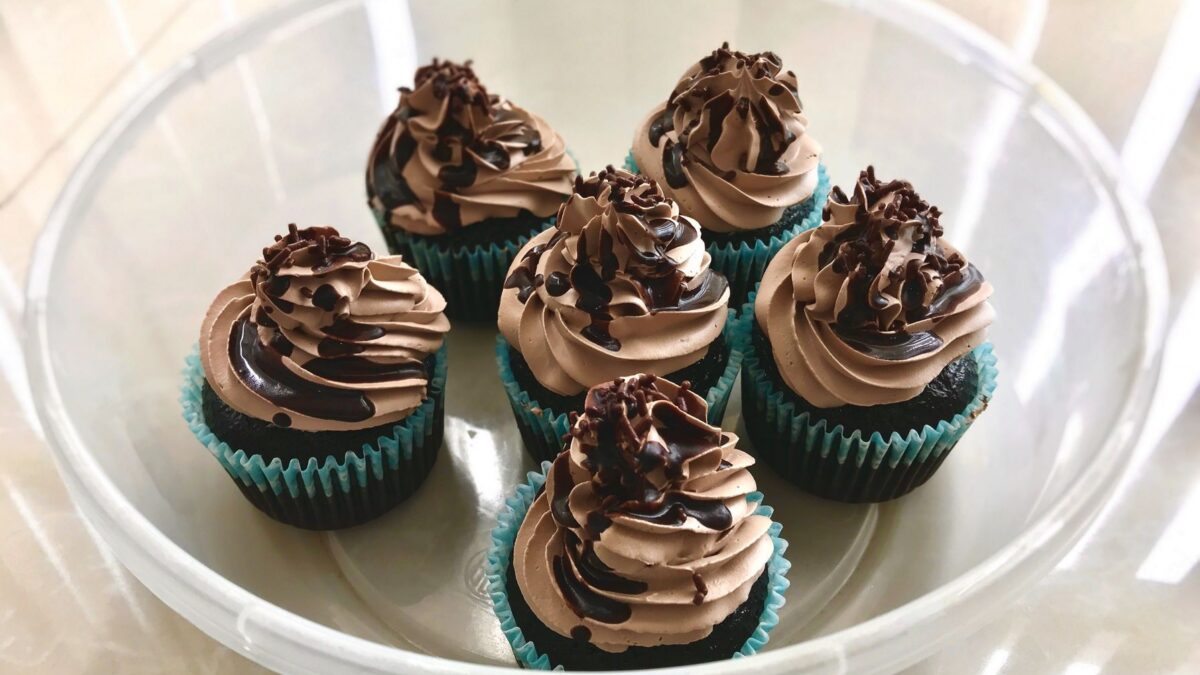
The most reliable chocolate cupcakes use cocoa powder, oil and a hot liquid such as coffee or water. Oil keeps the crumb soft even when chilled, and pouring hot liquid over the cocoa “blooms” it, dissolving the powder so the chocolate flavor is deeper and the cake tastes moister. The batter is very thin; fill liners about two-thirds full and bake at 350°F (180°C) for 18–22 minutes.
The recipe makes 12 standard cupcakes. Weights use King Arthur Baking’s ingredient weight chart: 120 g per cup of all-purpose flour and 42 g per half cup of unsweetened cocoa.
Ingredients (12 standard cupcakes)
- 1 cup (120 g) all-purpose flour
- 1/2 cup (42 g) natural unsweetened cocoa powder
- 3/4 cup (149 g) granulated sugar
- 1/4 cup (53 g) packed light brown sugar
- 1 teaspoon baking soda
- 1/2 teaspoon baking powder
- 1/2 teaspoon table salt
- 1 large egg, at room temperature
- 1/2 cup (113 g) buttermilk, at room temperature
- 1/4 cup (50 g) neutral vegetable oil
- 1 teaspoon vanilla extract
- 1/2 cup (113 g) hot brewed coffee or hot water
Method
- Heat the oven to 350°F (180°C; 160°C fan; gas mark 4). Line a 12-cup standard muffin pan with liners.
- In a large bowl, whisk the flour, cocoa, both sugars, baking soda, baking powder and salt. Break up any cocoa lumps.
- In a second bowl, whisk the egg, buttermilk, oil and vanilla.
- Whisk the wet mixture into the dry until smooth.
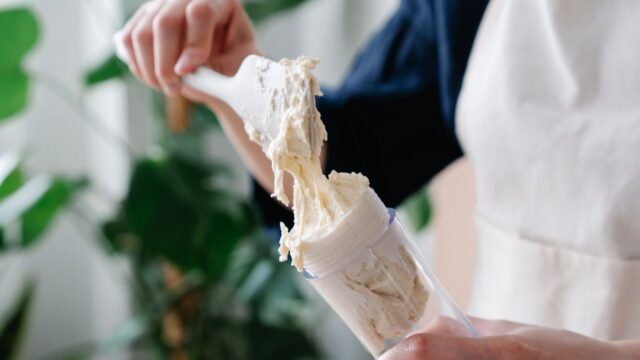
- Slowly whisk in the hot coffee or water. The batter will be thin and pourable; this is correct.
- Pour or ladle into the liners, filling each about two-thirds full. A measuring cup with a spout makes this clean.
- Bake 18–22 minutes, until the tops spring back when pressed and a toothpick in the center shows moist crumbs but no wet batter.
- Cool in the pan 5 minutes, then transfer to a rack and cool completely before frosting.
What “blooming” cocoa does
Cocoa powder is dry, starchy and full of fat-coated particles. When it is mixed into cool batter, some of the flavor stays locked in those particles. Hot liquid dissolves the cocoa more fully and releases its aromatic compounds, which is why many classic chocolate cake recipes add boiling water or hot coffee at the end. King Arthur Baking notes that cocoa is a drying ingredient and that pre-hydrating it, along with using oil, helps a cake taste moister.
Coffee or water? Coffee deepens the chocolate flavor; in this quantity most people do not taste it as coffee. Hot water works almost as well and keeps the cupcakes caffeine-light, which some parents prefer. Decaf coffee is an easy middle path.
Why oil instead of butter
Butter is about 80% fat and firms up as it cools; oil is 100% fat and stays liquid at room and fridge temperature. That gives oil-based chocolate cakes a softer, moister texture, and they stay tender even when refrigerated, which matters if you frost them with cream cheese frosting. Cocoa supplies the chocolate flavor that butter would otherwise add. The trade-offs are covered in oil vs butter.
Natural vs Dutch-process cocoa
| Cocoa | Character | Leavening | Use in this recipe |
|---|---|---|---|
| Natural (non-alkalized) | Lighter color, sharper, fruity chocolate flavor; acidic | Reacts with baking soda | As written |
| Dutch-process (alkalized) | Darker, smoother, mellower; less acidic | Does not activate soda on its own | Works because buttermilk and brown sugar supply acid; color will be darker |
| Black cocoa | Very dark, mild, can taste dry | Heavily alkalized | Replace no more than a quarter of the cocoa |
King Arthur Baking’s rule of thumb: if a recipe relies on baking soda and has no other acidic ingredient, use natural cocoa. This recipe contains buttermilk, so either type will rise. For more on how soda and powder differ, see baking powder vs baking soda.
Swaps
- No buttermilk: stir 1 1/2 teaspoons lemon juice or vinegar into 1/2 cup milk and wait 5 minutes.
- Dairy-free: use an unsweetened plant milk soured the same way; the rest of the recipe is already dairy-free if your chocolate add-ins are.
- Egg-free: 1/4 cup (60 g) unsweetened applesauce or a commercial replacer works reasonably in a thin cocoa batter; see egg substitutes.
- A layer cake: doubling the recipe fills two 8-inch round pans; bake about 28–35 minutes.
Frosting ideas
Chocolate buttercream (add 1/2 cup cocoa to a vanilla buttercream and a splash more milk), vanilla buttercream for contrast, or cream cheese frosting. Only frost once the cupcakes are completely cool.
Storing
Keep unfrosted cupcakes airtight at room temperature for a day or two, or freeze them wrapped. Cupcakes with cream cheese frosting are perishable: refrigerate them and do not leave them out longer than the USDA’s general 2-hour limit for perishable foods. Because of the oil, they stay soft straight from the fridge.
Troubleshooting
| Problem | Cause | Fix |
|---|---|---|
| Sunken middles | Underbaked; too full; extra leavening | Fill two-thirds; level spoons; bake to spring-back |
| Sticky, gummy tops | Covered while warm; humid storage | Cool fully uncovered before storing |
| Bitter or soapy taste | Too much baking soda | Measure soda level, not heaped |
| Dry | Overbaked; packed cocoa or flour | Spoon and level or weigh; start checking at 17 minutes |
| Liners peeling | Steam trapped in pan | Move to a rack after 5 minutes |
Food safety and allergens
Do not taste the batter; it contains raw flour and raw egg, which can carry E. coli or Salmonella until baked. These cupcakes contain wheat (gluten), eggs and milk. Coffee contains caffeine. Allergy-friendly versions need certified ingredients and care with cross-contact; people with allergies or celiac disease should follow their doctor’s or dietitian’s guidance.
Bottom line
Use oil for a soft crumb, add a hot liquid to bloom the cocoa, accept a thin batter and fill liners only two-thirds full. Natural or Dutch-process cocoa both work here because buttermilk supplies the acid.
FAQ
Why is the batter so runny?
The hot liquid makes it thin on purpose. The starch in the flour and cocoa sets it in the oven into a moist, tender crumb.
Can I use melted butter instead of oil?
Yes, at the same volume, for more flavor. The cupcakes will be slightly firmer, especially when chilled.
Will the cupcakes taste like coffee?
Generally not at this amount; it mostly amplifies the chocolate. Use hot water if you want none at all.
Can I add chocolate chips?
Mini chips sink less in thin batter. Sprinkle a few on top of each filled liner instead of stirring them in.