Simple American Buttercream: The Basic Ratio, Piping Consistency and a Dairy-Free Swap
Butter, powdered sugar, a splash of milk and vanilla make the easiest frosting there is. Getting it smooth and pipeable is all about ratio, temperature and beating time.
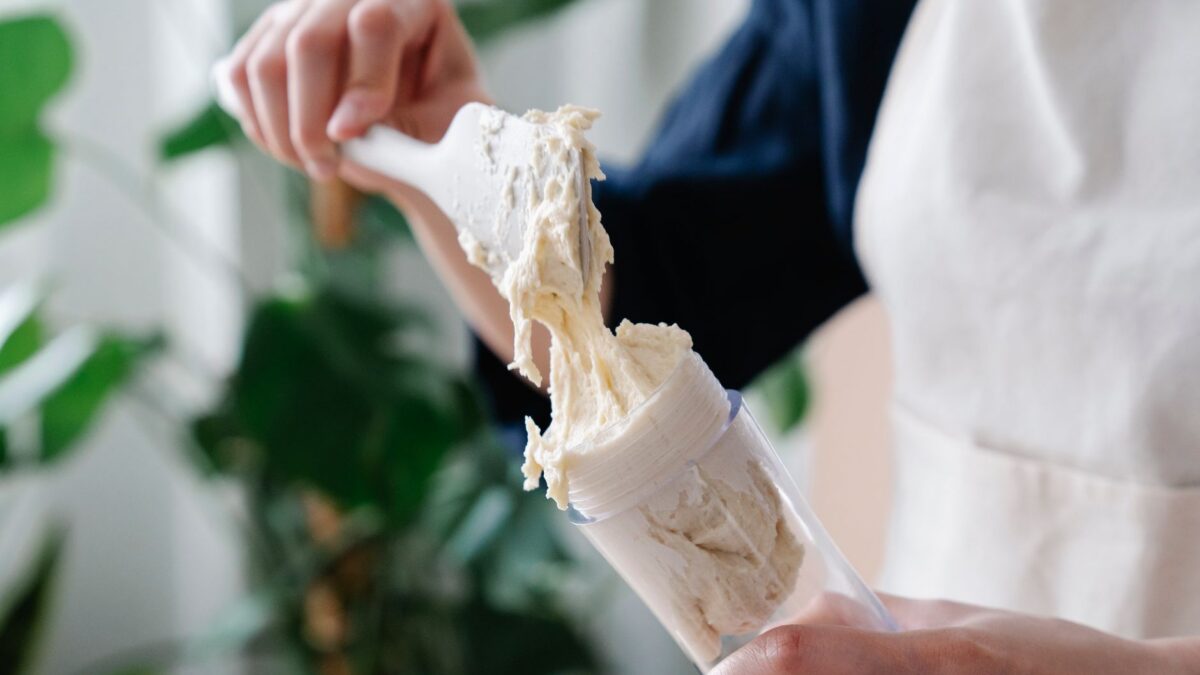
American buttercream is softened butter beaten with powdered (confectioners’) sugar, a little milk or cream, vanilla and a pinch of salt. The standard ratio is roughly 1 part butter to 3–4 parts powdered sugar by volume: 1 cup (227 g) butter with 3–4 cups (340–454 g) sugar and 2–4 tablespoons liquid. Less sugar gives a softer, more spreadable frosting; more sugar and less liquid gives a stiffer one that holds piped shapes.
Weights follow King Arthur Baking’s ingredient weight chart: 113 g per stick of butter and 113 g per cup of unsifted confectioners’ sugar.
Ingredients (about 3 1/2 cups; a generous swirl for 12 cupcakes)
- 1 cup (2 sticks, 227 g) unsalted butter, softened to about 65–68°F (18–20°C)
- 3 1/2 cups (about 400 g) confectioners’ sugar, sifted if lumpy
- 2–3 tablespoons whole milk or heavy cream
- 2 teaspoons vanilla extract
- 1/8 teaspoon table salt
Method
- Beat the butter alone with a mixer on medium-high for 2–3 minutes, until smooth, pale and creamy.
- Turn the mixer to low and add the sugar about a cup at a time, mixing until each addition is absorbed. Starting slowly keeps the sugar from clouding the kitchen.
- Add the vanilla, salt and 2 tablespoons milk. Beat on medium-high for 2–3 minutes, until light and fluffy.
- Check the texture. Add more milk a teaspoon at a time to soften it, or more sugar a few tablespoons at a time to stiffen it.
- For the smoothest finish, beat on low for a final minute or stir by hand with a spatula to push out large air bubbles.
Adjusting consistency for the job
| Use | Consistency | Starting point per 1 cup (227 g) butter |
|---|---|---|
| Spreading on a sheet cake | Soft, swoops easily | 3 cups (340 g) sugar + 3–4 tbsp liquid |
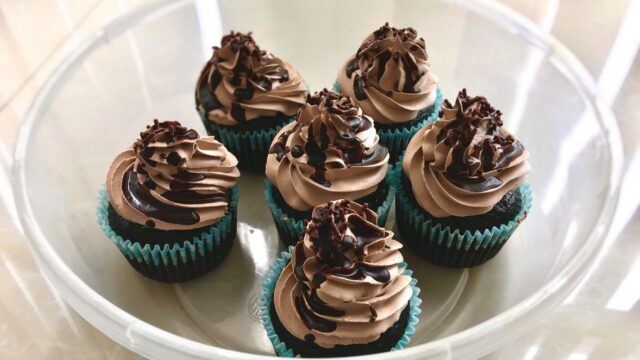
| Piping swirls and rosettes on cupcakes | Medium; holds ridges, still smooth | 3 1/2–4 cups (400–454 g) sugar + 2–3 tbsp liquid |
| Crumb coat and smooth sides of a layer cake | Medium-soft | 3 1/2 cups (400 g) sugar + 3 tbsp liquid |
| Stiff details, borders, piped flowers | Stiff; peaks stand straight | 4 cups (454 g) or more sugar + 1–2 tbsp liquid |
A quick test: drag a spoon through the frosting. For piping, the groove should hold its shape without the edges slumping, and the frosting should not crack or tear when you squeeze it through a bag.
Temperature is the hidden variable
Butter is the structure of buttercream, so its temperature decides everything.
- Too cold: the frosting looks lumpy or curdled and will not blend. Keep beating; the friction warms it. Or warm the outside of the bowl briefly with a warm towel.
- Too warm: the frosting turns greasy, shiny and soupy, and piped shapes melt. Chill the bowl for 10–15 minutes, then beat again.
- Warm hands: a full piping bag warms quickly. Fill it only halfway and swap bags if you are decorating many cupcakes.
For quick ways to bring butter to the right temperature, see room-temperature ingredients.
Why it is so sweet, and how to tone it down
In American buttercream, sugar is not only a sweetener; it is the bulk that makes the frosting thick enough to pipe. Cutting the sugar sharply makes it too soft to hold shapes. To balance the sweetness without losing body:
- keep the salt; it noticeably rounds the flavor;
- use heavy cream rather than milk for a richer taste;
- add flavor with citrus zest, a little lemon juice, espresso powder or melted, cooled chocolate;
- beat longer, which incorporates air and makes it taste lighter.
More on how sugar behaves in baking is in what sugar does.
Flavor variations
- Chocolate: beat in 1/2 cup (42 g) cocoa with the sugar and add 1–2 tablespoons extra milk.
- Lemon: replace the milk with lemon juice and add the zest of 1 lemon.
- Brown butter: brown the butter, chill until solid but soft, then proceed.
- Coffee: dissolve 1–2 teaspoons instant espresso in the milk.
Dairy-free buttercream
Replace the butter with the same weight of vegan butter sold in firm sticks or blocks and the milk with unsweetened plant milk. Tub-style spreads contain more water and usually make a soft, slippery frosting that will not pipe well. Vegan butters vary in salt and softness, so taste before adding extra salt, and chill the frosting briefly if it softens. A small amount of solid vegetable shortening, swapped for part of the vegan butter, adds stability in warm rooms. Read labels: some margarines contain milk ingredients such as whey or casein, and plant milks may contain tree nuts or soy.
Storage and food safety
Classic buttercream has no eggs, so there is no raw-egg concern. Cover leftovers tightly and refrigerate, or freeze them; bring to room temperature and re-beat before using. Frostings made with cream cheese or whipped cream are more perishable: keep those cakes refrigerated and follow the USDA’s general guidance not to leave perishable foods at room temperature for more than 2 hours. Allergens: this recipe contains milk; the dairy-free version may contain soy or tree nuts depending on the brand. People with allergies should follow their doctor’s advice and check every label.
Bottom line
Start with 1 cup soft butter, 3 1/2 cups powdered sugar and 2 tablespoons milk, beat well, then adjust with sugar for stiffness or milk for softness. Keep the butter around cool room temperature, and the frosting will be smooth and pipeable.
FAQ
Why is my buttercream grainy?
Unsifted, lumpy sugar or too little beating. Sift the sugar and beat a few minutes longer; a teaspoon of extra liquid helps dissolve it.
How do I make it whiter?
Beat the butter longer before adding sugar, use clear vanilla, and some decorators add a tiny touch of violet coloring to offset the yellow.
Can I make it ahead?
Yes. Refrigerate covered, then let it soften at room temperature and re-whip until smooth.
Why did my frosting split?
Usually ingredients at different temperatures, such as cold milk into warm butter. Keep beating, or warm or chill the bowl slightly until it comes together.