What Sugar Does in Baking (Besides Sweetness) and How to Cut It Safely
Cutting sugar changes far more than sweetness. Here is what sugar does to moisture, browning, spread and shelf life, and how to reduce it without ruining the texture.
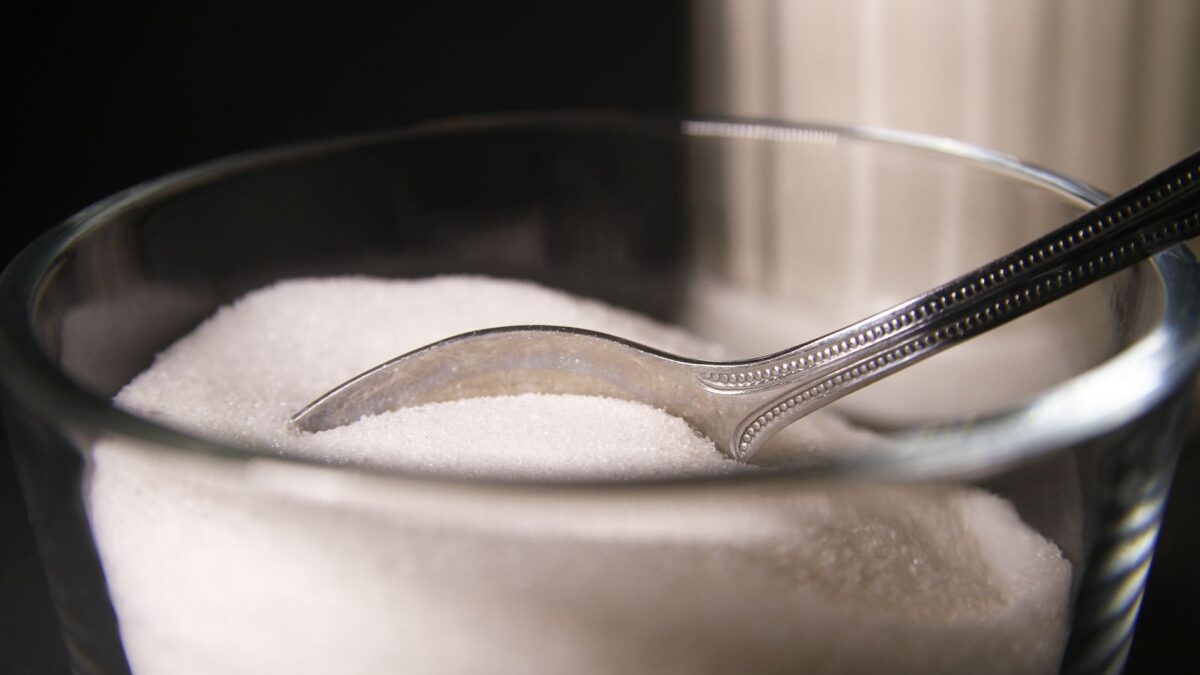
In baking, sugar does much more than sweeten. It holds moisture, keeps crumbs tender by slowing gluten and starch from setting, drives browning through caramelization and the Maillard reaction, helps aerate butter during creaming, controls how much cookies spread, and helps baked goods stay fresh longer. You can usually reduce sugar a little in muffins and quick breads, but large cuts make bakes drier, paler, tougher and quicker to stale.
Sugar’s jobs in a recipe
| Function | What sugar does | What happens with less sugar |
|---|---|---|
| Moisture | Attracts and holds water (it is hygroscopic) | Drier crumb that stales faster |
| Tenderness | Competes with flour proteins and starch for water, slowing gluten and setting | Tougher, chewier or bready texture |
| Browning | Caramelizes and takes part in Maillard browning | Paler crust, less toasty flavor |
| Aeration | Sugar crystals cut air pockets into butter during creaming | Less lift in creamed cakes and cookies |
| Spread | Melts in the oven and makes cookie dough flow | Cookies stay thick, puffy and cakey |
| Structure in eggs | Stabilizes beaten egg whites and whole-egg foams | Meringues and sponges collapse or weep |
| Shelf life | Binds water, slowing staling and mold growth | Shorter fresh window; store or freeze sooner |
| Yeast food | Feeds yeast in sweet doughs (in small amounts) | Slower rise in enriched breads |
The main functions in more detail
Moisture and tenderness
Sugar dissolves into the liquid in a batter and holds it. That water is less available to flour proteins, so less gluten forms, and less available to starch, so the crumb sets later and stays soft. This is why low-sugar muffins can feel tough and dry even when the measuring was accurate, and why sugar is one of the levers in dry cakes.
Browning and flavor
On the surface of a bake, sugar breaks down with heat into caramel flavors and helps proteins brown. Brown sugar, honey and maple syrup brown faster than white sugar. With less sugar, crusts are paler and flavor flatter, so a bake can look underdone when it is ready; rely on a toothpick or thermometer, not color alone.
Aeration
In the creaming method, the sharp edges of granulated sugar crystals drive air into softened butter. Those tiny bubbles are where leavening gas collects. Reducing sugar in a creamed cake means less air and a lower, denser rise.
Spread in cookies
Sugar liquefies as cookies bake, which helps them spread. White sugar promotes spread and crispness; brown sugar keeps cookies softer. Cutting sugar sharply gives thick, pale, cakey cookies. The full picture is in why cookies spread.
White, brown and liquid sugars compared
| Sugar | 1 cup weight (King Arthur chart) | Effect in baking |
|---|---|---|
| Granulated (white) | 198 g | Neutral flavor, crisp edges, good creaming |
| Brown, packed (light or dark) | 213 g | Moister, chewier, caramel notes; slightly acidic, so it reacts with baking soda |
| Confectioners’ (unsifted) | 113 g | Fine texture in frostings and shortbread; contains starch |
| Honey | 21 g per tablespoon | Adds liquid, browns fast, slightly acidic |
Weights follow the King Arthur Baking ingredient weight chart. Swapping a liquid sweetener for granulated sugar means changing the liquid and often the leavening too; the sugar substitutes guide covers how.
How to cut sugar without ruining a recipe
- Pick the right bake. Muffins, quick breads, fruit crisps and pie fillings tolerate reductions best, because much of their sugar is there for sweetness. Creamed butter cakes, meringues, sponges and crisp cookies depend on sugar for structure and texture and are the hardest to change.
- Start small. Reduce in modest steps and judge texture and flavor before going further.
- Add sweetness another way. Very ripe bananas, grated apple, dried fruit, warm spices, vanilla and citrus zest make bakes taste sweeter without more sugar.
- Protect moisture. Yogurt, a little extra fruit puree or oil can offset some of the dryness from less sugar. See healthy muffin swaps for limits of each change.
- Expect paler color. Check doneness by toothpick, spring-back or internal temperature, not browning.
- Plan to store or freeze sooner. Lower-sugar bakes stale and mold faster.
Change one variable at a time, so you know which change caused which result.
Where sugar should not be cut casually
- Meringues and angel food cake: sugar stabilizes the egg-white foam.
- Caramel, candy and syrups: the recipe depends on sugar concentration.
- Jams and preserves: sugar affects set and keeping quality; use recipes designed for reduced sugar from tested sources such as the USDA or university extension services.
- Yeast breads: large changes to sugar alter fermentation timing.
A note on health
Reducing sugar at home is a matter of taste and texture. If you are baking for someone with diabetes or another medical condition, follow the advice of their doctor or dietitian, and remember that flour and other carbohydrates matter too.
Bottom line
Sugar moistens, tenderizes, browns, aerates, controls spread and extends shelf life. Muffins and quick breads handle modest cuts well, especially when you add fruit, spice or yogurt for flavor and moisture. Leave sugar alone in meringues, sponges, candy and preserves, and expect any lower-sugar bake to look paler and stale sooner.
FAQ
Why are my low-sugar muffins tough?
Less sugar means more water is available to form gluten. Mix gently and consider adding yogurt or fruit puree for tenderness.
Can I replace sugar with honey one for one?
Not directly. Honey is sweeter, adds liquid and browns faster. Recipes usually reduce the amount and the other liquids, and lower the oven slightly.
Does brown sugar make baked goods healthier?
Brown sugar is white sugar with molasses. It changes flavor and moisture, not the overall amount of sugar in a meaningful way.
Why do reduced-sugar bakes go stale so quickly?
Sugar binds water and slows staling. With less of it, the crumb dries and firms faster, so wrap well and freeze what you will not eat within a day or two.