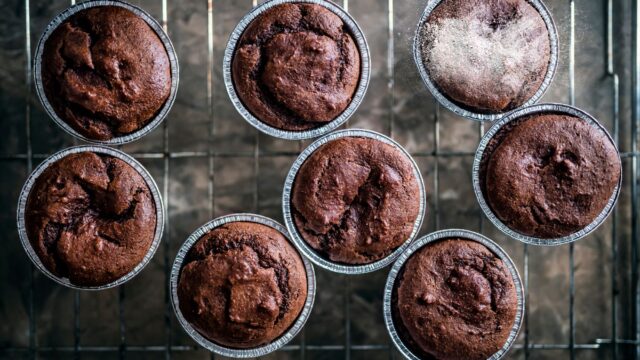
Healthier Muffin Swaps That Still Work: Whole Wheat, Less Sugar, Yogurt and Oats
Each lighter swap changes texture in a predictable way. Here is how far you can push whole grains, less sugar, yogurt and oats before muffins suffer.
You can make muffins lighter and more filling with a few reliable swaps: replace up to half the all-purpose flour with whole wheat, cut the sugar by about a quarter, use plain yogurt or applesauce for part of the fat, and add oats, fruit or grated vegetables. Make one or two changes at a time. Push every swap at once and you usually get dense, gummy, bland muffins.
Each ingredient in a muffin has a job beyond flavor. Knowing those jobs tells you how far each swap can go.
Swaps and their limits at a glance
| Swap | Safe starting point | Push it too far and… | Helpful fix |
|---|---|---|---|
| Whole wheat flour for all-purpose | Replace 1/4 to 1/2 of the flour | Heavy, dry, coarse crumb | Add 1 to 2 tbsp extra liquid; rest batter 15 to 20 minutes |
| Less sugar | Cut by about 1/4 | Pale, dry, tougher muffins that stale fast | Add ripe fruit or a little honey; bake slightly less |
| Plain yogurt for some fat | Replace up to half the oil or melted butter | Rubbery, gummy texture | Keep some fat; use full-fat or Greek yogurt |
| Applesauce for some fat | Replace up to half the oil | Dense, wet, gummy | Unsweetened applesauce; reduce bake temperature slightly if browning fast |
| Rolled oats for some flour | Replace about 1/4 of the flour, or add soaked oats | Crumbly, chewy, falls apart | Soak oats in the milk 15 to 30 minutes |
| Fruit and vegetables | 1 to 1 1/2 cups per 12 muffins | Soggy, sunken centers | Squeeze grated zucchini; drain thawed fruit |
Whole wheat flour
Whole wheat flour contains the bran and germ, which add fiber, flavor and color. The bran also absorbs more liquid and cuts through gluten strands, so all-whole-wheat muffins can turn heavy. Start by replacing a quarter to half of the all-purpose flour.
Weight matters here. King Arthur’s ingredient weight chart lists all-purpose flour at 120 g per cup and whole wheat at 113 g per cup. If you weigh, swap gram for gram; if you use cups, spoon and level both.
- White whole wheat flour is milled from a lighter-colored wheat. It has a milder flavor, which makes it easier to use at higher percentages.
- Rest the batter for 15 to 20 minutes before baking so the bran softens. This often makes whole-grain muffins more tender.
- Add a splash more liquid, 1 to 2 tablespoons per cup of whole wheat, if the batter looks stiff.
Less sugar
Sugar sweetens, but it also holds moisture, tenderizes by slowing gluten and egg proteins, and helps browning. Cutting it by about a quarter usually works in muffins, especially fruity ones. Cutting more makes muffins drier and paler and shortens their shelf life. Details are in what sugar does in baking.
- Use very ripe bananas, grated apple or dried fruit to add sweetness.
- Add spices and vanilla to boost flavor without sugar.
- A sprinkle of coarse sugar on top gives a sweet first bite with little total sugar.
- Liquid sweeteners like honey and maple syrup are still sugars; they also add liquid and brown faster.
Yogurt, applesauce and less fat
Fat coats flour proteins and keeps the crumb soft. Removing all of it is the fastest way to rubbery muffins. Replacing part works well.
- Plain yogurt, including Greek yogurt, adds moisture and tang. Its acid also reacts with baking soda. Swap up to half the oil or butter.
- Unsweetened applesauce keeps muffins moist but can make them dense. Swap up to half the oil; King Arthur lists applesauce at 255 g per cup.
- Mashed banana also replaces some fat and sugar.
Oil generally keeps muffins moister than butter, so if you only have a little fat left, oil helps. Compare them in oil vs butter in muffins, and see ratios in butter substitutes for baking.
Oats, seeds and nuts
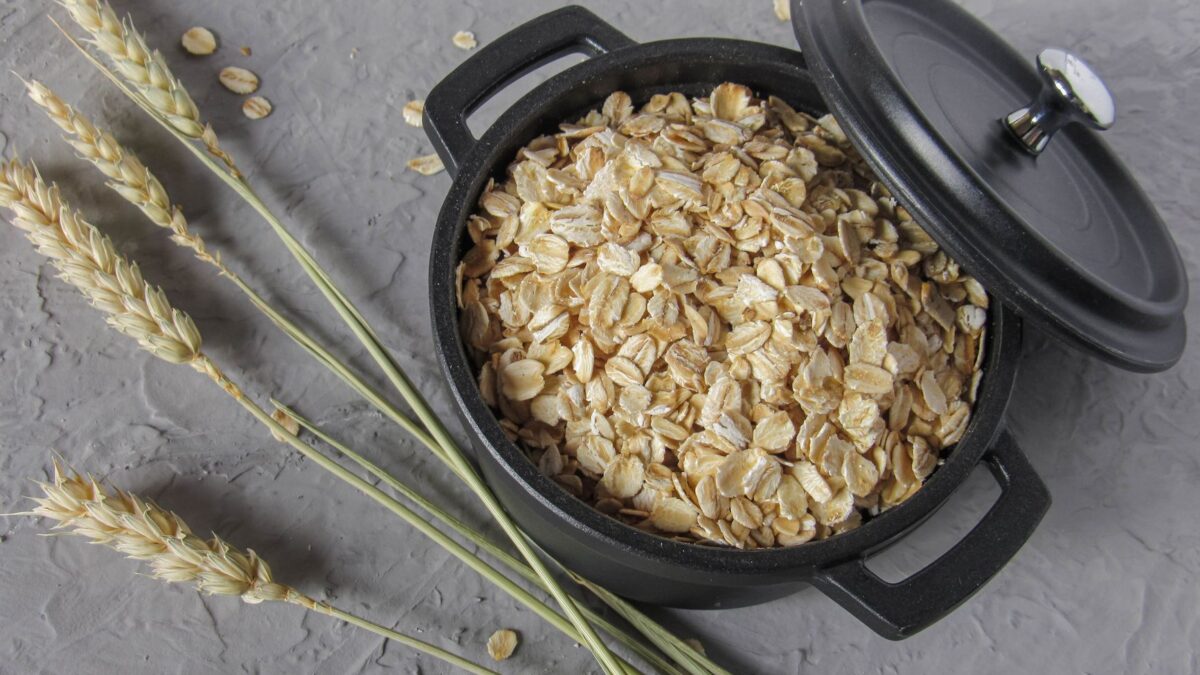
Rolled oats add texture and fiber. Replace about a quarter of the flour, or add soaked oats on top of the flour. Soaking them in the recipe’s milk or buttermilk for 15 to 30 minutes stops them from pulling moisture out of the crumb. Ground flaxseed and chia seeds add fiber but absorb liquid, so add a little extra milk. Nuts add healthy fats and crunch; skip them for nut-free settings like school lunches.
A sensible lighter muffin plan
- Start with a recipe you like.
- Replace a third of the flour with whole wheat or white whole wheat.
- Cut sugar by a quarter and add a cup of fruit.
- Replace half the oil with plain yogurt.
- Rest the batter 15 minutes, then bake as directed, checking a few minutes early.
- Note what you changed; adjust one thing next time.
A note on health
These swaps change fiber, sugar and fat, but muffins remain a baked treat. If you are managing diabetes, heart health or allergies, follow advice from your doctor or a registered dietitian. Common allergens in muffins include wheat, eggs, milk, tree nuts and soy.
Bottom line
Lighter muffins work best with moderate swaps: up to half whole wheat flour, about a quarter less sugar, and yogurt or applesauce for half the fat. Change one or two things at a time, rest whole-grain batters, and keep some fat and sugar for tenderness.
FAQ
Can I make muffins with 100% whole wheat flour?
Yes, but expect a denser, nuttier result. White whole wheat flour and a 15- to 20-minute batter rest help.
Can I replace all the oil with applesauce?
You can, but muffins often turn gummy and dense. Replacing half is more reliable.
Why are my low-sugar muffins dry?
Sugar holds moisture. Add fruit, keep some sugar and avoid overbaking.
Does Greek yogurt work instead of regular yogurt?
Yes. It is thicker, so thin it with a little milk if the batter seems stiff.