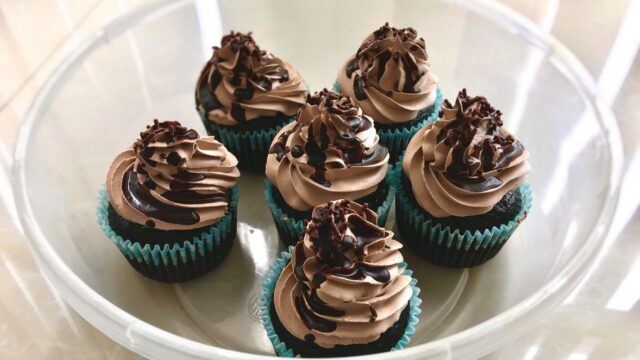
Chocolate Cupcakes With Oil and Cocoa: Why Hot Coffee or Water Makes Them Better
A thin, pourable batter of cocoa, oil and hot liquid bakes into a dark, soft cupcake that stays moist for days. Here is the standard ratio and the science behind it.
Layer cakes, sheet cakes, loaf cakes and cupcakes, plus frosting basics, pan sizes and why cakes dome, crack or collapse.
A thin, pourable batter of cocoa, oil and hot liquid bakes into a dark, soft cupcake that stays moist for days. Here is the standard ratio and the science behind it.
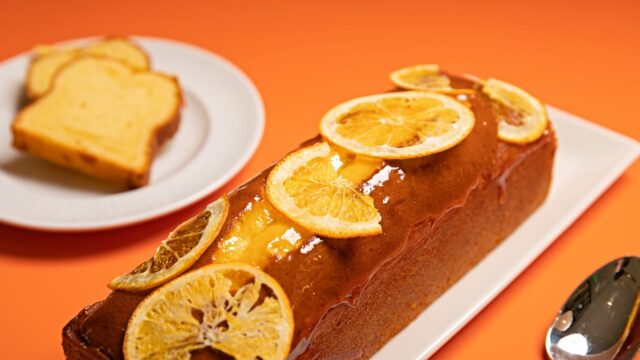
A peaked, split top on a layer cake is a heat problem you can fix. On a pound cake or loaf, the same crack is a sign the bake went right.
A few extra minutes in the oven or an extra half cup of scooped flour is enough to turn a tender cake dry. Here is how to pinpoint the cause and what to do with the cake you already baked.
A dip in the middle almost always means the center had not set when the cake cooled. Find the cause in the table below, then use the doneness checks so it does not happen again.
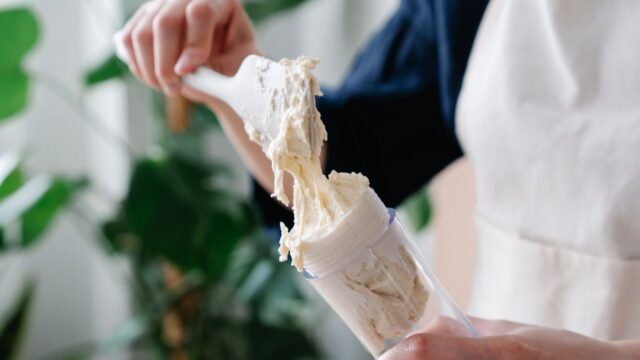
Butter, powdered sugar, a splash of milk and vanilla make the easiest frosting there is. Getting it smooth and pipeable is all about ratio, temperature and beating time.
Twelve classic vanilla cupcakes from a standard butter-cake ratio, plus the details that decide the result: room-temperature ingredients, a two-thirds fill and prompt cooling.
Start with a standard vanilla cupcake and change only a few ingredients to get peppermint, eggnog spice or gingerbread cupcakes for the holidays.
We use analytics cookies to see which articles are read. No ads cookies. Privacy policy