What Does Gluten Do in Baking? Flour Protein, Mixing and Tender vs Chewy
Gluten is why bread is chewy and why overmixed muffins turn tough. Knowing how flour type, water and mixing build it lets you choose the right flour and the right stir.
Gluten is why bread is chewy and why overmixed muffins turn tough. Knowing how flour type, water and mixing build it lets you choose the right flour and the right stir.
Both release carbon dioxide to lift your batter, but only one carries its own acid. Knowing which is which explains flat muffins, metallic aftertastes and recipes that call for both.
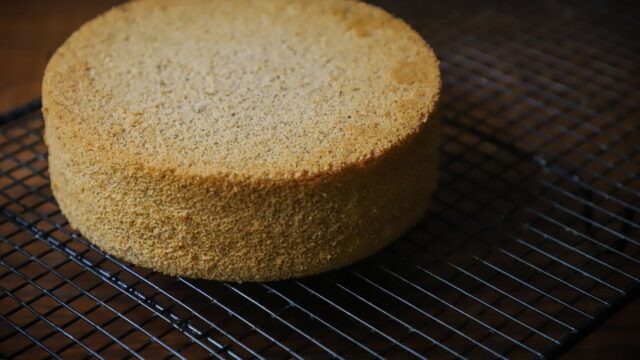
A peaked, split top on a layer cake is a heat problem you can fix. On a pound cake or loaf, the same crack is a sign the bake went right.
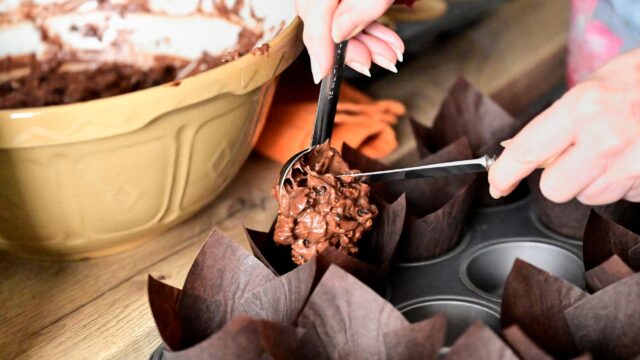
A sunken muffin is almost always a structure problem: the center collapsed before it set. Find your cause in the table, then fix it on the next batch.
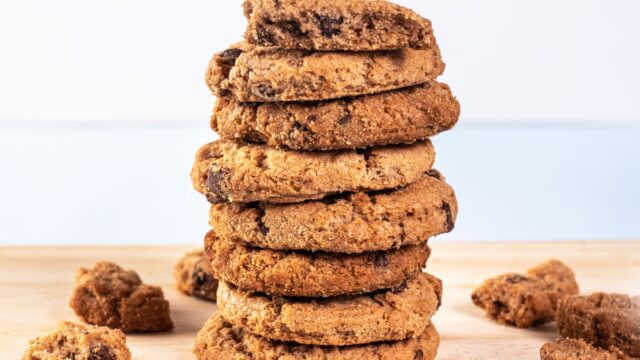
Thin, greasy cookies that run together on the sheet are almost always a fat-temperature or measuring problem. A short chill and a cool pan fix most batches.
You do not need a new recipe to change cookie texture. Sugar type, butter state, flour, eggs and bake time each push a cookie toward chewy, cakey or crisp.
A dip in the middle almost always means the center had not set when the cake cooled. Find the cause in the table below, then use the doneness checks so it does not happen again.
Two mixing methods shape most muffins and cakes. Knowing which one a recipe uses, and why, explains texture problems before they happen.
Bakery-style domes are not a secret ingredient. They come from batter thickness, how full you fill the cups and how the first minutes of baking go.
Cold eggs can make creamed butter seize and curdle, and cold milk can firm up melted butter into streaks. A few minutes of warming solves both.
We use analytics cookies to see which articles are read. No ads cookies. Privacy policy