Banana Muffins: How Ripe the Bananas Should Be, Oil vs. Butter and the Best Add-Ins
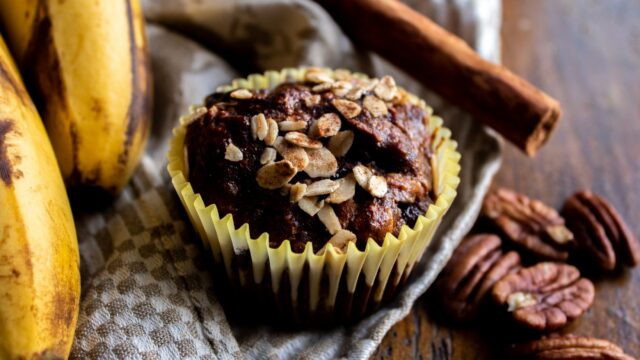
Heavily speckled bananas do most of the work here. This standard recipe explains how ripe they should be, when to choose oil or butter and how much to add in.
Heavily speckled bananas do most of the work here. This standard recipe explains how ripe they should be, when to choose oil or butter and how much to add in.
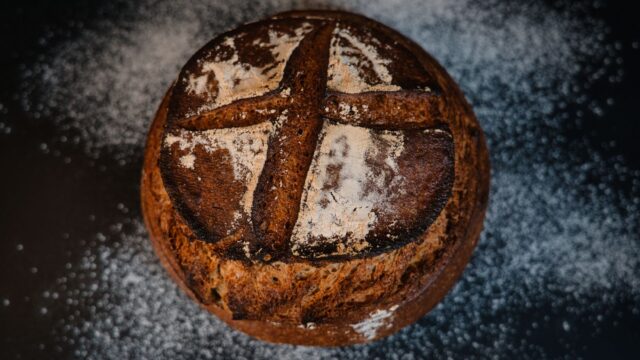
Soda bread rises from a chemical reaction rather than yeast, so it goes from bowl to oven in about ten minutes. The trick is a soft dough and a light touch.
Wheat bran is thirsty and coarse. Soaking it in buttermilk first is the step that separates moist, tender bran muffins from dry, crumbly ones.
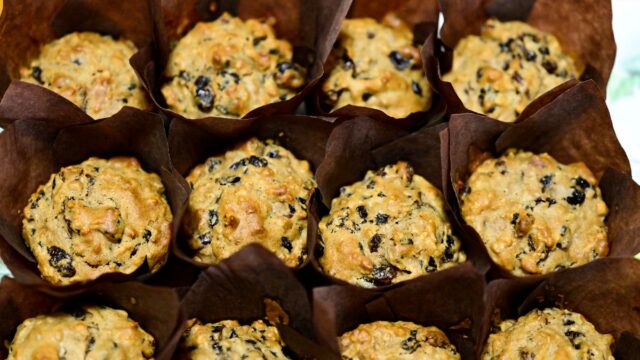
Oats bring chew and heartiness, but dry oats can make muffins coarse. Soaking them first and choosing the right type of oat makes the difference.
Cornmeal has no gluten, so corn muffins lean on flour, fat and moisture to hold together. Here is the standard ratio, how grind affects texture and how to keep them from falling apart.
Cranberries are very tart, so these muffins need a little more sugar than a plain batter, plus orange zest for real citrus flavor. Frozen berries work straight from the bag.
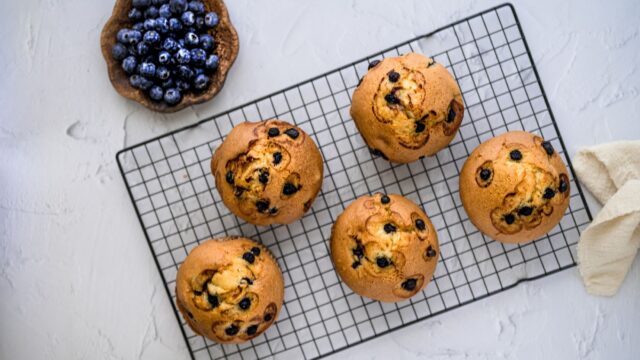
A thick, lightly sweet batter, a hot oven and a sprinkle of coarse sugar are all it takes. Here is the standard formula, why it works and how to handle frozen berries.
Learn one batter and you can make dozens of muffins. Here is a standard master recipe, what each ingredient does and how much fruit, chips, nuts or spice it can carry.
Zucchini is mostly water, so how you handle it decides whether the loaf is tender or soggy. Here is a standard recipe and the reasoning behind each step.
The classic creamed-butter cookie dough is endlessly adjustable. Chill time, sugar balance and bake time are the three levers that move it from chewy to crisp.
We use analytics cookies to see which articles are read. No ads cookies. Privacy policy