How to Freeze Muffins and Quick Breads (and Thaw Them So They Taste Fresh)
Muffins freeze better than almost any other bake. The two things that matter are cooling them fully first and keeping air away from them in the freezer.
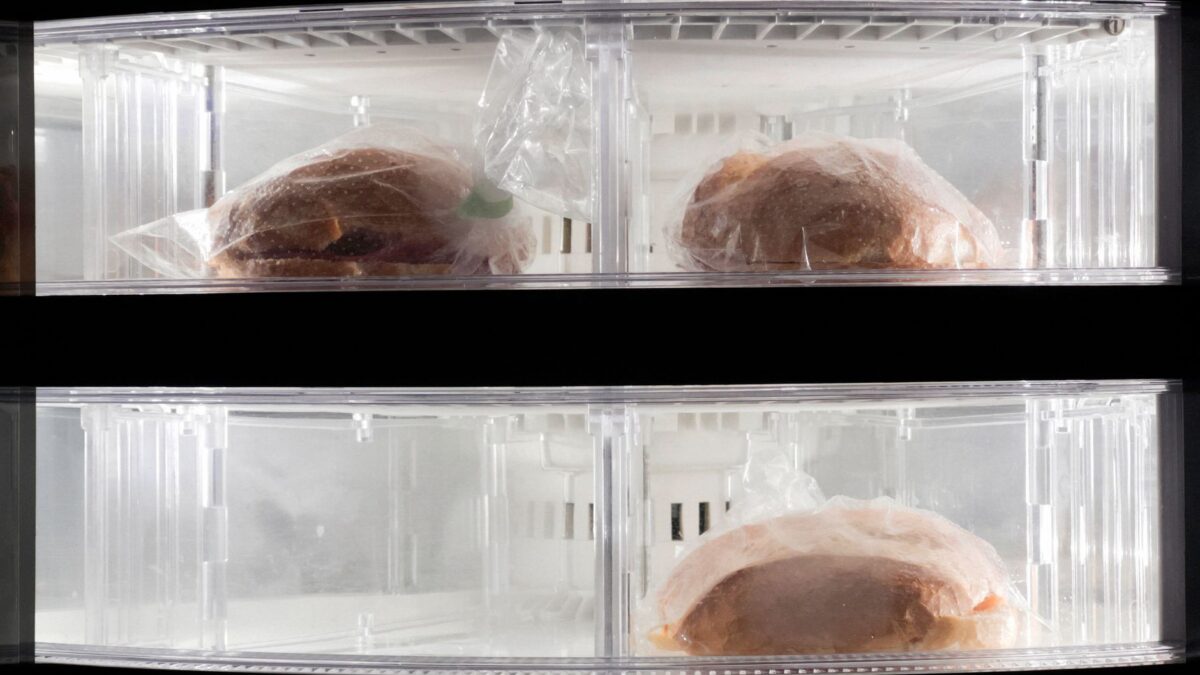
To freeze muffins, let them cool completely, wrap them airtight (individually, or in a freezer bag with the air pressed out), label the date and freeze. Extension services such as NC State and University of Illinois Extension suggest using frozen muffins and quick breads within about 2–3 months for best quality. Thaw them at room temperature still wrapped, or warm them briefly in the oven or microwave.
The USDA’s guide to freezing and food safety notes that food kept constantly at 0°F (−18°C) stays safe indefinitely; only quality declines over time. In practice, that means dryness, freezer burn and freezer odors, not safety, set the limit.
Step by step: freezing muffins
- Cool completely. Move muffins from the pan to a rack after about 5 minutes and let them cool fully, usually about an hour. Warm muffins trap steam, which turns into ice crystals and soggy spots. Leaving them in the pan also causes soggy bottoms.
- Choose a wrapping method. For grab-and-go use, wrap each muffin in plastic wrap or foil, then put them in a freezer bag. For speed, freeze muffins in a single layer on a tray for 1–2 hours until firm, then bag them together; they will not stick to each other.
- Remove air. Press out as much air as possible before sealing. Air contact is what causes freezer burn.
- Label and date. Write the type and date on the bag.
- Freeze flat where the bag will not be crushed by heavier items.
Freezing quick bread loaves
- Whole loaf: cool completely, wrap tightly in plastic wrap, then in foil or a freezer bag. Best when you plan to serve it all at once.
- Sliced: slice the cooled loaf, place squares of parchment between slices and wrap as above. You can then pull out one slice at a time.
- Glazed loaves: freeze unglazed and add the glaze after thawing; sugar glazes can weep and turn sticky after thawing.
Banana, pumpkin and zucchini breads freeze especially well because their moisture keeps them tender. For a classic loaf to freeze, see our banana bread recipe.
What freezes well and what does not
| Item | Freezes well? | Tips |
|---|---|---|
| Plain, fruit and chocolate chip muffins | Yes | Wrap individually or tray-freeze then bag |
| Streusel-topped muffins | Yes, topping softens a little | Reheat in the oven to re-crisp |
| Sugar-crusted tops | Yes | Sugar may dissolve slightly; thaw uncovered after unwrapping |
| Glazed or iced muffins | Better without glaze | Glaze after thawing |
| Cream cheese-filled muffins | Yes, with care | Keep frozen until use; thaw in the refrigerator |
| Savory cheese, ham or vegetable muffins | Yes | Thaw in the refrigerator; treat as perishable once thawed |
| Quick bread loaves | Yes | Freeze whole or sliced with parchment between slices |
Freezing pauses bacteria, yeasts and molds but does not kill them; they can become active again once thawed. Muffins with perishable fillings or meat should be thawed in the refrigerator and handled like other perishable food.
How to thaw and reheat
At room temperature
Leave the muffin or slice in its wrapping on the counter for about 1–2 hours (a whole loaf can take several hours). Thawing wrapped means condensation forms on the wrap, not on the muffin. This works for plain, fruit and chocolate muffins and sweet quick breads.
Overnight
Take a muffin out of the freezer before bed and it will be ready for breakfast. This is the easy option for lunchbox muffins: pack one frozen in the morning and it will usually be thawed by lunch.
In the microwave
Unwrap, set on a paper towel and heat in short bursts of about 15–30 seconds, checking between each. Overheating makes muffins tough and chewy as they cool. Avoid microwaving foil.
In the oven
For a just-baked texture, warm thawed or frozen muffins at about 300–350°F (150–180°C) for roughly 5–15 minutes, depending on size and whether they are frozen. Wrapping them loosely in foil keeps them from drying out; unwrap for the last few minutes if you want a crisper top.
Can you freeze muffin batter?
Some bakers portion batter into lined muffin cups, freeze until solid, then bag the frozen pucks and bake them later, adding a few minutes to the bake. Results vary with the leavener: batters made with double-acting baking powder tend to hold up better than those relying only on baking soda. Freezing baked muffins is more reliable and nearly as convenient.
Signs a frozen muffin is past its best
- Freezer burn: dry, pale or leathery patches where air reached the surface. Safe to eat, but dry; trim it off or use the muffin in a bread pudding.
- Ice crystals inside the bag: moisture has moved out of the muffin, which will be drier.
- Freezer odors: wrap more tightly next time, or use a rigid container.
If a muffin shows mold after thawing, discard it; see how long muffins last for storage and mold guidance.
Bottom line
Cool fully, wrap airtight, date the bag and use within about 2–3 months for best quality. Thaw in the wrapping on the counter, or warm in a low oven or with short microwave bursts. Freeze glazes off and add them later.
FAQ
How long can I freeze muffins?
For best quality, about 2–3 months. They stay safe longer at a steady 0°F (−18°C), but texture and flavor decline.
Should I freeze muffins in liners?
Yes, paper liners can stay on. They help protect the sides from drying.
Can I refreeze thawed muffins?
Plain baked muffins thawed at room temperature can be refrozen, but each freeze-thaw cycle makes them drier. Freeze in small portions to avoid it.
What is the best way to reheat a frozen muffin?
Wrap it loosely in foil and warm it at about 300–350°F (150–180°C) until heated through, or microwave it in short bursts.