Measuring Cups and Spoons: Dry vs Liquid, US vs Metric, and How to Measure Accurately
Most measuring mistakes come from using the wrong cup or the wrong technique. Here is how to get volume measurements right.
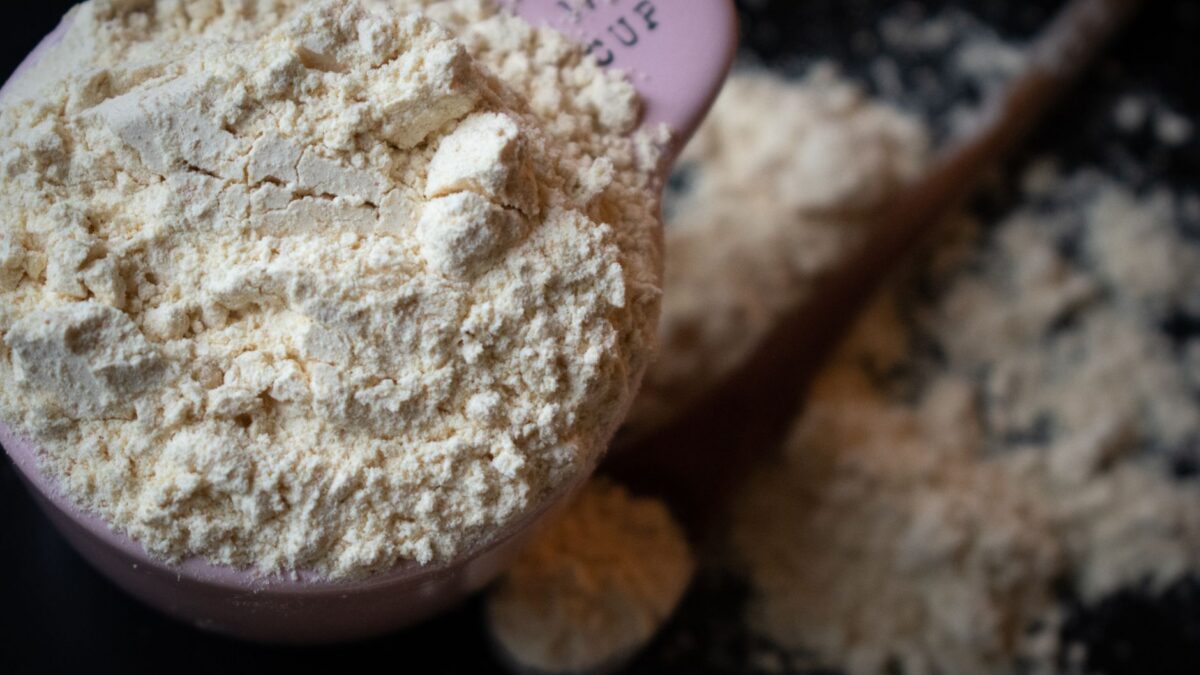
Use dry measuring cups (nesting cups filled to the brim and leveled) for flour, sugar, oats and cocoa, and liquid measuring cups (clear, with a spout and marked lines) for milk, water and oil. Spoon flour into the cup and sweep it level instead of scooping, and read liquid cups at eye level on a flat counter. For the most consistent results, weigh ingredients with a scale.
This guide covers the difference between the two types of cup, how US, metric and Australian measures compare, and the technique for each kind of ingredient.
Dry vs liquid measuring cups
| Type | Looks like | Use for | How to measure |
|---|---|---|---|
| Dry cups | Nesting set, flat rim, usually 1/4, 1/3, 1/2 and 1 cup | Flour, sugar, brown sugar, oats, cocoa, chocolate chips | Fill above the rim, then sweep level with a straight edge |
| Liquid cups | Clear glass or plastic, spout, lines below the rim | Water, milk, buttermilk, oil, juice | Set on a level surface; read the bottom of the curve at eye level |
| Measuring spoons | Set from 1/8 or 1/4 teaspoon to 1 tablespoon | Leavening, salt, spices, extracts, small liquids | Fill and level dry ingredients; fill liquids to the brim |
The U.S. National Institute of Standards and Technology notes in its culinary measurement tips that mixing up dry and liquid measures is a common source of error. A liquid cup cannot be leveled, so flour measured in one is inconsistent; a dry cup filled to the brim with milk spills.
How much does a cup hold?
A “cup” is not the same everywhere. The differences are small for most recipes but matter for spoons of leavening and for recipes from other countries.
| Measure | US customary | Metric (UK, Canada, NZ) | Australia |
|---|---|---|---|
| 1 cup | About 237 ml (8 US fl oz) | 250 ml | 250 ml |
| 1 tablespoon | About 15 ml (14.8 ml) | 15 ml | 20 ml |
| 1 teaspoon | About 5 ml (4.9 ml) | 5 ml | 5 ml |
The Australian tablespoon is the one to watch: it equals 4 teaspoons, not 3. If an Australian recipe calls for 1 tablespoon of baking powder, use 4 US teaspoons. Older British recipes may use imperial measures; modern UK recipes mostly give grams and millilitres. See tablespoons, teaspoons and ml for a full table.
Technique by ingredient
Flour: spoon and level
- Stir or fluff the flour in its bag or canister.
- Spoon it lightly into the dry cup until it mounds over the top. Do not tap or shake the cup.
- Sweep across the rim with the back of a knife.
Scooping straight from the bag packs the flour and can add a lot of extra weight per cup, a classic cause of dry, tough muffins. King Arthur’s ingredient weight chart lists all-purpose flour at 120 g per cup. More in how to measure flour.
Granulated sugar
Scoop or pour into a dry cup and level. Sugar does not pack much.
Brown sugar
Press it firmly into the cup so it holds the cup’s shape when turned out, unless the recipe says “loosely packed.”
Liquids
Set the cup on the counter, pour, then bend down so your eye is level with the line. Reading from above makes the amount look larger than it is.
Sticky ingredients
For honey, molasses or syrup, lightly oil the cup or spoon first so it slides out cleanly, or weigh it.
Butter
US sticks are marked in tablespoons. One stick is 8 tablespoons, 1/2 cup or 113 g, per King Arthur.
Leavening and salt
Dip the spoon, then level with a straight edge. A heaping teaspoon of baking soda can easily contain much more than the recipe intends, leading to soapy flavors and collapse.
Are your cups accurate?
Inexpensive sets can vary slightly. To check one, set a liquid cup or dry cup on a kitchen scale, tare it, and fill it with water: 1 US cup of water should weigh about 237 g, and 1 tablespoon about 15 g. Replace cups that are dented, warped or have worn-off markings.
Prefer sets with engraved or embossed markings that do not wash off, sturdy handles that keep the cup level, and both US and metric labels if you use recipes from different countries.
When to switch to a scale
Volume works fine for many recipes, especially ones written in cups. But for bread, cakes and anything where texture is critical, weight is more reliable. A basic digital scale costs little and removes the variation of scooping. See choosing a kitchen scale for baking.
Bottom line
Use dry cups for dry ingredients and liquid cups for liquids, spoon and level flour, read liquids at eye level, and level every spoon of leavening. Watch for the 20 ml Australian tablespoon and the 250 ml metric cup. When accuracy matters most, weigh.
FAQ
Can I use a liquid cup for flour?
It is not recommended. You cannot level flour in a liquid cup, so amounts vary. Use a dry cup or a scale.
Is a US cup the same as a metric cup?
No. A US cup is about 237 ml and a metric cup is 250 ml. For most recipes the difference is small, but stay with one system within a recipe.
How many tablespoons are in a cup?
In the US, 16 tablespoons equal 1 cup, and 3 teaspoons equal 1 tablespoon.
Should I sift flour before measuring?
Only if the recipe says “1 cup sifted flour.” Otherwise spoon and level, then sift afterward if instructed.