Muffin Liners Guide: Paper, Foil, Parchment Tulips and Silicone Cups
Liners change more than cleanup. Here is how each type affects browning and sticking, and how to buy the right size.
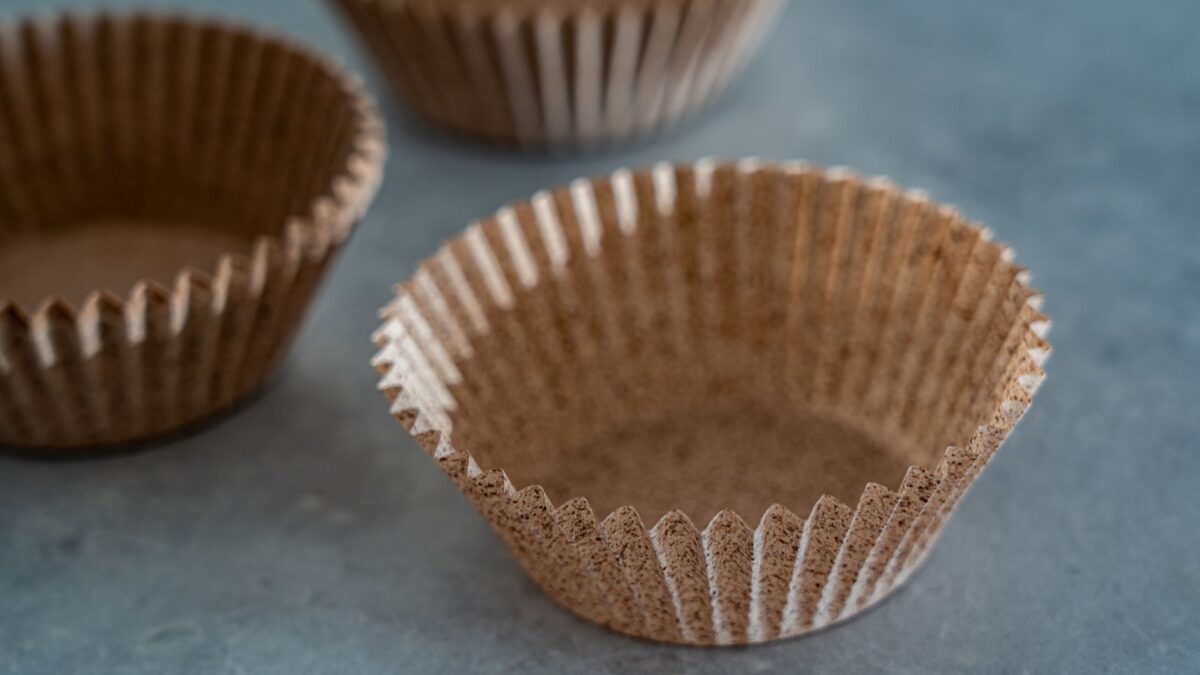
Plain paper liners are the everyday choice: cheap, easy and fine for most muffins, though they can stick to low-fat batters. Foil or foil-lined cups release more cleanly and stand on their own. Parchment tulip liners give a tall, bakery look and peel away easily, and silicone cups are reusable but bake paler. Pick the liner to match the batter and how you plan to serve the muffins.
This guide explains how each liner behaves, how to match sizes to your pan, and why muffins sometimes refuse to let go of the paper.
The main types at a glance
| Liner | Release | Browning | Best for | Watch out for |
|---|---|---|---|---|
| Plain paper | Fair; can stick to lean batters | Slightly softer sides | Everyday muffins and cupcakes | Grease-spotting; colors fading |
| Greaseproof paper | Good | Similar to paper | Buttery or oily batters, gifts | Costs more |
| Foil or foil-lined paper | Good | Similar to paper | Freestanding baking on a sheet, picnics | Not for microwaves |
| Parchment tulip | Very good | Similar to paper | Tall, bakery-style muffins | Need a full standard pan and generous batter |
| Silicone cups | Good once cooled | Paler | Reusable baking, egg bites, lunchboxes | Need a baking sheet underneath |
Paper liners
Standard paper cups are pleated so they fit snugly and expand as the batter rises. They insulate the sides slightly, so muffins baked in paper are a little softer than those baked in a bare greased pan.
The common complaint is sticking. Paper clings when the batter is low in fat, very sugary, or full of fruit that caramelizes against the cup. It also clings more when you peel muffins while they are still hot, because steam and soft starches act like glue. Waiting until the muffins are cool usually fixes it.
Greaseproof papers are treated to resist oil soaking through, so they keep their color and release better. They cost more but are worth it for gift boxes or bake sales.
Foil liners
Foil cups, or foil-lined paper cups, are stiff enough to stand on a baking sheet without a muffin pan. That is useful when you need more cups than your pan has, or for outdoor events. The shiny surface releases well and keeps grease from showing. Remove the thin paper insert in some foil packs only if the package says so.
Parchment tulip liners
Tulip liners are squares or petal-shaped wraps of parchment that stand well above the pan. Because parchment is coated to release, muffins peel away cleanly. They suit bakery-style muffins with generous batter, since the tall sides support a high rise. Fill them a little fuller than paper cups, and check doneness by the center, not the color of the paper.
You can make your own by cutting parchment into roughly 5- to 6-inch (13 to 15 cm) squares, pressing each into a cup with the bottom of a glass, and folding the corners up.
Silicone cups
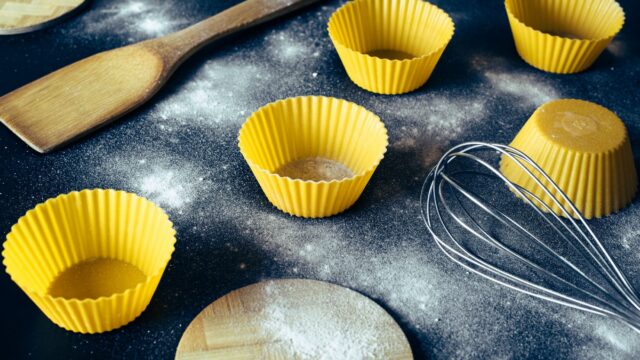
Reusable silicone cups are washable and work well for lunchbox snacks or freezing portions. Like silicone pans, they heat slowly and bake paler. Set them on a sheet pan for stability and check the manufacturer’s maximum temperature. For more on the material, see silicone vs metal muffin pans.
Sizes: match the liner to the pan
Liner sizes vary by brand and are often listed by base diameter and wall height. Check your pan’s cup measurement across the bottom before buying.
| Pan | Liner name to look for | Typical fill |
|---|---|---|
| Mini | Mini baking cups | About 1 heaping tablespoon |
| Standard | Standard baking cups | 1/4 to 1/3 cup, about two-thirds full |
| Jumbo | Jumbo baking cups | 1/2 to 2/3 cup |
Fill amounts follow Wilton’s cupcake guide. A liner that is too small for the cup tips over or gets squashed; one that is too large folds over the batter. For converting recipes between sizes, see muffin pan sizes and conversions.
How to stop muffins sticking to liners
- Let them cool. Rest muffins in the pan a few minutes, move them to a rack, and peel only once they are cool or close to it.
- Mist paper liners lightly with oil or a pan spray for low-fat, whole-grain or fruit-heavy batters.
- Use greaseproof, foil or parchment liners when the batter is lean.
- Do not underbake. A gummy outer layer sticks more. Check the center with a toothpick.
- Do not store warm muffins sealed. Trapped moisture glues the paper to the crumb.
The causes are covered in detail in why muffins stick to liners.
Liners or a bare greased pan?
- Use liners for easy cleanup, sticky add-ins, transport, gifts and portion control.
- Skip liners when you want crisp, browned sides, for cornbread-style muffins, or when you have a reliable nonstick pan.
Without liners, grease each cup well, including the top rim where muffin tops spread.
Bottom line
Paper liners suit most muffins, but switch to greaseproof, foil or parchment for lean or fruity batters that tend to stick. Match the liner size to your pan, fill to about two-thirds for standard cups, and let muffins cool before you peel.
FAQ
Do I need to grease paper liners?
Usually not for rich batters. A light mist of oil helps with low-fat, whole-grain or fruit-heavy muffins.
Why did my liners pull away from the muffins?
Steam trapped between paper and crumb as the muffins cooled, often from leaving them in the pan or covering them while warm. Cool them on a rack.
Can foil liners go in the oven without a pan?
Freestanding foil cups are designed for that. Set them on a baking sheet and fill them a little less to avoid tipping.
Are cupcake liners and muffin liners the same?
Yes. Standard baking cups are sold for both.