Muffin Pan Sizes: Mini, Standard and Jumbo Conversions, Batter Amounts and Bake Times
The same batter can make 12 standard, about 30 mini or about 6 jumbo muffins. Here is how to scale yield and adjust bake time when you switch pans.
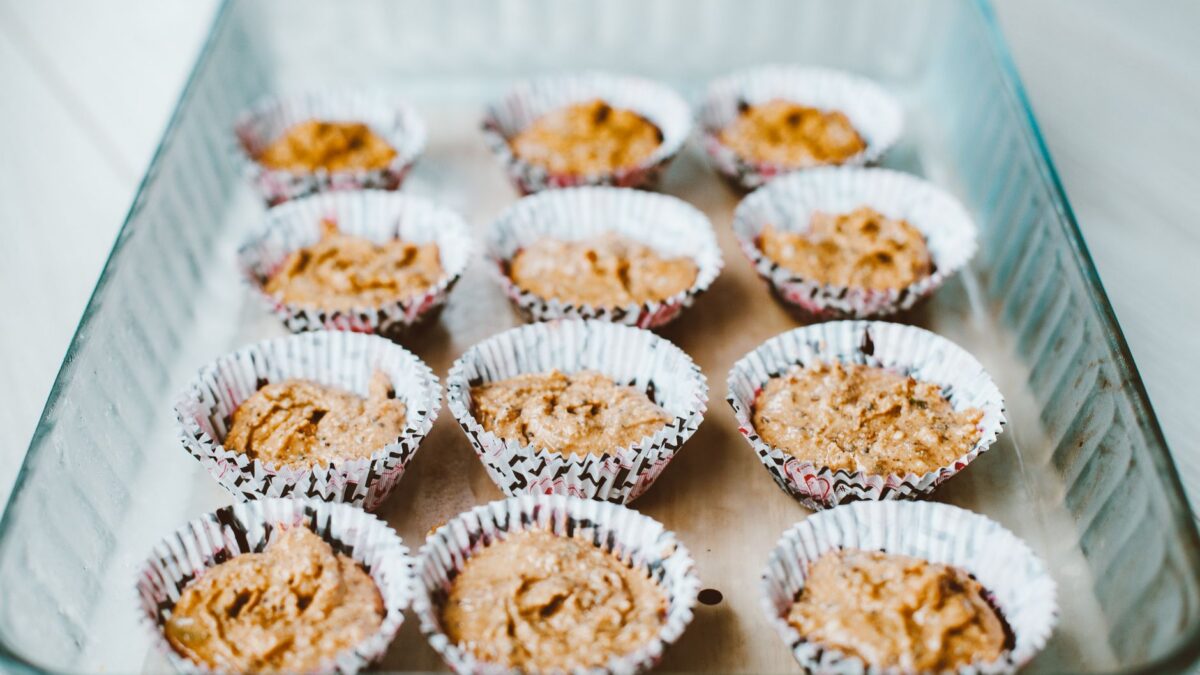
Muffin pans come in three common sizes. A standard cup takes about 1/4 to 1/3 cup of batter, a mini cup about 1 heaping tablespoon, and a jumbo cup about 1/2 to 2/3 cup, according to bakeware maker Wilton. In practice, one standard muffin equals roughly 2 1/2 minis, and one jumbo equals roughly 2 standard muffins. Smaller cups bake much faster, so the time changes far more than the temperature.
Size comparison chart
| Pan | Batter per cup | Yield from a 12-standard-muffin recipe | Typical bake time at 350°F (180°C) |
|---|---|---|---|
| Mini | 1 heaping tbsp | about 30 | 8–10 minutes |
| Standard | 1/4–1/3 cup | 12 | 18–20 minutes |
| Jumbo (Texas) | 1/2–2/3 cup | about 6 | 20–22 minutes |
Batter amounts, yields relative to a standard recipe and the 350°F times are based on Wilton’s cupcake guidance (one box mix or standard cake recipe makes about 2 dozen standard, 5 dozen mini or 1 dozen jumbo). Many muffin recipes bake hotter, at 375–425°F, and then times are shorter. Use these numbers as a starting point and rely on doneness cues.
Measure your own pan in one minute
Pans vary between brands, and “standard” is not a legal size. To know exactly what you have:
- Fill one cup with water to the brim.
- Pour it into a liquid measuring cup, or weigh it (1 ml of water weighs 1 g).
- Plan to use about two-thirds of that volume for batter; Wilton suggests no more than three-quarters full when baking without liners.
Fuller cups give taller domes; see how to get tall muffin tops. If you are choosing new pans, our guide to choosing a muffin pan covers material and color, which also affect bake time.
Converting a recipe between sizes
Standard to mini
- Expect about 2 1/2 times as many muffins.
- Keep the same oven temperature, or lower it by 25°F if the recipe uses a very hot start (425°F or more), which can scorch minis.
- Start checking at about half the standard time. Minis go from done to dry in a minute or two.
- Chop add-ins smaller: mini chocolate chips, small blueberries or diced fruit no bigger than a pea.
Standard to jumbo
- Expect about half as many muffins.
- Consider lowering the temperature by about 25°F (15°C) so the outside does not overbrown before the center sets.
- Add time: jumbo muffins often need 5–15 minutes longer than standard, depending on the batter and temperature. Check the center, not the edges.
Muffins to a loaf
A 12-standard-muffin recipe produces roughly 3 to 4 cups of batter, which fits a 9 x 5-inch or 8 1/2 x 4 1/2-inch loaf pan. Bake at 350°F (180°C); loaves usually need 50–65 minutes. Tent with foil if the top browns before the center is done. Going the other way, a typical quick bread loaf makes about 12 standard muffins.
Bake time and temperature cheat sheet
| Switching from standard to… | Temperature | Time |
|---|---|---|
| Mini | Same (or 25°F lower if over 400°F) | About half; check early |
| Jumbo | Same or 25°F lower | Longer; often +5–15 min |
| Loaf pan | 350°F (180°C) | Usually 50–65 min |
| Muffin top pan (shallow) | Same | Shorter; check from about two-thirds of the standard time |
For time-by-size details at common temperatures, see how long to bake muffins.
How to tell muffins are done at any size
- A toothpick or thin skewer inserted in the center comes out clean or with a few moist crumbs, not wet batter. Avoid hitting a chocolate chip or berry.
- The top springs back when pressed lightly.
- The edges have just begun to pull away from the cup or liner.
Let muffins rest in the pan for about 5 minutes, then move them to a rack, so steam does not make the bottoms soggy.
Liners, pan color and material
Size is not the only thing that changes bake time. A few other factors shift it by a minute or several:
- Dark or nonstick pans absorb more heat and brown bottoms faster. If yours run dark, check a few minutes early or lower the oven by about 25°F.
- Silicone pans conduct heat more slowly and brown less. Set them on a baking sheet so they stay level and are easy to move.
- Paper liners slightly insulate the batter and make cups a touch smaller. Liner sizes are sold to match mini, standard and jumbo pans; a liner that is too large folds over and gives lopsided muffins.
- Very full pans of thick batter, like bakery-style muffins, may need a couple of extra minutes compared with a two-thirds fill.
When you have fewer muffins than cups
If your batter does not fill every cup, spread the filled cups out evenly across the pan rather than bunching them at one end. Some bakers add a little water to the empty cups to protect the pan; it is optional and does not change how the muffins bake in any important way. If you are scaling the recipe itself, see how to halve or double a baking recipe.
Bottom line
Batter per cup is the key number: about 1 tablespoon for mini, 1/4–1/3 cup for standard and 1/2–2/3 cup for jumbo. Keep the temperature about the same, adjust the time to the size, and judge doneness with a toothpick and a light press, not the clock.
FAQ
How many mini muffins equal one standard muffin?
About 2 1/2. A recipe for 12 standard muffins typically makes around 30 minis.
How full should I fill muffin cups?
About two-thirds full for most recipes. Thick bakery-style batters can go fuller, but no more than about three-quarters without liners.
Can I bake muffin batter as a loaf?
Yes. Most muffin batters bake well in a 9 x 5-inch loaf pan at 350°F for roughly 50–65 minutes. Expect a slightly denser crumb than the muffins.
Do jumbo muffins need a lower temperature?
Often, yes. Lowering by about 25°F helps the center finish before the outside overbrowns.