Pumpkin Bread From One Can: Two Loaves, Muffin Option and Freezing for the Holidays
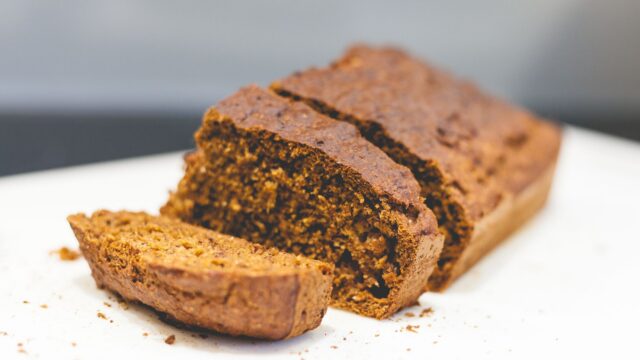
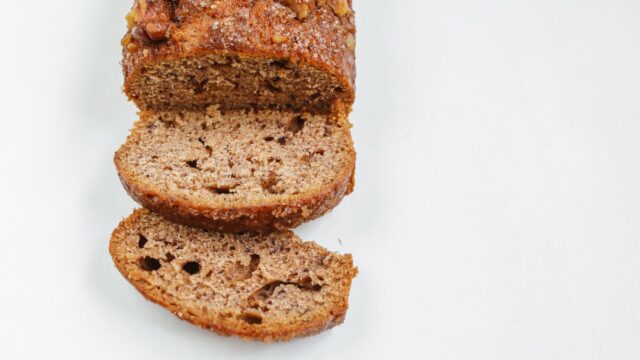
A full can of pumpkin purée makes two loaves of moist, spiced pumpkin bread. Bake one now and freeze the other for the holidays.
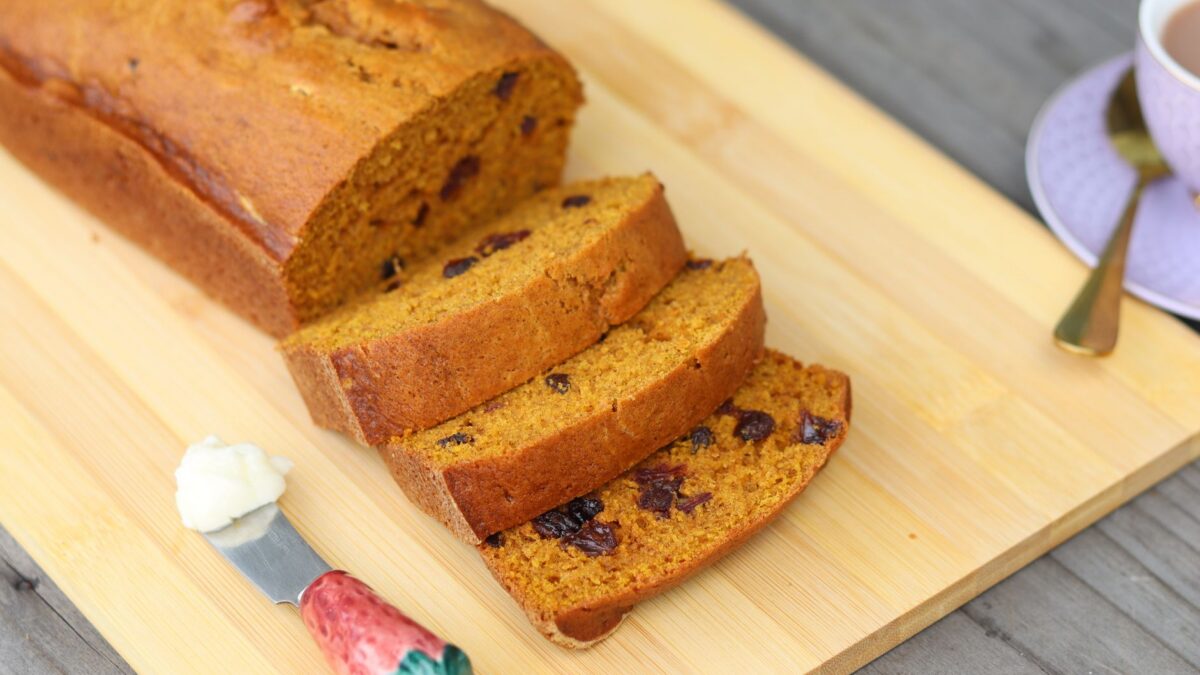
Classic pumpkin bread uses one full 15-ounce can of pumpkin purée, oil, eggs, sugar, warm spices and baking soda, and makes two 9×5-inch loaves. Bake at 350°F (175°C) for about 50 to 65 minutes, until a skewer in the center comes out clean. The same batter makes about 24 muffins in 20 to 25 minutes, and the loaves freeze very well, which makes this one of the easiest things to bake ahead for the holidays.
Flour weights use King Arthur’s 120 g per cup convention, spooned and leveled. The recipe follows the long-established one-can formula, with a modest sugar reduction noted below.
Ingredients (two 9×5-inch loaves)
- 3 1/2 cups (420 g) all-purpose flour
- 2 teaspoons baking soda
- 1 1/2 teaspoons fine salt
- 2 teaspoons ground cinnamon
- 1 teaspoon ground ginger
- 1 teaspoon ground nutmeg
- 1/2 teaspoon ground cloves
- 2 1/2 cups (495 g) granulated sugar (traditional versions use 3 cups, 594 g)
- 1 can (15 oz, about 425 g, roughly 1 3/4 cups) pumpkin purée
- 4 large eggs, at room temperature
- 1 cup (198 g) neutral oil
- 2/3 cup (151 g) water or milk
You can replace up to half the granulated sugar with packed brown sugar for a deeper flavor. Use plain purée, not pumpkin pie filling, which is already sweetened and spiced.
Method
- Heat the oven to 350°F (175°C), gas mark 4, or about 160°C fan. Grease two 9×5-inch (23×13 cm) loaf pans and line the bottoms with parchment, leaving an overhang.
- Whisk the flour, baking soda, salt and spices in a bowl.
- In a large bowl, whisk the sugar, pumpkin, eggs, oil and water until smooth and glossy.
- Add the dry ingredients and stir with a spatula just until no streaks of flour remain.
- Divide the batter evenly between the pans, about 2/3 full each.
- Bake 50 to 65 minutes, starting to check at 50. If the tops brown too quickly before the centers are done, lay a sheet of foil loosely over them for the last 15 minutes.
- The bread is done when a skewer in the center comes out clean or with a few moist crumbs, and the center reads about 200–205°F (93–96°C) on an instant-read thermometer. A crack along the top is normal for loaves.
- Cool 10 to 15 minutes in the pans, then lift out and cool completely on a rack before slicing or wrapping.
Loaf vs muffins vs other pans
The batter adapts to almost any pan. Fill each pan no more than about 2/3 full and adjust the time.
| Pan | Yield from one batch | Temperature | Approximate time |
|---|---|---|---|
| 9×5-inch loaf | 2 loaves | 350°F (175°C) | 50–65 min |
| 8.5×4.5-inch loaf | 2 loaves plus about 6 muffins | 350°F (175°C) | 50–65 min |
| Mini loaf (about 5.75×3 inches) | about 6–8 | 350°F (175°C) | 30–40 min |
| Standard muffin cups | about 24 | 375°F (190°C) | 20–25 min |
| 10- to 12-cup Bundt | 1 cake (fill about 2/3; bake any extra batter as muffins) | 350°F (175°C) | 55–70 min |
Times are a starting range; always use the skewer test. If you prefer a dedicated muffin formula with streusel, see pumpkin muffins.
Why it works
- Oil, not butter. Oil coats flour proteins and stays liquid when cool, which is why pumpkin bread is famously moist and keeps for days.
- Baking soda reacts with the mild acidity of pumpkin and brown sugar, and it encourages the deep brown crust.
- Lots of sugar is part of the texture, not just sweetness: it holds moisture and tenderizes. That is why cutting more than about a quarter makes the loaf drier and paler. See what sugar does in baking.
- Brief mixing keeps the crumb tender rather than gummy.
Freezing pumpkin bread for the holidays
Pumpkin bread is a classic make-ahead bake because it freezes with almost no change in texture.
- Cool the loaf completely, ideally several hours. Wrapping a warm loaf traps steam and makes the crust wet.
- Wrap tightly in plastic wrap, then in foil or a freezer bag with the air pressed out. Label with the date.
- For easy breakfasts, slice first and separate the slices with parchment so you can take out one at a time.
- For best quality, use within about 2 to 3 months.
- Thaw the whole loaf in its wrapping at room temperature for 2 to 3 hours, so condensation forms on the wrap rather than the bread. Slices thaw in about 20 minutes or can be toasted from frozen.
For more on wrapping and reheating, see how to freeze muffins and quick breads.
Storage at room temperature
Once cool, wrap the loaf or keep it in a covered container at room temperature for about 3 days. Loaves with a cream cheese swirl or frosting belong in the refrigerator.
Variations
- Chocolate chip: fold in 1 cup (170 g) chocolate chips.
- Nut: fold in 1 cup (113 g) chopped toasted walnuts or pecans (tree nuts).
- Cranberry: fold in 1 cup (about 100 g) fresh or frozen cranberries, roughly chopped.
- Sugared top: sprinkle each loaf with 1 tablespoon coarse or turbinado sugar before baking.
Troubleshooting
| Problem | Likely cause | Fix |
|---|---|---|
| Gummy streak in the center | Underbaked or sliced while warm | Bake to 200–205°F; cool completely |
| Sunken middle | Underbaked, too much leavening, or pan too small | Measure soda carefully; use the right pan size |
| Dark crust, raw center | Oven hot or dark pan | Tent with foil; lower 25°F for dark metal |
| Dry, crumbly | Too much flour or overbaked | Spoon and level or weigh flour; start checking early |
Food safety and allergens
Do not eat the raw batter: raw flour and raw eggs can carry harmful bacteria. The recipe contains wheat (gluten) and eggs, plus milk if you use it, and tree nuts if added. Gluten-free swaps need certified ingredients and care with cross-contact; anyone managing allergies, celiac disease or diabetes should follow their doctor’s or dietitian’s advice.
Bottom line
One can, one bowl, two loaves. Bake at 350°F (175°C) until a skewer comes out clean, cool completely, then enjoy one loaf now and wrap the other tightly for the freezer. It will taste just as good in December.
FAQ
Can I halve this recipe for one loaf?
Yes, but measuring half a can is the awkward part: use a scant 1 cup (about 212 g) of purée and 2 eggs, and halve everything else.
Why does my pumpkin bread crack on top?
That is normal. The outside sets before the center finishes rising, so the top splits. It is a sign of a good rise, not a problem.
Can I use butter instead of oil?
Yes, melted butter in the same volume works. The bread tastes richer but is firmer when cold.
How do I know it is done without a thermometer?
A skewer in the center should come out clean or with a few moist crumbs, and the top should spring back when pressed gently.