Lunchbox Muffins for Kids: Nut-Free, Lower-Sugar and Freezer-Friendly Ideas
Muffins make easy lunchbox food if you plan for nut-free rules, moderate sugar and a freezer stash. Here is how to set it up.
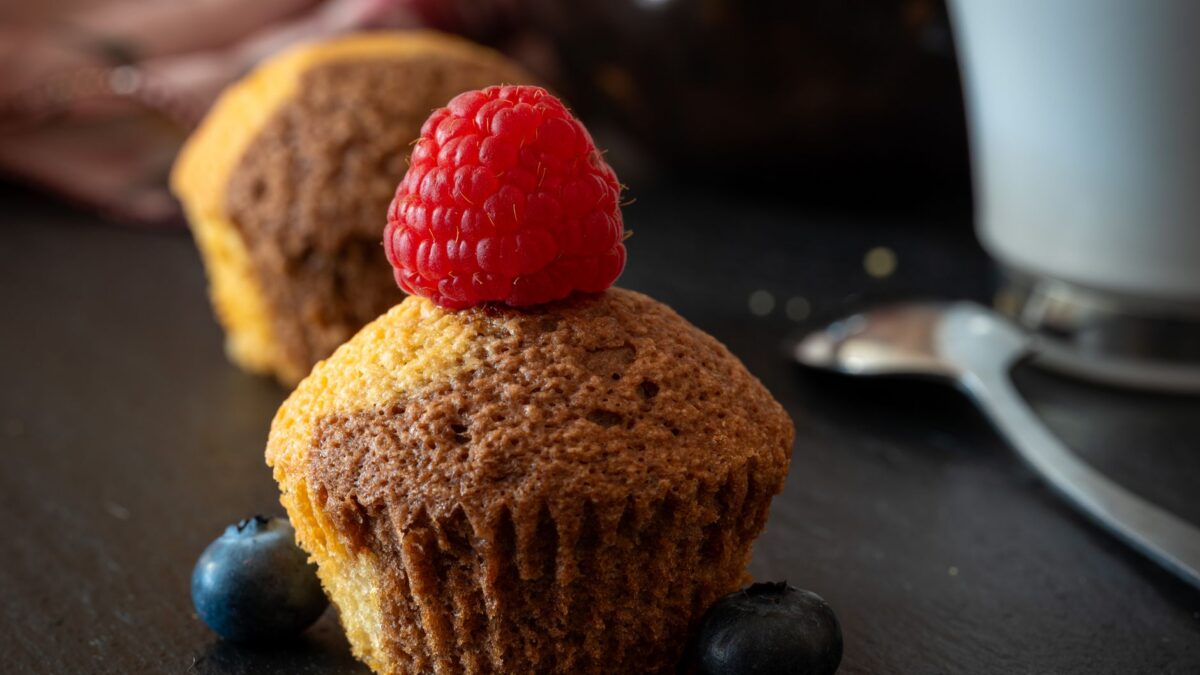
The best lunchbox muffins are nut-free, moderately sweet, sturdy enough to survive a backpack, and baked ahead and frozen. Mini or standard muffins made with fruit, oats or vegetables work well; pack one straight from the freezer in the morning and it thaws by lunch. Before baking for a classroom, check your school’s food and allergy policy.
This guide covers allergy planning, flavors that pack well, size and sugar choices, and a simple freeze-and-pack routine.
Start with the school’s rules
Many schools restrict nuts or other allergens, and some ban homemade food for shared snacks or celebrations. Policies vary by school and district, so ask before sending treats for the class. The CDC notes that food allergies affect about 1 in 13 children and that strict avoidance is the only way to prevent a reaction. Its school food allergy guidance describes voluntary guidelines schools use to plan for allergies.
In the US, the FDA lists nine major food allergens: milk, eggs, fish, crustacean shellfish, tree nuts, peanuts, wheat, soybeans and sesame. Sesame was added on January 1, 2023. See the FDA’s food allergies page for details.
Nut-free baking at home
- Leave out nuts and nut butters, and skip almond flour, nut milks and coconut if your school counts coconut as a tree nut concern.
- Read every label, including chocolate chips, sprinkles, granola and seeds, for “contains” statements and precautionary labels such as “may contain” or “made in a facility with.”
- Prevent cross-contact: wash bowls, tools and pans thoroughly, use fresh liners, and store nut-free bakes separately.
- Use seeds carefully. Sunflower or pumpkin seeds can replace nuts for crunch, but check the school allows them; sesame is a major allergen.
- Label what you send if sharing is allowed, listing all ingredients.
For children with diagnosed allergies, celiac disease or diabetes, follow the advice of their doctor or dietitian rather than general tips.
Flavors that pack well
| Muffin | Why it works in a lunchbox | Lower-sugar tip |
|---|---|---|
| Banana oat | Moist, sturdy, freezes well | Very ripe bananas add sweetness; cut sugar by a quarter |
| Apple cinnamon | Holds shape; mild flavor kids know | Grated apple adds moisture and sweetness |
| Pumpkin | Soft, moist, keeps well | Spices carry flavor with less sugar |
| Carrot or zucchini | Adds vegetables; stays moist | Squeeze zucchini; add raisins |
| Blueberry | Familiar favorite | Use small berries; top with a pinch of coarse sugar |
| Corn or cheese | Savory option for kids who prefer less sweet | Very little sugar needed |
A sturdy recipe such as oatmeal muffins is a good place to start. To lighten any recipe, see healthier muffin swaps.
Size: mini or standard?
- Mini muffins suit younger children and snack boxes. They bake in about 8 to 12 minutes, depending on the recipe and oven, and thaw quickly.
- Standard muffins are a filling part of lunch for older kids.
- Avoid very large muffins with sticky tops; they crush and smear in a lunchbox.
Keeping sugar moderate
Sugar keeps muffins soft and helps them brown, so cutting it entirely makes them dry. Reducing it by about a quarter, adding fruit, and using cinnamon, vanilla or orange zest for flavor usually works. Mix-ins like chocolate chips can stay in smaller amounts; mini chips spread flavor further.
Freeze-ahead routine
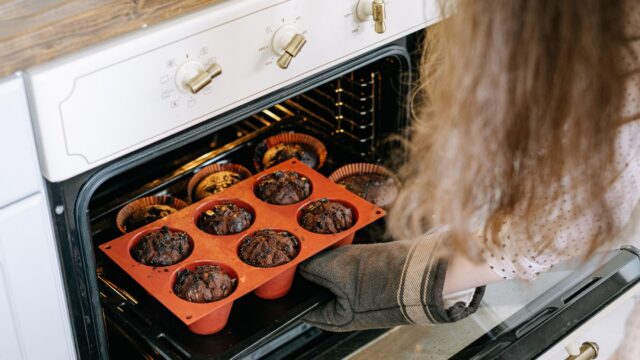
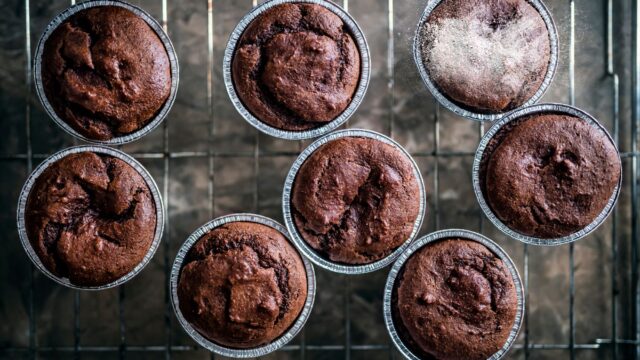
- Bake on the weekend and cool the muffins completely on a rack, about an hour.
- Wrap individually or place in a freezer bag with as much air pressed out as possible.
- Label and date; for best quality, use within about 2 to 3 months.
- Pack frozen in the morning. A standard muffin generally thaws by lunchtime at room temperature; a mini thaws faster.
- Warm if wanted: a few seconds in the microwave at home, unwrapped.
Full details are in how to freeze muffins.
Packing tips
- Use a hard container to stop squashing.
- Pack muffins away from wet foods so they do not go soggy.
- Muffins with cheese, cream cheese or meat are perishable; pack them with an ice pack in an insulated bag.
- Paper liners make muffins easier to hold and less messy.
One batch, several flavors
You do not need a different recipe for every day. Mix one plain batter, divide it between bowls, and fold a different add-in into each: blueberries in one, grated apple and cinnamon in another, mini chocolate chips in a third. Keep add-ins to about 1 to 1 1/2 cups in total per 12 standard muffins so the batter still rises and sets. Use liners in different colors, or write the flavor on the freezer bag, so you can rotate through the week and children can choose.
Food safety while baking with kids
Children love to help, but raw batter is not a safe snack. The CDC and FDA advise against eating raw dough or batter because raw flour and raw eggs can carry E. coli and Salmonella. Let kids stir and scoop, then wash hands and tools well.
Bottom line
Choose nut-free, moderately sweet muffins with fruit, oats or vegetables, bake them in mini or standard size, and keep a labeled stash in the freezer. Check school allergy rules before sharing, read every label, and prevent cross-contact at home.
FAQ
Can I pack muffins straight from the freezer?
Yes. They usually thaw by lunchtime and help keep other food cool.
Are store-bought chocolate chips nut-free?
Not always. Check the label for allergen statements and precautionary “may contain” warnings.
How long do muffins keep at room temperature?
Most homemade muffins keep a few days in an airtight container. For longer storage, freeze them.
Can I send homemade muffins for a class party?
Ask the school first. Many have rules about homemade food and allergens.