The Muffin Method Explained: Muffin vs Creaming Method and When to Use Each
Two mixing methods shape most muffins and cakes. Knowing which one a recipe uses, and why, explains texture problems before they happen.
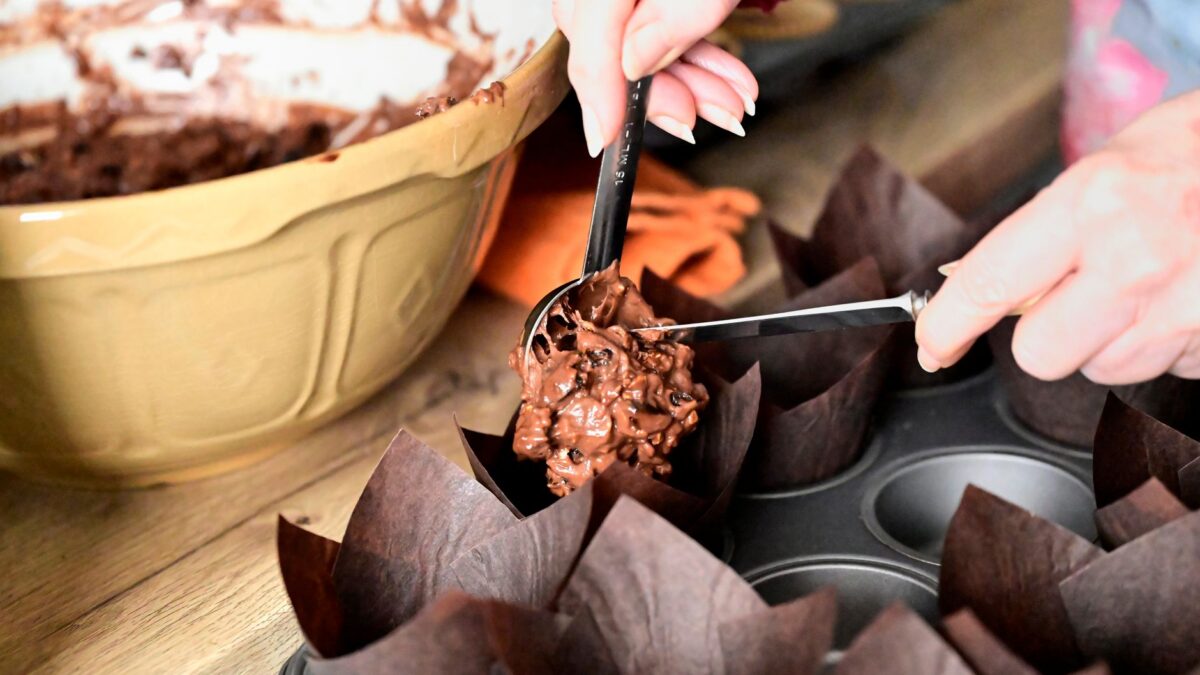
The muffin method is a two-bowl technique: whisk the dry ingredients in one bowl, the wet ingredients (including oil or melted butter) in another, then fold them together briefly until just combined. It is fast and keeps gluten low, giving a tender, slightly coarse crumb. The creaming method, used for most butter cakes and many cupcakes, beats softened butter with sugar first to trap air, producing a finer, more cake-like texture.
The muffin method, step by step
- Dry bowl: whisk flour, sugar, baking powder and/or baking soda, salt and spices thoroughly so the leavening is evenly spread.
- Wet bowl: whisk eggs, then add milk or buttermilk, melted butter or oil, and flavorings until smooth.
- Combine: pour the wet mixture into the dry ingredients all at once.
- Fold gently with a spatula, about 15–20 strokes, until no dry flour is visible. The batter should be thick and lumpy.
- Add mix-ins with the final strokes.
- Scoop and bake promptly.
Brown sugar is sometimes whisked into the wet ingredients so it dissolves and does not clump. Either way works, as long as the final stir is short.
Why the muffin method is so gentle
Muffins have a modest amount of fat and sugar compared with cake. Both of those ingredients tenderize by interfering with gluten. With less of them, the crumb would turn tough quickly if the batter were stirred a lot. The muffin method solves this by doing all the thorough mixing before the flour gets wet. Once wet meets dry, the goal is only to moisten everything, not to blend it smooth. Overmixing at that stage causes tough, chewy muffins with tunnels; see why muffins have tunnels and holes.
Why muffins use oil or melted butter
The muffin method needs a liquid fat that can be whisked with the other wet ingredients. That rules out softened butter in pieces and leaves two choices:
- Oil stays liquid at room temperature, which keeps muffins soft and moist for longer. It has a neutral flavor if you use vegetable or canola oil.
- Melted butter adds flavor and helps browning, but it firms up as the muffin cools, so butter-based muffins can feel slightly drier the next day.
Many recipes use a mix of both. For swap amounts in cups and grams, see oil vs butter in muffins.
One practical tip: let melted butter cool slightly before whisking it with cold eggs and milk, or bring those to room temperature first. Very cold liquids can make melted butter firm up into small lumps.
The creaming method, briefly
- Beat softened butter and sugar until pale and fluffy, often 3–5 minutes with a mixer. Sugar crystals cut tiny air pockets into the fat.
- Beat in eggs one at a time.
- Add dry ingredients and liquid in alternating additions, mixing on low just until combined.
The trapped air expands in the oven alongside the leavening, giving a lighter, finer, more even crumb. Creamed batters are richer in butter and sugar, so they tolerate more mixing without turning tough. Our vanilla cupcakes are a typical example.
Muffin method vs creaming method
| Muffin method | Creaming method | |
|---|---|---|
| Fat | Oil or melted butter | Softened, room-temperature butter |
| Equipment | Two bowls, whisk, spatula | Mixer strongly recommended |
| Time | About 10 minutes | About 15–20 minutes |
| Crumb | Tender, slightly coarse, moist | Fine, even, cake-like |
| Mixing tolerance | Low; easy to overmix | Higher; still mix gently after flour |
| Rise comes from | Mostly chemical leavening | Leavening plus air beaten into butter |
| Shelf life | Best within 1–2 days (oil versions stay softer) | Similar; richer cakes stay moist a little longer |
| Typical uses | Muffins, quick breads, pancakes, cornbread | Butter cakes, cupcakes, many cookies, pound cake |
When to choose each
- Choose the muffin method for everyday muffins, banana and zucchini breads, cornbread and anything you want to mix by hand quickly. It suits oil, fruit purees and add-ins.
- Choose the creaming method when you want a cupcake-like crumb, a buttery flavor and a more delicate texture, or when a recipe relies on a high proportion of butter and sugar.
- Bakery-style muffins sometimes use creaming for a richer, cakier muffin. If a muffin recipe tells you to cream butter and sugar, follow it; the ratios are built for that method.
Swapping methods without adjusting the recipe rarely works well. A lean muffin batter does not have enough butter and sugar to cream properly, and a rich cake batter mixed by the muffin method can turn out heavy and greasy.
Other methods you may see
The biscuit method cuts cold butter into flour for flaky scones and biscuits. The reverse creaming (or paste) method mixes softened butter into the dry ingredients before adding liquid, which coats the flour with fat and gives a very fine, tender cake crumb. Neither is standard for muffins.
A food-safety reminder
It is tempting to taste batter as you mix. The FDA advises against eating raw batter or dough, since raw flour and raw eggs can carry bacteria such as E. coli and Salmonella. Taste the finished muffin instead. You can read the agency’s guidance on handling flour safely.
Bottom line
The muffin method trades a fine crumb for speed and tenderness: whisk dry, whisk wet, fold briefly, stop while lumpy. Creaming builds air into butter for cake-like texture. Use the method the recipe was written for, and keep the final mix short in both.
FAQ
Can I use softened butter in the muffin method?
Not directly. The butter needs to be melted so it can be whisked into the wet ingredients. If a recipe calls for softened butter, it is probably a creaming-method recipe.
Is the muffin method the same as the “one-bowl” method?
Not exactly. One-bowl recipes add ingredients in sequence to a single bowl. The classic muffin method uses two bowls so the dry ingredients are fully blended before liquid is added.
Why is my muffin-method batter so lumpy?
That is normal. The lumps hydrate in the oven. Stirring until smooth leads to tough muffins.
Can cupcakes be made with the muffin method?
Some oil-based cupcake recipes are. The result is moist and tender but slightly less fine-textured than a creamed cupcake.