Cups to Grams for Baking: A Conversion Chart for Flour, Sugar, Butter, Oats and More
One cup is a volume, not a weight, so every ingredient converts differently. Here is a practical chart for the ingredients muffin and cake recipes use most.
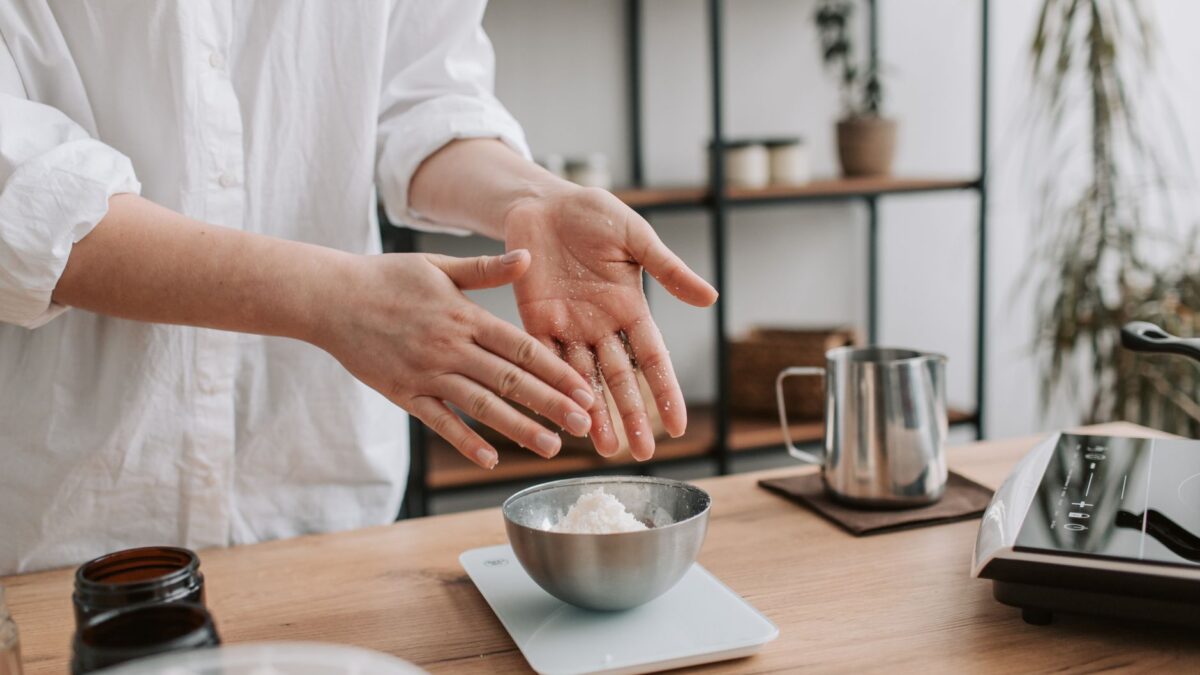
There is no single cups-to-grams number, because a cup measures volume and grams measure weight. Using the King Arthur Baking weight chart convention, 1 cup of all-purpose flour is 120 g, 1 cup of granulated sugar is 198 g, 1 cup of packed brown sugar is 213 g, 1 cup of butter is 227 g and 1 cup of milk is 227 g. The chart below covers the ingredients that show up in most muffin, quick bread and cake recipes.
If a recipe was written in grams, follow the grams. If it was written in cups, the weights below are a reliable translation, as long as you know how the recipe writer filled their cups.
Why one cup weighs different amounts
A cup of flour and a cup of sugar take up the same space, but sugar crystals are denser and pack together tightly, while flour is light and full of air. Three things change what a cup weighs:
- Density of the ingredient. Honey is far heavier than oats in the same cup.
- How the cup is filled. Flour spooned in and leveled weighs less than flour scooped straight from the bag, which compresses it. See how to measure flour for the spoon-and-level method.
- Which chart the recipe used. Publishers do not agree on one number. King Arthur uses 120 g per cup of all-purpose flour; some other charts use 125 g or more. A few grams per cup is minor, but across 3 cups it can add up to the difference between a tender muffin and a dense one.
That is why weighing is the most consistent method. The U.S. National Institute of Standards and Technology (NIST) also points to weighing with a kitchen scale as a best practice in its culinary measurement tips.
Flour and dry ingredients
| Ingredient | 1 cup | 1/2 cup | 1/4 cup |
|---|---|---|---|
| All-purpose flour | 120 g | 60 g | 30 g |
| Bread flour | 120 g | 60 g | 30 g |
| Cake flour | 120 g | 60 g | 30 g |
| Whole wheat flour | 113 g | 57 g | 28 g |
| Almond flour | 96 g | 48 g | 24 g |
| Whole cornmeal | 138 g | 69 g | 35 g |
| Rolled or quick oats | 89 g | 45 g | 22 g |
| Unsweetened cocoa powder | 84 g | 42 g | 21 g |
| Cornstarch | 112 g | 56 g | 28 g |
| Chocolate chips | 170 g | 85 g | 43 g |
Figures follow the King Arthur Baking ingredient weight chart; half and quarter amounts are simple arithmetic and rounded. Whole wheat flour weighs a little less per cup than all-purpose because the bran and germ make it coarser and less compact. Cocoa is very light, so a cup of it weighs well under a cup of flour.
Sugars and sweeteners
| Ingredient | 1 cup | 1/2 cup | 1/4 cup |
|---|---|---|---|
| Granulated sugar | 198 g | 99 g | 50 g |
| Brown sugar, light or dark (packed) | 213 g | 106 g | 53 g |
| Confectioners’ (powdered) sugar, unsifted | 113 g | 57 g | 28 g |
| Honey | 336 g | 168 g | 84 g |
| Maple syrup | 312 g | 156 g | 78 g |
| Molasses | 340 g | 170 g | 85 g |
Brown sugar is measured packed in American recipes, pressed into the cup until it holds its shape. Liquid sweeteners are heavy: a cup of honey weighs well over twice as much as a cup of flour. Lightly oiling the cup or spoon helps sticky syrups slide out, but weighing them straight into the bowl avoids the problem entirely.
Fats, dairy and other wet ingredients
| Ingredient | 1 cup | 1/2 cup | 1/4 cup |
|---|---|---|---|
| Butter | 227 g (2 sticks) | 113 g (1 stick) | 57 g |
| Vegetable oil | 198 g | 99 g | 50 g |
| Milk or buttermilk | 227 g | 113 g | 57 g |
| Plain yogurt or sour cream | 227 g | 113 g | 57 g |
| Water | 227 g | 113 g | 57 g |
| Pumpkin purée or mashed banana | 227 g | 113 g | 57 g |
Strictly, a US cup of water holds about 237 ml and weighs about 237 g. Many American charts, including King Arthur’s, round milk, water and similar liquids to 8 ounces (227 g) per cup. The gap is small enough not to matter in muffins or quick breads. Oil weighs less than water because fat is less dense. For butter by sticks, tablespoons and UK blocks, see butter sticks to grams.
Eggs, leaveners and salt
- 1 large egg, out of the shell: about 50 g (white 30–35 g, yolk about 14 g).
- Baking powder: 1 teaspoon is about 4 g.
- Baking soda: 1/2 teaspoon is about 3 g.
- Table salt: 1 tablespoon is about 18 g, so 1 teaspoon is about 6 g. Flaky and coarse kosher salts weigh much less per spoon, so do not swap them by volume.
For small amounts like leaveners, most home scales with 1 g resolution are not precise enough, so measuring spoons are still the practical choice. Our guide to tablespoons, teaspoons and milliliters explains how US, UK and Australian spoons differ.
How to convert a cup recipe to grams
- Check whether the recipe states how it measures flour (spooned and leveled, scooped or sifted). If it says nothing, assume spoon-and-level, which matches the 120 g figure.
- Convert each ingredient with the tables above. Write the grams next to the cups so you only do it once.
- Set the bowl on the scale, press tare, add the first ingredient, tare again and continue.
- Keep leaveners, salt and spices in spoons.
- Bake once and note the result. If the batter seems stiffer or looser than the recipe describes, adjust flour by 10–15 g per cup the next time.
Bottom line
Cups are convenient, grams are consistent. Use 120 g per cup of all-purpose flour, 198 g for granulated sugar, 213 g for packed brown sugar and 227 g for butter and milk, and keep small amounts in spoons. When a recipe gives grams, trust them over cups: the author weighed, and you will get closer to what they baked.
FAQ
How many grams is 1 cup of flour?
About 120 g of all-purpose flour measured by spooning it into the cup and leveling it, per King Arthur Baking. Scooped flour usually weighs more, and some charts use 125 g.
How many grams is 1 cup of sugar?
About 198 g of granulated sugar, 213 g of packed brown sugar or 113 g of unsifted confectioners’ sugar.
Is a cup of milk the same weight as a cup of water?
Very close. Most baking charts list both at 227 g per cup; whole milk is very slightly denser, but not enough to change a recipe.
Do I need a scale to bake muffins?
No. Muffins are forgiving, and careful spoon-and-level measuring works. A scale simply makes results repeatable and washing up quicker.