How Long to Bake Muffins at 180°C: Fan and Conventional Times
Standard muffins bake in 20 to 25 minutes at 180°C conventional and about 15 to 20 minutes at 180°C fan. Mini and jumbo times and doneness tests included.
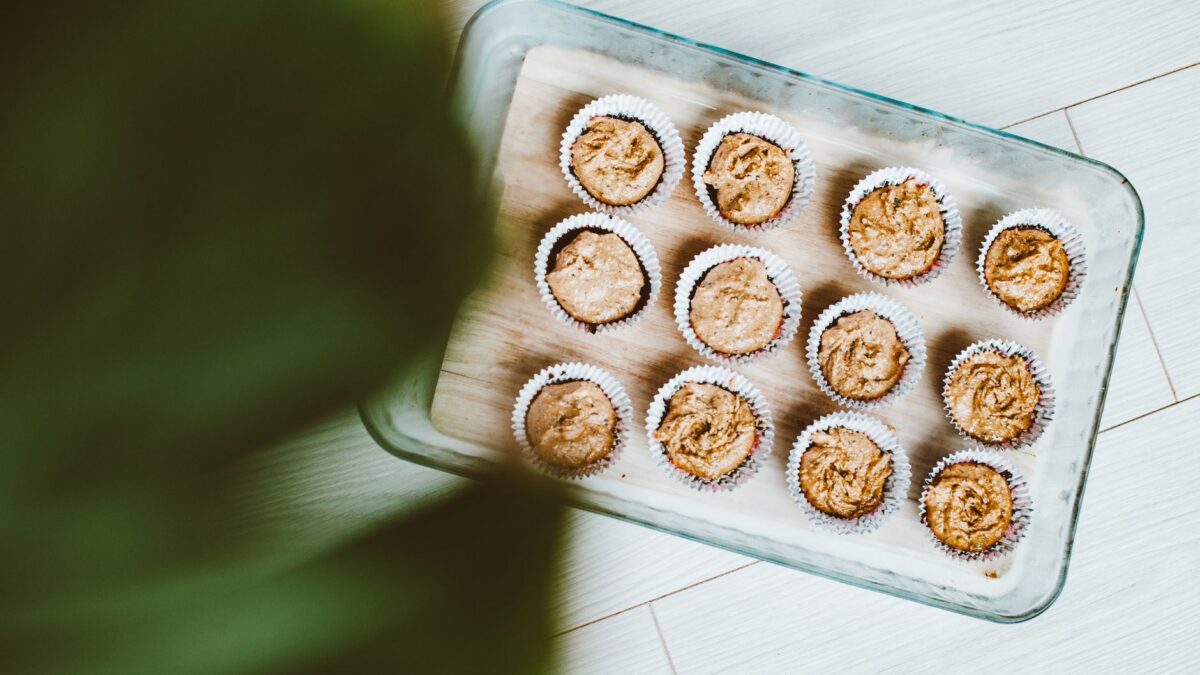
Standard-size muffins take about 20 to 25 minutes at 180°C (350°F) in a conventional oven. In a fan oven set to 180°C they usually bake faster, in about 15 to 20 minutes, because moving air carries heat into the batter more quickly. Mini muffins need roughly half the time of standard ones, and jumbo muffins need 25 to 35 minutes or more.
The ranges are wide because recipes, pans and ovens differ. Start checking at the low end of the range and stop when a toothpick comes out clean.
What is the difference between 180°C fan and 180°C conventional?
A fan oven at 180°C heats food about as hard as a conventional oven at roughly 200°C (400°F), because the fan blows hot air over the batter instead of letting it sit still. This is why many UK and Australian recipes print two settings, such as “180°C, 160°C fan”. The usual rule is to set a fan oven about 20°C (about 25°F) lower than the conventional temperature a recipe gives.
US recipes almost always assume a conventional oven. If a recipe says 350°F and your oven runs with the fan on, set it to about 160°C (325°F) fan, or keep 180°C and expect the muffins to finish several minutes early with darker tops.
How long do different muffin sizes take at 180°C?
Pan size changes the time more than anything else. These ranges are typical for muffin cups filled about two-thirds to three-quarters full:
- Mini muffins: 12 to 15 minutes conventional, 10 to 13 minutes fan.
- Standard muffins: 20 to 25 minutes conventional, 15 to 20 minutes fan.
- Jumbo or Texas-size muffins: 25 to 35 minutes conventional, 22 to 30 minutes fan.
Dense batters with lots of fruit, grated vegetables or yogurt sit at the long end. Light, plain batters finish sooner. For more sizes and cup volumes, see our guide to muffin pan sizes and batter amounts, and the full muffin baking time and temperature chart covers other oven settings.
How do you know when muffins are done?
A muffin is done when a toothpick or thin skewer pushed into the center comes out clean or with a few dry crumbs. Wet batter on the pick means it needs a few more minutes.
Other signs help, especially if you check several muffins at once:
- The tops spring back when pressed lightly with a fingertip.
- The edges have pulled slightly away from the sides of the pan or paper liner.
- The tops are golden and look dry, with no shiny wet spots in the cracks.
- An instant-read thermometer in the center reads about 200 to 210°F (93 to 99°C).
Melted chocolate chips can leave a toothpick smeared even when the crumb is cooked, so test a spot between the chips.
Should you use fan or conventional for muffins?
Both settings make good muffins. Conventional heat rises more slowly, which gives the batter time to lift into a dome before the crust sets. A fan cooks more evenly across several trays and suits batch baking, but it can set and brown the tops early, which sometimes leaves flatter muffins or a slightly dry crust.
Some bakers start muffins hot, at 200 to 220°C (400 to 425°F) conventional for the first 5 minutes, then turn the oven down to 180°C for the rest of the bake. The early burst of heat pushes the batter up quickly for a taller top. If you try this in a fan oven, use the lower fan equivalents and watch the color closely.
Why are my muffins browning before the middle is cooked?
Tops that brown fast while the centers stay raw usually mean the oven is running hot, the fan setting is too high for the recipe, or the pan sits too close to the top element. Try these fixes:
- Lower a fan oven by 20°C, or switch to conventional heat.
- Bake on the middle rack.
- Check the real temperature with an oven thermometer, since many home ovens run 10 to 20 degrees off the dial.
- Lay a loose sheet of foil over the pan for the last few minutes.
- Use a light-colored metal pan; dark pans absorb more heat and brown the bottoms and sides faster.
Do mix-ins and batter type change the time at 180°C?
Moist, heavy batters take longer. Muffins made with fresh or frozen fruit, mashed banana, pumpkin, Greek yogurt or protein powder often need 3 to 5 extra minutes. Frozen berries added straight from the freezer cool the batter and can add a few more minutes on top of that. Recipes such as high-protein muffins with Greek yogurt or muffins made without eggs can also bake differently from a classic batter, so test early and judge by doneness rather than the clock.
Silicone pans conduct heat more slowly than metal, so muffins in silicone may need a few extra minutes and brown less on the sides.
Quick answers
What is 180°C in Fahrenheit for muffins?
180°C is about 356°F, and recipes round it to 350°F. Most standard muffin recipes are written for this temperature in a conventional oven.
Should I lower the time or the temperature in a fan oven?
Lowering the temperature by about 20°C and keeping the recipe time is the most reliable approach. If you keep 180°C fan, start checking 5 minutes before the recipe’s shortest time.
Can I bake two trays of muffins at once at 180°C?
Yes. A fan oven handles two trays well. In a conventional oven, swap the trays between racks about halfway through so both bake evenly, and expect a few extra minutes.
Why did my muffins sink after baking at 180°C?
Muffins usually sink when they come out underbaked, when the oven door is opened too early in the bake, or when the batter has too much leavening. Leave the door shut for the first two-thirds of the baking time and confirm doneness with a toothpick before removing the pan.