How Long to Cook Egg Muffins at 350°F: Times by Pan Size
Egg muffins take 20 to 25 minutes at 350°F in a standard muffin pan. See times for mini and jumbo pans, doneness checks, storage and reheating.
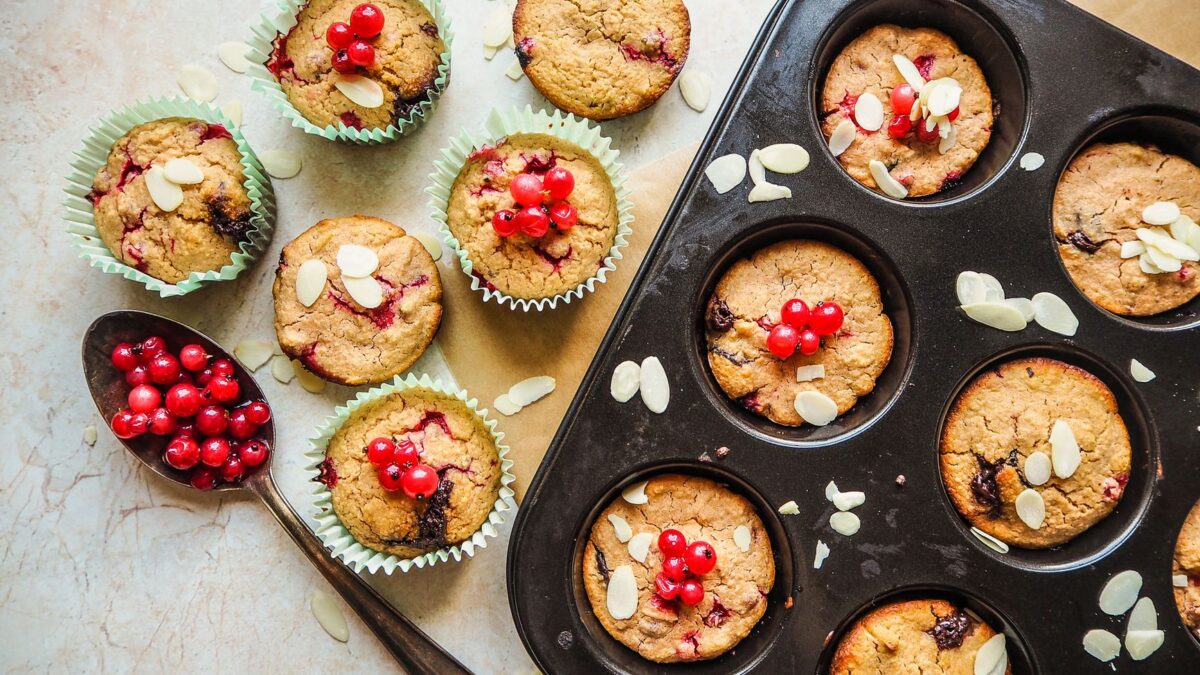
Egg muffins take about 20 to 25 minutes at 350°F (175°C) in a standard 12-cup muffin pan. Mini egg muffins need about 12 to 15 minutes, and jumbo cups need about 25 to 30 minutes. They are done when the centers are set, no liquid egg runs out when you press the top, and a thermometer in the middle reads 160°F (71°C).
How long do egg muffins take at 350°F by pan size?
Cup size sets the bake time more than anything else, because the heat has to reach the center of each cup. Fill cups about three-quarters full and use these ranges as a starting point:
- Mini muffin pan (about 1 to 2 tablespoons per cup): 12 to 15 minutes.
- Standard muffin pan (about 1/4 to 1/3 cup, or 60 to 80 ml, per cup): 20 to 25 minutes.
- Jumbo muffin pan (about 1/2 to 2/3 cup, or 120 to 160 ml, per cup): 25 to 30 minutes.
Start checking at the low end of the range. Ovens run hot or cool, and a full pan of cold fillings straight from the fridge can add a few minutes. The same cup sizes apply to batter muffins, and the muffin baking time chart for mini, standard and jumbo pans shows how those times compare.
How do you know when egg muffins are done?
Egg muffins are done when the tops look matte and set, the edges have pulled slightly away from the pan, and the centers no longer jiggle. Press the middle of one gently: it should spring back, and no wet egg should seep out.
The most reliable check is an instant-read thermometer pushed into the center of a muffin from the side. Dishes made with beaten eggs should reach 160°F (71°C), which is the safe minimum listed by FoodSafety.gov. A knife inserted in the center should also come out clean, without streaks of raw egg.
Egg muffins puff up in the oven and sink a little as they cool. That is normal and does not mean they are underbaked.
Does the type of muffin pan change the time?
Yes. Pan material and color change how fast heat reaches the eggs:
- Dark metal pans absorb more heat and can brown the edges sooner, so check a couple of minutes early.
- Light-colored metal pans bake more evenly and match the standard times above.
- Silicone pans conduct heat more slowly and may need a few extra minutes. Set them on a baking sheet so they do not bend when you lift them full of liquid egg.
- Paper liners tend to stick to egg, so silicone liners or a well-greased pan work better.
The trade-offs between materials are covered in more detail in silicone vs metal muffin pans. Whatever pan you use, grease each cup well with oil, butter or cooking spray, since egg sticks more than batter does.
What goes into egg muffins, and does it affect bake time?
A common base is 1 large egg per standard cup, or about 10 to 12 eggs for a 12-cup pan, beaten with a splash of milk (2 to 4 tablespoons, or 30 to 60 ml, for the whole batch) and a pinch of salt and pepper. Fillings go into the cups first, and the egg mixture is poured over them.
Fillings change the result in a few ways:
- Raw meat should never go into egg muffins. Cook sausage, bacon or ground meat fully first, because 20 minutes in an egg cup is not enough to cook raw meat safely.
- Watery vegetables such as spinach, mushrooms, zucchini and tomatoes release liquid. Sauté them and squeeze or drain them before adding, or the muffins turn soggy and take longer to set.
- Cheese adds flavor and helps hold the muffins together, but a lot of cheese makes them greasy.
- Packing cups with fillings leaves less egg in each cup, so the muffins often set a little sooner.
Leftover cooked chicken works as a filling too. If you are baking it first, the chicken breast baking times by temperature cover each oven setting.
Can you bake egg muffins at a different temperature?
You can, but 350°F (175°C) gives the most even result. At 375°F (190°C), standard egg muffins usually take about 15 to 20 minutes, and the edges can turn rubbery or brown before the centers set. Lower temperatures such as 325°F (165°C) bake more gently but take longer. If you change the temperature, rely on the set center and the 160°F (71°C) reading instead of the clock.
How do you store and reheat egg muffins?
Cool egg muffins on a rack for a few minutes, then lift them out of the pan and let them finish cooling. Refrigerate them within 2 hours of baking, in a covered container lined with a paper towel to soak up moisture. They keep for 3 to 4 days in the fridge.
For longer storage, freeze them in a single layer on a tray, then move them to a freezer bag. They hold their best quality for about 2 to 3 months. Thaw them overnight in the fridge, or reheat them from frozen.
To reheat, microwave one muffin for 30 to 60 seconds (longer from frozen), or warm several in a 350°F (175°C) oven for about 10 to 15 minutes. Leftovers should be reheated until they reach 165°F (74°C) in the center.
Why are my egg muffins rubbery, watery or stuck?
- Rubbery or tough: overbaked or baked too hot. Pull them as soon as the centers set.
- Watery or weeping: vegetables were added raw, or too much milk went into the eggs.
- Stuck to the pan: the cups were not greased enough, or paper liners were used. Let the muffins rest a few minutes, then run a thin knife around each one.
- Flat and dense: the cups were underfilled, or the eggs were not beaten until smooth.
Quick answers
Can I make egg muffins without milk?
Yes. Milk makes them a little softer, but eggs alone set fine. Water or an unsweetened plant milk can stand in for dairy milk in the same amount.
Can I use egg whites only?
Yes. Use about 3 tablespoons (45 ml) of liquid egg whites in place of each whole egg. Egg white muffins set slightly faster, so check them at the low end of the time range.
Should I cover egg muffins while baking?
No. Bake them uncovered so the tops set and any moisture can escape.
Can egg muffins be made without eggs?
Egg muffins depend on eggs to set. For sweet muffins made without eggs, see the eggless muffin recipe and egg swaps instead.