How Long to Bake Chicken Thighs at 375, 400 and 425°F
Bone-in thighs bake in about 30 to 50 minutes and boneless in 18 to 30, depending on oven heat. Get a time chart, doneness temps and fixes.
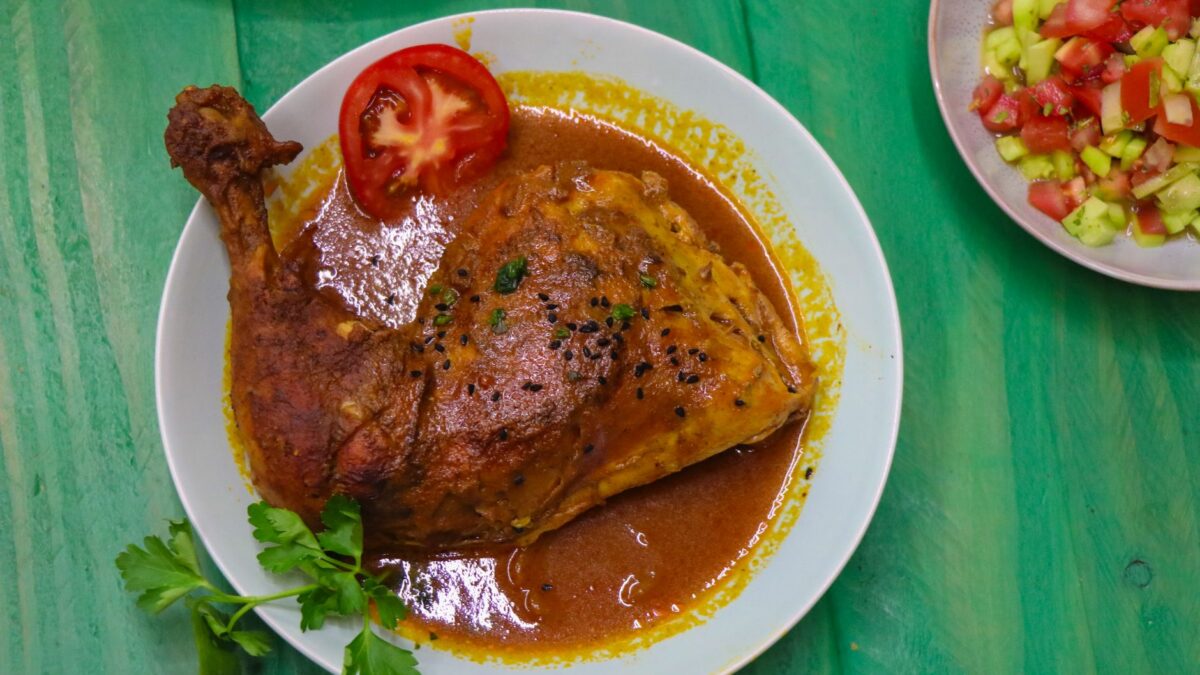
Bone-in chicken thighs usually bake in 30 to 50 minutes between 375°F (190°C) and 425°F (220°C), while boneless thighs take about 18 to 30 minutes. The hotter the oven, the shorter the time. The only reliable test is temperature: chicken is safe at 165°F (74°C) in the thickest part, and thighs taste best when they reach a higher temperature, around 175 to 195°F (80 to 90°C).
Time chart for chicken thighs
These are typical ranges for average-sized thighs placed on a rimmed baking sheet in a preheated oven. Large thighs take longer; small ones take less.
- Bone-in, skin-on at 375°F (190°C): about 40 to 50 minutes.
- Bone-in, skin-on at 400°F (200°C): about 35 to 45 minutes.
- Bone-in, skin-on at 425°F (220°C): about 30 to 40 minutes.
- Boneless, skinless at 375°F (190°C): about 25 to 30 minutes.
- Boneless, skinless at 400°F (200°C): about 20 to 25 minutes.
- Boneless, skinless at 425°F (220°C): about 18 to 22 minutes.
Use these as a guide for when to start checking, not as a promise. Ovens vary, and a cold thigh straight from the fridge takes longer than one that has rested on the counter for a few minutes.
Which temperature should you choose?
375°F (190°C) is gentle and forgiving. It suits thighs in a sauce or with vegetables, but the skin will not get very crisp.
400°F (200°C) is the all-purpose choice. It browns the outside while the inside cooks through, and it works for both bone-in and boneless thighs.
425°F (220°C) gives the crispest skin and the fastest dinner. Watch closely, because boneless thighs can dry out and sugary glazes can burn at this heat.
How to check that thighs are done
Use an instant-read thermometer. Push the tip into the thickest part of the thigh without touching the bone, which reads hotter than the meat around it.
- 165°F (74°C) is the safe minimum for all poultry.
- 175 to 195°F (80 to 90°C) is where dark meat becomes tender, because the connective tissue has time to soften. Thighs are fatty enough to handle this without drying out, unlike white meat. If you are comparing cuts, the guide on how long to bake chicken breast shows why breasts need a lower target.
Juices running clear is a hint, not a test. Color alone can mislead, so rely on the thermometer. If the meat is still pink and the temperature is below 165°F (74°C), return it to the oven and check again in 5 minutes.
Step-by-step method
- Preheat the oven fully to your chosen temperature, with a rack in the middle.
- Pat the thighs very dry with paper towels. Dry skin browns and crisps; wet skin steams.
- Rub with a little oil and season with salt, pepper and any spices you like.
- Place bone-in thighs skin side up, with space between them, on a rimmed baking sheet or in a roasting pan. A wire rack set in the sheet helps air reach the underside.
- Bake for the time in the chart, then check the temperature.
- Rest for 5 to 10 minutes before serving so the juices settle.
Common mistakes and fixes
- Soggy skin: the thighs were wet, crowded or covered. Dry them, spread them out and leave them uncovered.
- Dry boneless thighs: they were too small for the time, or the oven was too hot. Check early and pull them as soon as they pass 165°F (74°C), or let them go a little higher for tenderness.
- Burnt glaze: sauces with sugar, honey or ketchup burn quickly. Brush them on during the last 5 to 10 minutes.
- Pink near the bone: bone-in thighs cook slowest at the bone. Judge by temperature, and cook longer if needed.
- Uneven cooking: mix thighs of similar size, or take smaller ones out first.
Food safety and storage
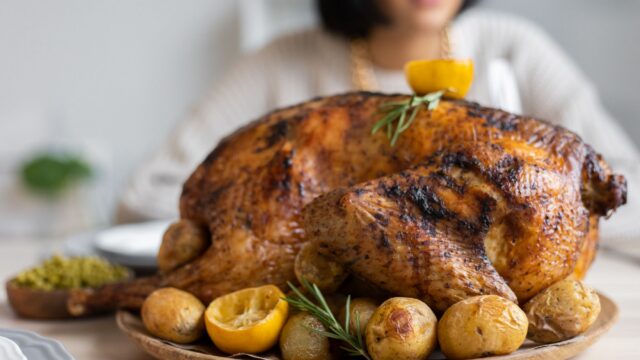
Raw chicken can carry bacteria. Wash your hands, boards and utensils after handling it, and do not rinse the raw meat, which can splash germs around the sink. Refrigerate leftovers within 2 hours and eat them within 3 to 4 days, reheating them until steaming hot. Cooked chicken also freezes well. Arranging thighs on a baking sheet works like a roasting tray for other dishes, much as it does in the method for cooking a turkey.
Quick answers
Should I cover chicken thighs with foil?
Not if you want crisp skin. Covering traps steam. Foil is useful only if the skin is browning faster than the meat is cooking.
Can I bake chicken thighs from frozen?
It is safe if you cook them thoroughly, but they take roughly 50 percent longer and cook unevenly. Thawing in the refrigerator first gives better results. Always confirm 165°F (74°C) at the thickest part.
Do I need to flip the thighs?
No. Bone-in thighs can stay skin side up the whole time. Boneless thighs can be turned once halfway for even color, but it is optional.
What if my thighs are very large?
Add 10 to 15 minutes to the range and start checking the temperature earlier than you think you need to. If you scale a recipe up or down, the advice in halving or doubling a recipe on pan size and bake time applies in a similar way.