Why Do Blueberries Sink in Muffins? Thin Batter, Frozen Berries and the Flour-Toss Question
Sinking berries are a batter problem first. A thick batter, a plain layer in each cup and berries added at the right moment keep them evenly spread.
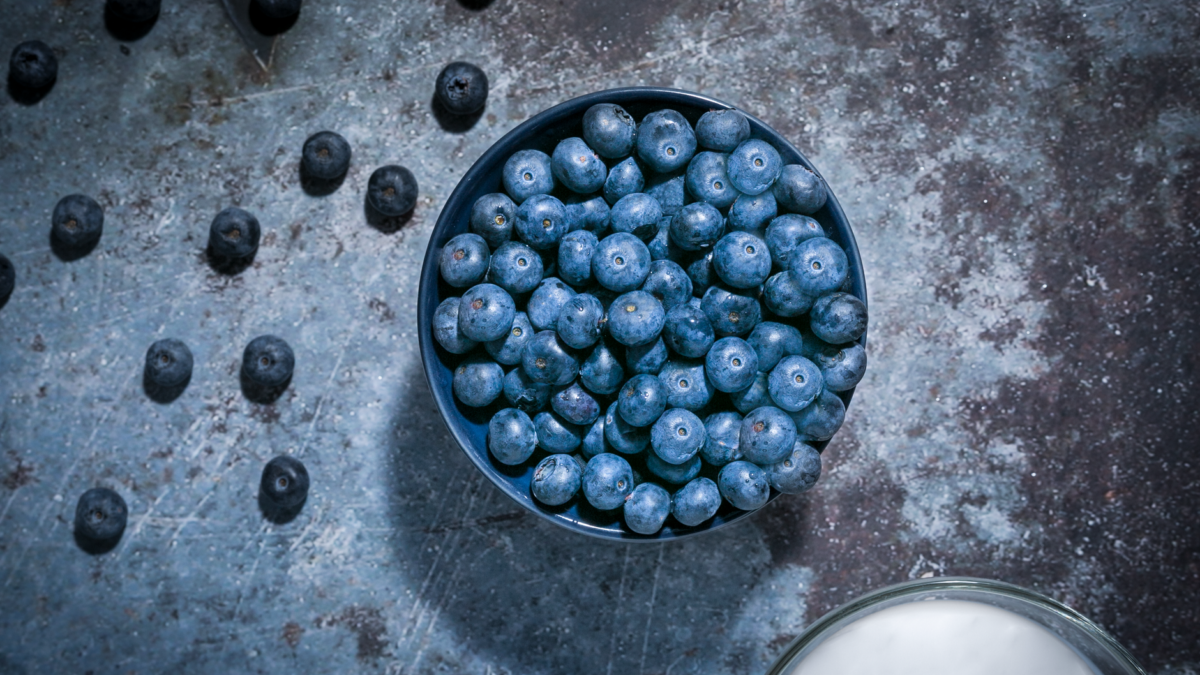
Blueberries sink in muffins mainly because the batter is too thin to hold them up while it is still liquid in the oven. Tossing berries in flour can help a little, but a thick batter matters far more. Adding a spoonful of plain batter to each cup first, and folding berries in at the last moment, keeps them spread through the muffin.
Why berries sink
Blueberries are denser than most muffin batter. While the batter is cold and thin, gravity pulls them down; in the oven, the batter becomes even more fluid for a few minutes as fats melt and sugar dissolves, and berries can slide further before the crumb sets around them. The thicker and more viscous the batter, the more it resists that sinking. A thin, pourable batter lets nearly every berry drop to the base, where its juice can also make the bottom soggy.
Cause → fix table
| Problem | Likely cause | Fix |
|---|---|---|
| Berries all at the bottom | Thin batter | Measure flour accurately; use a thick, scoopable batter |
| Berries sink in the last few muffins | Batter sat while you filled cups | Fill cups quickly; fold berries in just before scooping |
| Purple-gray batter | Frozen berries thawed or overmixed | Add frozen berries straight from the freezer; fold gently |
| Wet, streaky pockets | Burst berries releasing juice | Use smaller berries; avoid crushing them |
| Berries crowded together | Too many berries for the batter | Keep to about 1 to 1½ cups for a 12-muffin batch |
The flour-toss tip: helpful, but not the main fix
Many recipes say to toss berries in a spoonful of flour so they “grip” the batter. A light coating can absorb a little surface moisture and slightly slow sinking, and it does no harm if you use flour taken from the recipe’s measured amount. But a coat of flour cannot make a berry lighter, and in a thin batter, floured berries still sink. Bakers who see good results with flour-tossing are usually working with a batter that was thick enough already.
If you want to try it, use about 1 tablespoon of the recipe’s flour per cup of berries, and shake off the excess. With frozen berries, the flour can also clump around ice crystals, so keep it light.
What actually keeps berries suspended
- Start with a thick batter. Measure flour accurately (King Arthur’s chart uses 120 g per cup of all-purpose flour). The batter should hold soft peaks on a spoon rather than pour like pancake batter.
- Mix the batter first, berries last. Using the muffin method, fold wet into dry until almost combined, then add berries and fold just two or three more times.
- Layer the cups. Put a spoonful of plain batter in the bottom of each cup, then add the berry batter on top. This creates a base layer the berries cannot sink through.
- Save some berries for the top. Press a few into the surface of each filled cup so the tops look full even if some berries settle.
- Bake promptly in a fully preheated oven so the batter begins to set quickly.
Fresh vs frozen blueberries
| Fresh | Frozen | |
|---|---|---|
| Sinking | Less likely in a thick batter | Similar, but thawing releases juice that thins the batter |
| Color bleeding | Minimal if folded gently | More, especially if thawed |
| Prep | Rinse, dry well, remove stems | Do not thaw; optionally rinse frozen berries quickly in cold water and pat dry to reduce streaking |
| Bake time | As written | Often a few minutes longer, because the cold berries cool the batter |
| Weight | King Arthur lists 140–170 g per cup for fresh or frozen blueberries |
Smaller wild blueberries are easier to suspend and distribute than large cultivated berries, and they burst less.
Stopping blue streaks and green spots
Purple streaks come from berry juice mixing into the batter, which happens when berries thaw, burst or are stirred too much. Fold gently and quickly. Greenish tints around berries can appear in batters that contain a lot of baking soda, because blueberry pigments change color in alkaline conditions. This is a harmless color change; keeping baking soda to the recipe’s amount and including an acidic ingredient like buttermilk or yogurt reduces it.
Food-safety note on frozen berries
Commercially frozen berries are a raw product. When they are baked into muffins, they are cooked along with the batter. If you plan to use frozen berries in a no-bake recipe such as a smoothie bowl or topping, follow the package directions. As always, avoid tasting raw muffin batter; the FDA advises against eating raw batter and dough.
Bottom line
Berries sink through thin batter. Make the batter thick, add berries at the very end, layer plain batter in the bottom of the cups and use frozen berries straight from the freezer. The flour toss is optional. If you are ready to bake, our blueberry muffin recipe uses a thick, standard batter, and soggy muffin bottoms covers what to do if juice collects at the base.
FAQ
Should I thaw frozen blueberries before baking?
No. Add them frozen, at the last moment, so they release less juice into the batter. Expect a slightly longer bake.
Does tossing blueberries in flour work?
It helps a little in an already thick batter. In a thin batter, floured berries still sink. Batter thickness is the bigger factor.
How many blueberries should go in a batch of 12 muffins?
Many standard recipes use about 1 to 1½ cups. More than that can weigh down the batter and make it wet.
Why did my blueberry muffins turn green?
Blueberry pigments can turn greenish in batters with a lot of baking soda. It is harmless and affects only color.