Is Raw Flour Safe to Eat? What the FDA and CDC Say About Raw Dough and Batter
Most people worry about raw eggs in cookie dough, but the flour carries its own risk. Here is why, and what to do instead of licking the bowl.
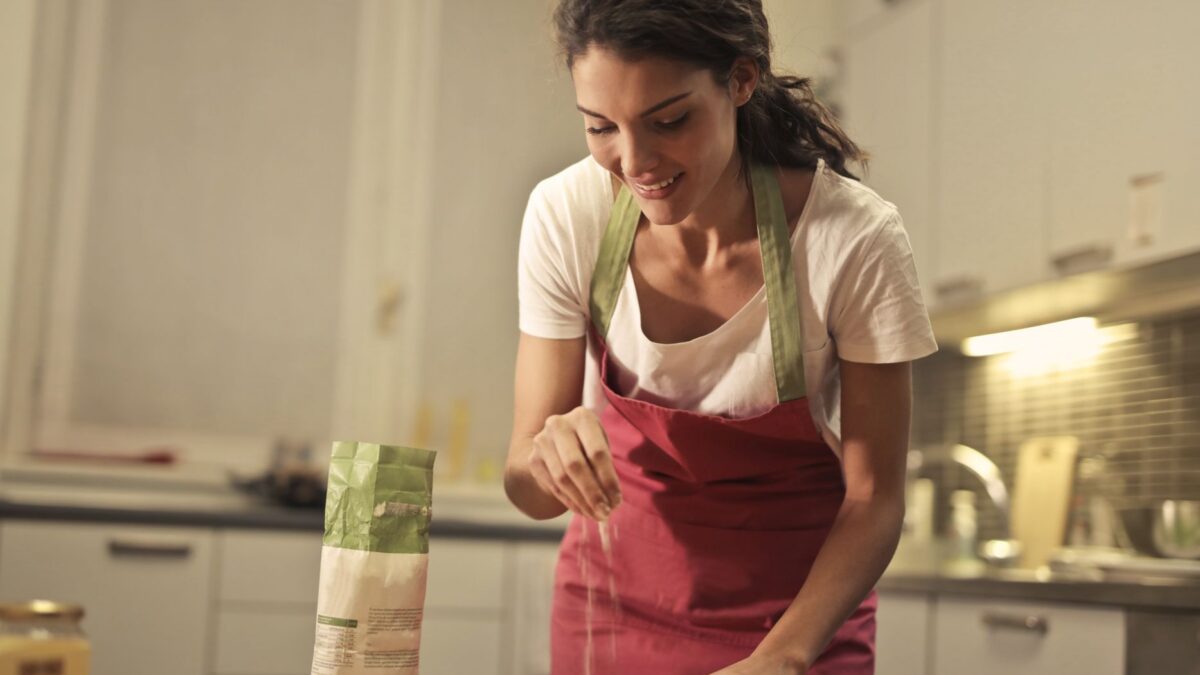
No. Ordinary flour is a raw agricultural product that has not been treated to kill germs, and it can carry harmful bacteria such as E. coli and Salmonella. The U.S. Food and Drug Administration and the Centers for Disease Control and Prevention both advise: never eat or taste raw flour, dough or batter, even if it contains no eggs. Baking or cooking is what makes flour safe.
Why flour can make you sick
Wheat and other grains are grown outdoors, where they can be contaminated by animal waste, soil or water before harvest. According to the CDC, steps like grinding grain and bleaching flour do not kill harmful germs, and contamination can happen in the field or during milling. The FDA puts it plainly in its guide to handling flour safely: processing raw grains into flour does not kill harmful bacteria.
This is not a theoretical risk. The CDC has investigated outbreaks linked to raw flour or cake mix in 2016, 2019, 2021 and 2023, several of which led to recalls. The 2016 outbreak, traced by the FDA to flour from a major U.S. brand, involved Shiga toxin-producing E. coli.
Illness from these bacteria commonly causes stomach cramps, diarrhea and vomiting. Some E. coli infections can lead to a serious kidney complication called hemolytic uremic syndrome, particularly in young children. Children, older adults, pregnant people and anyone with a weakened immune system are more likely to become seriously ill. If you have severe or bloody diarrhea, a high fever or signs of dehydration, contact a doctor.
Raw dough has two risks, not one
| Ingredient | Main concern | What makes it safe |
|---|---|---|
| Raw flour | E. coli, Salmonella | Baking or cooking; commercially heat-treated flour |
| Raw eggs | Salmonella | Cooking to a safe temperature; pasteurized eggs |
| Cake and baking mixes | Contain raw flour | Baking as directed |
That is why “eggless” cookie dough made with ordinary flour is still not considered safe to eat raw. For the egg side of the story, see raw eggs in baking.
What the FDA and CDC recommend
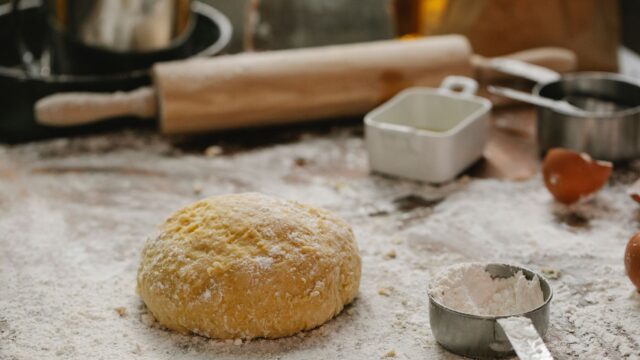
- Do not taste or eat raw dough or batter, whether for cookies, muffins, cakes, pizza, tortillas or bread.
- Do not let children play with raw dough, including homemade play dough and holiday ornament dough made with raw flour.
- Do not add raw homemade cookie dough to ice cream or milkshakes, and do not use raw flour or cake mix in no-bake treats.
- Bake or cook dough and batter according to the recipe or package directions for temperature and time.
- Keep raw flour and eggs away from ready-to-eat foods. Flour is a powder and spreads easily across counters and onto other food.
- Wash your hands with soap and running water after handling flour, raw eggs or dough, and clean bowls, utensils and counters with hot, soapy water.
- Refrigerate store-bought cookie dough as the label directs.
- Check recalls. Throw away any recalled flour or baking mix.
Is “edible” cookie dough safe?
Store-bought products sold as ready to eat are made differently. The CDC notes that some are made with heat-treated flour and pasteurized eggs or no eggs. Read the label: a product meant to be eaten without baking will say so. Tubs and logs of regular refrigerated cookie dough are meant to be baked.
What about heat-treating flour at home?
Many recipes online describe heating flour in the oven or microwave before making edible dough. The FDA does not recommend this: it advises that home heat-treating methods may not kill all bacteria and do not make flour safe to eat raw. Ovens and microwaves heat unevenly, and a thermometer reading in one spot does not guarantee every particle reached a killing temperature. If you want edible dough, buy a product labeled ready to eat, or make a recipe that uses commercially heat-treated flour sold for that purpose.
Safe habits for everyday baking
- Taste after baking, not before. If you are unsure about sweetness or salt, bake one test muffin or cookie and adjust the rest of the batch.
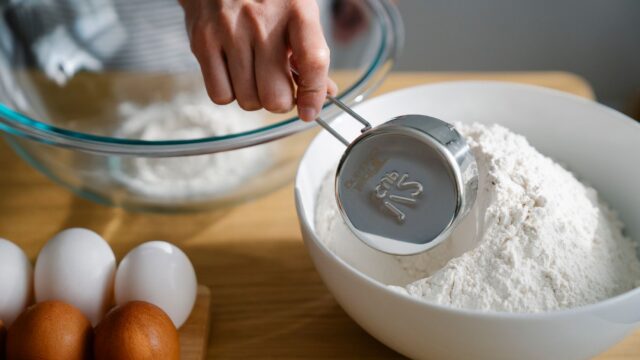
- Measure carefully to avoid flour clouds. Spoon flour gently into the cup or weigh it straight into the bowl; see how to measure flour.
- Clean as you go. Wipe flour dust from counters before preparing salads, fruit or other foods that will not be cooked.
- Use separate spoons for stirring batter and for anything you put in your mouth.
- Store flour in a sealed container and keep the package information (brand, lot and best-by date) so you can check it against a recall.
- Supervise kids when they help in the kitchen. Give them baked treats to decorate rather than raw dough to snack on.
Is baked flour always safe?
Thorough baking is what kills the bacteria, so follow recipe times and doneness cues. Very underbaked centers, such as raw-middle brownies or gooey “underbaked” cookies, carry some of the same risk as raw dough. Bake until the recipe’s doneness test is met: a toothpick that comes out clean or with moist crumbs, set edges, or a center that springs back.
Bottom line
Raw flour is a raw food. Bake it before you eat it, keep it away from ready-to-eat foods, wash up after handling it, and leave the bowl-licking behind. If you want cookie dough by the spoonful, choose a product labeled ready to eat.
FAQ
Is it safe to eat raw cookie dough without eggs?
No. The flour itself can carry E. coli and Salmonella. The FDA and CDC advise against eating any raw dough or batter.
Can I heat flour in the microwave to make it safe?
The FDA does not recommend it, because home methods may not kill all bacteria. Buy flour or dough that is labeled heat-treated or ready to eat instead.
Is whole wheat or organic flour safer?
No. Any untreated flour, organic, bleached, unbleached or whole grain, is a raw product with the same kind of risk.
Is play dough made with flour safe for kids?
The CDC advises against letting children play with or eat dough made with raw flour, including homemade play dough.