Quick Bread Cracked on Top? Normal Splits vs. Real Problems
A lengthwise crack on top of quick bread is normal and means good oven spring. Learn when a split signals too much heat, flour or leavening, and how to fix it.
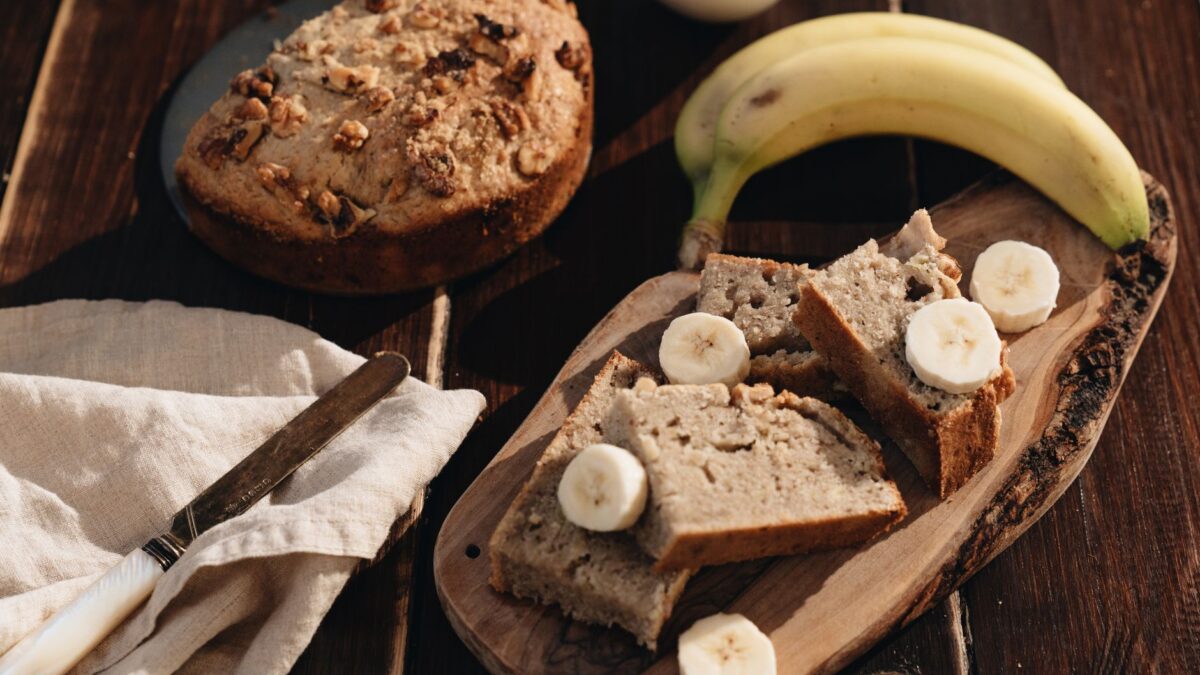
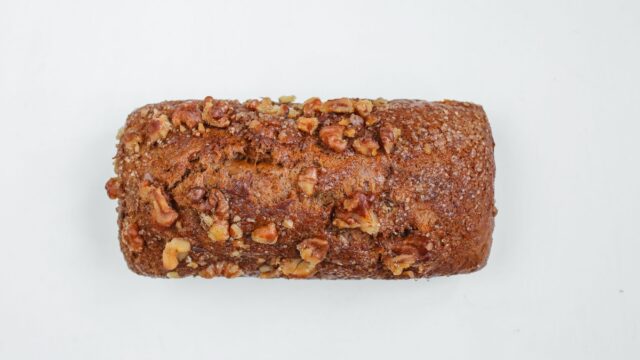
A single crack running lengthwise down the top of a quick bread is normal. Banana bread, pumpkin bread and zucchini bread all split this way because the outside sets while the batter underneath is still rising. A crack becomes a problem only when it comes with a gummy center, a sunken middle, a dark crust or a dry, crumbly slice.
Why does quick bread crack on top?
Quick bread cracks because the surface of the loaf sets before the inside has finished expanding. Heat reaches the edges of the pan first. The crust firms up, the batter in the middle keeps rising from steam and from the gas that baking powder or baking soda releases, and the pressure pushes through the weakest line in the crust. In a loaf pan, that line is usually down the center.
This is the same mechanism that makes a loaf of yeast bread burst along the top. It is not a sign of an underbaked or ruined loaf. Many bakers treat the split as the mark of a well-risen quick bread, and some deliberately score the top with a butter knife to control where it opens.
When is a cracked top normal?
A crack is normal when the rest of the loaf looks and tests right. Check these points:
- The crack is one clean split, or a few shallow ones, along the center.
- The crust is golden to deep brown, not nearly black.
- A toothpick or skewer pushed into the center comes out clean or with a few moist crumbs, not wet batter.
- The slices are tender and evenly crumbed, with no wet streaks.
If all four are true, the loaf is fine. Cracks are mostly cosmetic, and a drizzle of glaze or a dusting of powdered sugar covers them if appearance matters.
When is a cracked top a problem?
A crack is a warning sign when it appears next to other defects. Look for these combinations:
- Deep, wide crack with a raw center: the oven is too hot, so the crust set far ahead of the inside.
- Crack plus a sunken middle: the loaf rose fast, then collapsed, usually from too much baking powder or soda, or from opening the oven door early.
- Crack plus a tough, dry crumb: too much flour, often from scooping the cup straight into the bag, or overmixing.
- Many small cracks and a hard, dark crust: the oven runs hot, or the pan is dark metal, which absorbs more heat.
How do you prevent a deep or ugly crack?
Start with the oven. Most quick breads bake at 325°F to 350°F (160°C to 180°C). Oven dials are often inaccurate, so an inexpensive oven thermometer shows whether yours runs hotter than the setting. If it does, lower the setting to match.
Then check the other causes one at a time:
- Measure flour by spooning it into the cup and leveling it, or weigh it. Packed flour makes a stiffer batter that splits more and bakes dry.
- Use the leavening the recipe calls for. Extra baking powder or soda makes a loaf rise too fast, then fall.
- Mix wet and dry ingredients only until no dry flour shows. Overmixing builds gluten, and a tight batter tends to tear on top.
- Use the pan size the recipe names. A common loaf pan is 9 x 5 inches (23 x 13 cm). A smaller pan makes a taller loaf that cracks more.
- If the top browns well before the center is done, tent the loaf loosely with foil for the rest of the bake.
Leave the oven door closed for the first half of the bake. A burst of cool air can make a rising loaf drop.
Does altitude change how quick bread cracks?
Yes. Lower air pressure at high elevation lets batters rise faster and farther, which can lead to bigger splits and a collapsed center. Recipes usually need less leavening and sometimes more liquid there. The guide to high-altitude baking adjustments covers the changes for muffins, quick breads and cakes. The same crust-versus-center logic applies to layer cakes, which is explained in why cakes dome and crack on top.
Quick answers
Is a cracked banana bread underbaked?
Not necessarily. Test the center with a toothpick. If it comes out clean or with a few moist crumbs, the loaf is baked through, whatever the top looks like. Wet batter on the pick means more time is needed.
Should I cut the crack on purpose?
You can. Running a buttered knife down the center of the batter before baking directs the split into a tidy line. Some bakers do this for a more even look, and it does not change the crumb.
Can I fix a cracked loaf after baking?
The crack cannot be closed, but a glaze, cream cheese frosting or powdered sugar hides it. If you want to save a loaf for later, freezing muffins and quick breads works the same way for whole loaves, wrapped well.