How to Prevent a Soggy Bottom Pie Crust: Blind Baking and Pan Choice
Stop a soggy pie bottom by blind baking, using the lower oven rack and picking a metal or glass pan. Fixes for fruit, custard and pumpkin pies.
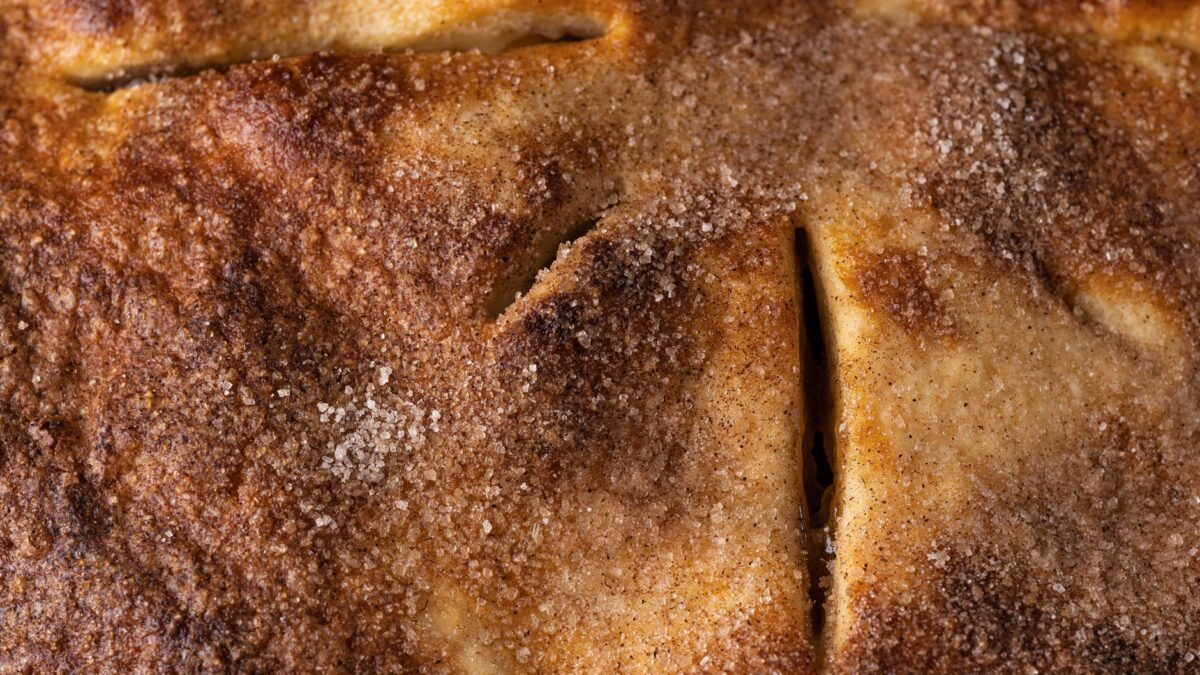
A pie crust turns soggy on the bottom when moisture from the filling soaks into dough that has not yet set or browned. Three habits prevent most cases: blind baking the shell before filling it, baking the pie on a low oven rack in a fully preheated oven, and choosing a pan that conducts heat well, such as metal or heat-resistant glass. All three work on the same cause, a bottom crust that does not get hot enough, fast enough.
Why does the bottom of a pie turn soggy?
Pie dough is mostly flour and butter. Heat sets the starch and drives off water, which leaves a dry, crisp layer. Wet fillings such as fruit, custard and pumpkin put water on the crust the moment they go in, and the bottom of the pan heats more slowly than the top of the pie. If the dough is still raw when the liquid arrives, it absorbs the moisture and turns gummy.
The usual causes are:
- a shell that went into the oven unbaked under a very wet filling
- hot or runny filling poured into the crust
- an oven that was not fully preheated
- a pie baked too high in the oven, away from the bottom heat
- a pan that heats slowly
- a pie cut before it cooled, or left in a covered container while still warm
Which pies need blind baking?
Custard, pumpkin and quiche-style fillings bake fast and sit wet against the crust, so the shell benefits from a head start. Cream and no-bake fillings need a fully baked shell because the filling never goes in the oven at all. Double-crust fruit pies are usually not blind baked. They rely on a hot lower rack and a well-thickened filling, which the apple pie guide on this site covers in detail: see best apples, thickening and avoiding a soggy bottom.
How do I blind bake a pie crust?
Blind baking means baking the empty shell before the filling goes in. The full method, with weights, temperatures and times, is in the blind baking guide. The short version:
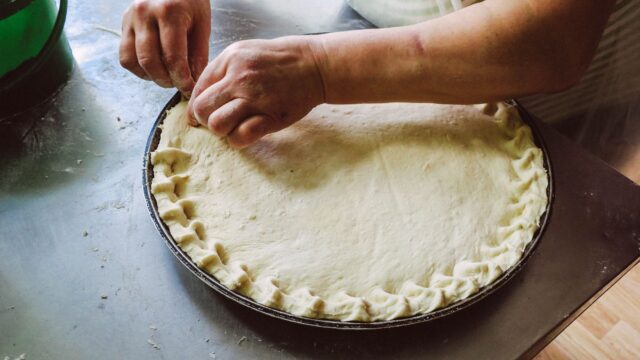
- Chill the shaped crust in its pan until firm, about 30 minutes, so the butter stays cold and the sides hold their shape.
- Heat the oven to about 400°F (200°C) and let it come fully to temperature.
- Line the shell with parchment and fill it with pie weights, dried beans or uncooked rice, pressing the weights into the corners.
- Bake for 15 to 20 minutes, until the edges look set.
- Lift out the parchment and weights. Bake another 5 to 10 minutes for a partly baked shell, or longer, until golden, for a fully baked one.
- While the crust is still hot, brush the inside with a thin coat of beaten egg to seal it, and return it to the oven for a minute or two.
Fork holes in the base also let steam escape, but weights do the same job, so many bakers skip pricking when they use them.
Where should the oven rack go?
Put the rack in the lower third of the oven. The bottom crust then sits closer to the heat source in most home ovens and browns before the filling soaks it. Preheat the oven for at least 20 minutes, and set the pie on a baking sheet or baking stone that heated along with it. That hot surface starts cooking the base right away.
A low rack can brown the edges faster than the middle. If that happens, shield them with strips of foil or a pie shield, as described in the guide to stopping pie crust edges from burning.
Which pan is best for a crisp bottom?
- Light-colored or dark metal (usually aluminum or steel) conducts heat quickly and browns the base well. Dark metal browns fastest.
- Heat-resistant glass heats more slowly but holds heat once hot, and it lets you see the color of the bottom crust, which makes doneness easy to judge.
- Ceramic and stoneware heat slowly and often need extra time, so check the underside of the crust before assuming it is done.
- Disposable foil pans heat quickly but are flimsy. Set them on a baking sheet for support and extra bottom heat.
What else keeps the bottom crust crisp?
Pan and oven setup are half the work. The filling and the dough matter too.
- Thicken fruit fillings with cornstarch, flour or tapioca, and let the filling cool before it goes into the shell.
- Toss cut fruit with sugar and let it sit, then drain off the juice before filling the pie.
- Do not pour hot custard into a cold shell, or cold filling into a very hot one that you cannot control. Warm fillings in a warm, baked shell give the most even result.
- Keep the dough cold until it bakes. Cold butter creates steam pockets that make the crust flaky and less dense, as explained in the all-butter pie crust guide.
- For a very juicy pie, sprinkle a thin layer of fine dry breadcrumbs or crushed cookies over the base before adding the filling.
- Cool the finished pie on a wire rack, not on a solid surface, so steam escapes from underneath instead of condensing on the crust.
Egg-based pies, such as custard and pumpkin, are done when the center reaches 160°F (71°C), which is the safe temperature for egg dishes in USDA Food Safety and Inspection Service guidance. Pulling the pie too early to protect the crust leaves the filling undercooked.
Quick answers
Can I fix a soggy bottom after the pie is baked?
Sometimes. Slide the pie back onto a preheated baking sheet on the lowest rack at about 375°F (190°C) and bake it uncovered for 10 minutes or so. This dries the crust a little but will not fully recrisp a crust that never set.
Do I need to blind bake a graham cracker crust?
A short bake firms a crumb crust and helps it hold a wet filling. Ratios and timing for baked and no-bake versions are in the graham cracker crust guide.
Why did my crust shrink while blind baking?
Dough that was overworked, stretched into the pan or baked without chilling pulls back from the sides. The causes and fixes are in the guide on why pie crust shrinks.