All-Butter Pie Crust From Scratch: Mixing, Chilling and Rolling Tips
A classic all-butter pie crust with exact amounts, plus how to mix, chill and roll it, and the fixes for a tough, shrinking or soggy crust.
A good all-butter pie crust comes from cold butter, a light hand with water and plenty of chilling. The classic ratio is about 2½ cups (315 g) flour to 1 cup (226 g) cold butter and 6-8 tablespoons (90-120 ml) ice water, enough for a double-crust 9-inch (23 cm) pie. Tough crusts come from overworked dough, and shrinking crusts come from dough that was stretched or not rested.
Ingredients
- 2½ cups (315 g) all-purpose flour
- 1 tablespoon (12 g) sugar (optional for savory pies)
- 1 teaspoon (6 g) fine salt
- 1 cup (2 sticks, 226 g) cold unsalted butter, cut into ½-inch (1 cm) cubes
- 6-8 tablespoons (90-120 ml) ice water
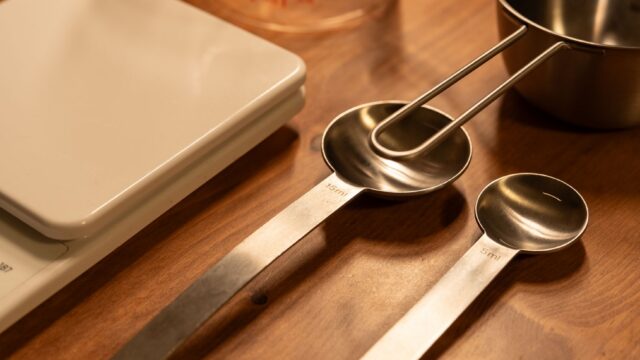
Use a measuring scale when you can. Flour packed into a cup can weigh noticeably more than flour spooned in, and that changes how much water the dough needs. If you only have cups, the cups to grams converter helps you check amounts.
Steps
- Chill the butter cubes for 15-30 minutes in the freezer. Keep the water in a glass with ice.
- Whisk the flour, sugar and salt in a large bowl, or pulse them in a food processor.
- Add the butter. Cut or pulse it in until you have pieces ranging from pea-sized to flat flakes about the size of a nickel. Do not make a uniform crumb, since larger bits of butter make flaky layers.
- Sprinkle 6 tablespoons (90 ml) of ice water over the mixture. Stir or pulse briefly.
- Squeeze a handful. If it holds together, it is ready. If it crumbles, add water 1 tablespoon at a time.
- Turn it onto a counter, gather it and divide into two portions. Press each into a flat disk about 1 inch (2.5 cm) thick and wrap well.
- Chill for at least 1 hour, or up to 2 days in the refrigerator.
- Let the disk sit at room temperature for 5-10 minutes until it bends without cracking.
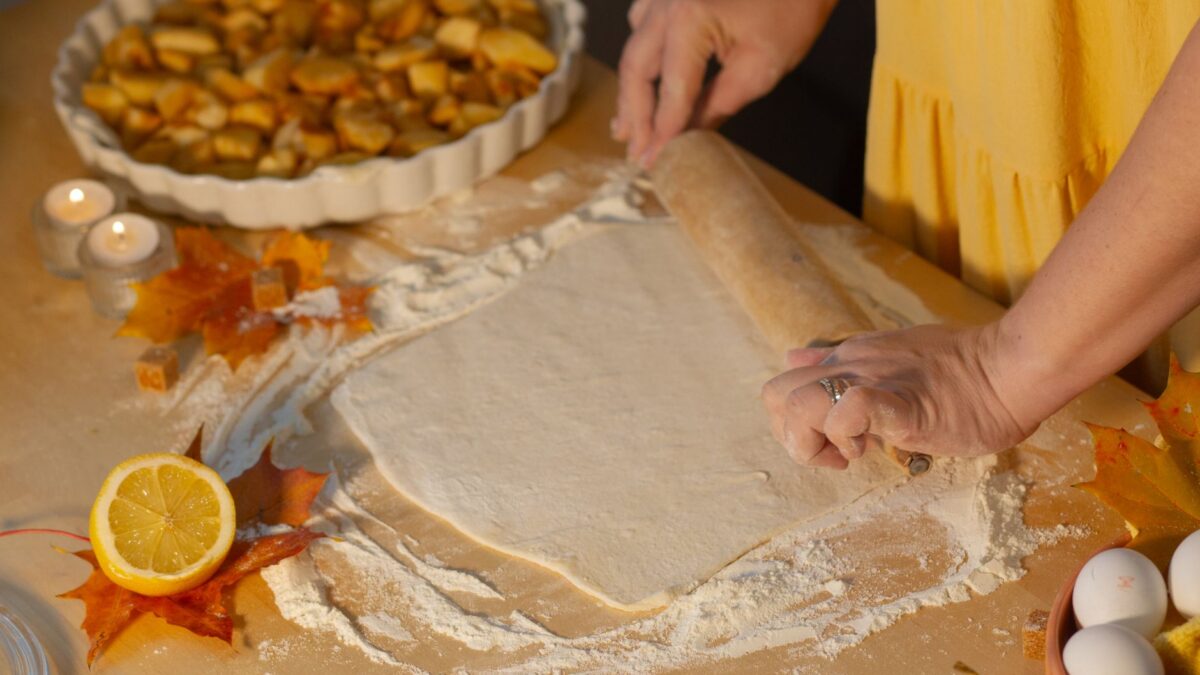
- Roll on a lightly floured surface from the center outward, turning a quarter turn every few passes, to a circle about 12 inches (30 cm) across and ⅛ inch (3 mm) thick.
- Fold the dough in half or roll it loosely around the rolling pin and lift it into the pan. Ease it into the corners without stretching.
- Trim, leaving about 1 inch (2.5 cm) of overhang, tuck under and crimp. Chill the lined pan for 30 minutes before baking.
Why chilling matters
Cold butter stays in solid pieces until the oven heat hits. As it melts, steam lifts layers of dough apart, and that gives you flakiness. Chilling also lets gluten relax. Gluten is the protein network that forms when flour meets water and gets worked, and a relaxed network shrinks less. For background, see what gluten does in baking.
Avoiding a tough crust
- Add only as much water as the dough needs. Too much water builds gluten and makes a chewy crust.
- Stop mixing as soon as the dough holds together. Visible streaks of butter are fine.
- Roll with firm, even strokes and avoid re-rolling scraps more than once.
- Use all-purpose flour for a balance of tenderness and strength. High-protein bread flour tends to make a tougher crust.
Avoiding a shrinking crust
- Do not stretch the dough to fit the pan. Lay it in and press gently into the corners.
- Leave an overhang and tuck it under to build a thick edge that resists slumping.
- Chill the lined pan before it goes into the oven.
- For a pre-baked shell, line it with parchment, fill with pie weights or dried beans and bake at 400-425°F (200-220°C) for 15-20 minutes. Then remove the weights and bake a few minutes more until pale gold.
Variations
- Part shortening: replacing a quarter of the butter with shortening makes a slightly more tender dough, though the flavor is less buttery.
- Vodka or vinegar: replacing a little of the water is a common trick to limit gluten formation. It is optional.
- Sweet crust: add 2 tablespoons (25 g) sugar for fruit and custard pies.
- Salted butter: if you use it, cut the salt in the recipe to ½ teaspoon (3 g).
If you are out of butter, the article on butter substitutes for baking explains what works and what changes. Note that substitutes alter flakiness and flavor.
Storage and troubleshooting
Wrapped dough keeps in the refrigerator for up to 2 days and in the freezer for up to 3 months. Thaw it overnight in the refrigerator. A baked pie with a custard or egg filling should be refrigerated. Many fruit pies are fine at room temperature for a day, but check the filling’s guidance.
- Dough cracks when rolling: it is too cold or dry. Rest it for a few minutes, or patch gaps with a little water.
- Dough sticks: it has warmed up. Slide it onto a tray and chill for 15 minutes.
- Soggy bottom: bake on a lower rack, preheat a baking sheet under the pie, or partly pre-bake the shell.
- Greasy crust: the butter melted before baking. Keep everything cold and work quickly.
Quick answers
Can I make pie dough ahead?
Yes. Wrap the disks tightly and refrigerate for up to 2 days, or freeze for up to 3 months.
Why did my crust shrink?
Usually because the dough was stretched into the pan, overworked or not rested. Chill the lined pan before baking.
Can I use a food processor?
Yes. Pulse in short bursts and stop while the butter is still in visible pieces. Finish the dough by hand.
Does the dough work for cookies and bars?
It is built for pies. For a firmer base, try the shortbread crust used in pecan pie bars.