Silicone vs Metal Muffin Pans: Browning, Release, Stability and Oven Safety
Metal and silicone muffin pans bake differently. Here is what changes in the oven and when each one makes sense.
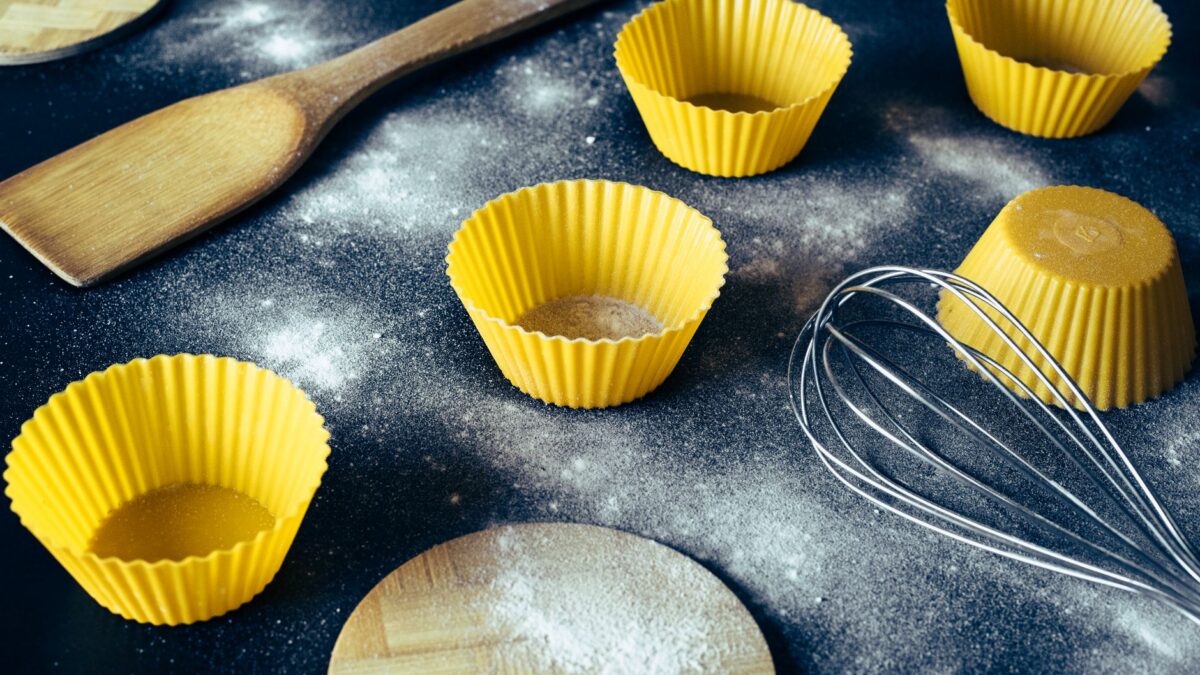
Metal muffin pans give better browning, crisper sides and taller domes because metal moves heat into the batter quickly. Silicone pans release muffins easily and store flat, but they heat slowly, so muffins bake paler and softer and may need a few extra minutes. For everyday muffins, metal is the safer default; silicone suits low-mess baking, mini muffins and freezer-friendly batches.
Below is what changes in each part of the bake, plus the safety and care points that matter for each material.
How the two materials handle heat
Metals such as aluminum and steel are good heat conductors. When a cold batter hits a hot metal cup, the outside sets fast, the leavening gets a quick push of heat and the top rises into a dome. Silicone is a rubber-like polymer and an insulator by comparison. It warms gradually and passes heat to the batter more slowly, so the crust forms later and stays lighter.
Neither result is wrong. A pale, tender-sided muffin can be pleasant, and silicone is handy for egg bites or snacks for small children. But if you want the golden, crisp-edged bakery look, metal makes it easier.
Side-by-side comparison
| Factor | Metal (aluminum, aluminized steel) | Silicone |
|---|---|---|
| Browning | Even and golden; faster in dark pans | Pale sides and bottoms |
| Rise and domes | Good, especially with a hot start | Often lower, flatter tops |
| Bake time | As written in most recipes | Often a few minutes longer |
| Release | Needs grease, liners or nonstick coating | Peel or pop out; light greasing still helps |
| Stability | Rigid; easy to move full | Floppy; needs a baking sheet under it |
| Temperature limit | Uncoated metal: fine at normal baking temperatures; coatings have a stated maximum | Manufacturer’s stated maximum; check the label |
| Cleaning | Easy, but coatings scratch | Can hold greasy film; needs hot soapy water |
| Storage | Takes shelf space | Folds or stacks flat |
| Lifespan | Many years if not warped or scratched | Long if not cut or overheated |
Browning and texture
The biggest difference you will notice is color. Muffins from metal pans have a firm, golden shell that helps them hold their shape. Muffins from silicone tend to be soft all over, with lighter bottoms. Rich, sugary batters such as banana or chocolate brown well enough either way; lean batters such as corn or bran show the contrast more.
If you like silicone but want more color, place the silicone pan on a preheated metal baking sheet. The sheet adds bottom heat and makes the pan easier to carry.
Rise and dome
Tall muffin tops come from thick batter, well-filled cups and a burst of early heat. Silicone weakens that early burst. A hot start, for example 425°F (220°C) for the first few minutes then lower, works best in metal. You can read more about the technique in how to get tall muffin tops.
Release and sticking
Silicone’s main appeal is release: once cooled for a few minutes, you push the bottom of each cup and the muffin pops out. Low-fat batters can still cling, so a light film of oil or butter helps. With metal, grease the cups well or use liners; nonstick coatings release most reliably. For liner choices, see the muffin liners guide.
In both pans, let muffins rest briefly before unmolding, then move them to a rack. Leaving muffins in either pan too long traps steam underneath; see why muffins get soggy bottoms.
Stability and handling
A filled silicone pan bends when you lift it, which can slosh batter or crack tops. Always set it on a rigid baking sheet before filling and move the sheet, not the pan. Individual silicone cups have the same issue; line them up on a sheet pan.
Oven safety and limits
- Silicone: food-grade silicone bakeware is made for oven use, but each product has its own maximum temperature. Look for it on the packaging or stamped on the pan, and stay below it. Keep silicone away from direct flame, broiler elements and stovetop burners.
- Nonstick coatings on metal: also carry a maximum temperature from the manufacturer. Avoid broiling and long empty preheats.
- Uncoated metal: handles any normal home baking temperature.
- Odor or residue: a new silicone pan may smell faintly at first. Wash it before first use. If a pan stays sticky, smells strongly when hot or starts to tear, replace it.
Bake time adjustments
Start with the recipe’s time. For silicone, check at the stated time and expect to add about 2 to 5 minutes. Use the same doneness cues for both: a toothpick in the center comes out clean or with a few dry crumbs, and the top springs back. An instant-read thermometer helps too; many bakers look for about 200°F to 205°F (93°C to 96°C) in the center of a muffin. Timing by size is covered in how long to bake muffins.
Cleaning and care
- Wash silicone in hot, soapy water. A paste of baking soda and water can lift greasy film.
- Avoid sharp knives and scouring pads on silicone and on nonstick metal.
- Dry metal pans fully to prevent rust spots, especially at rolled edges.
- Store silicone flat or loosely stacked so cups do not deform.
Which one should you buy?
- Choose metal if you want classic muffins with golden sides and domes, follow recipes as written, or bake often.
- Choose silicone if you value easy release and storage, bake mini muffins or egg bites, or freeze batter in portions.
- Use both if space allows: metal for everyday muffins, silicone for snacks and freezer prep.
Bottom line
Metal is the better all-round muffin pan because it browns evenly and supports a strong rise. Silicone trades color and lift for easy release and storage. If you use silicone, bake it on a sheet pan, add a few minutes and stay below the manufacturer’s temperature limit.
FAQ
Do silicone muffin pans need greasing?
Not always, but a light coat of oil or butter helps low-fat batters and keeps cups from building up residue.
Why are my silicone muffins pale on the bottom?
Silicone conducts heat slowly. Set the pan on a preheated metal baking sheet and bake a few minutes longer.
Can I put silicone muffin pans in the freezer?
Yes, silicone handles freezer temperatures well, which makes it handy for freezing portions of batter or baked muffins.
Is a dark metal pan better than a light one?
Not better, just faster to brown. Light pans are more forgiving; with dark pans, check early.