Frosting Without Powdered Sugar: Ermine, Whipped Cream and Glazes
Make frosting without powdered sugar using cooked flour (ermine), sweetened whipped cream or a warm glaze. Includes amounts, steps and storage.
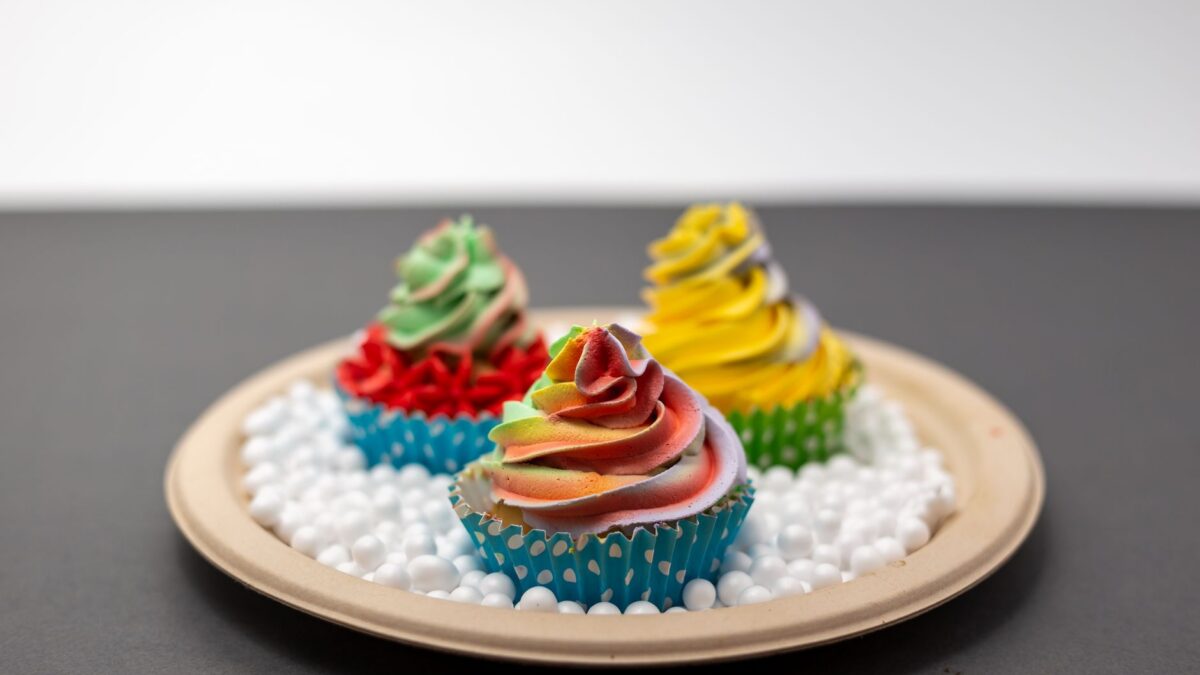
You can frost a cake or cupcakes without powdered sugar by using ermine (flour) frosting, stabilized whipped cream or a simple glaze made from granulated sugar. Ermine frosting cooks flour and milk into a thick paste, cools it and beats it into creamed butter and sugar, which gives a smooth, lightly sweet result. Whipped cream frosting needs only cold heavy cream and a little sugar, and a glaze can be made by warming sugar with liquid or by melting chocolate into cream.
How do you make ermine (flour) frosting?
Ermine frosting is made by cooking flour, milk and sugar into a pudding-like paste, cooling it completely, and whipping it into butter. It is also called boiled milk frosting, and it is a classic pairing with red velvet cake. The amounts below make about 3 cups, enough for roughly 12 cupcakes or a thin coat on a two-layer 8-inch (20 cm) cake.
- 5 tablespoons (40 g) all-purpose flour
- 1 cup (240 ml) whole milk
- 3/4 cup (150 g) granulated sugar
- 1 cup (226 g, 2 sticks) unsalted butter, softened but still cool
- 1 teaspoon vanilla extract and a pinch of salt
- Whisk the flour and sugar in a saucepan, then whisk in the milk gradually until no lumps remain.
- Cook over medium-low heat, whisking constantly, until the mixture thickens to a pudding texture and bubbles gently. Cook for another minute.
- Scrape it into a bowl, press plastic wrap onto the surface to prevent a skin, and cool it to room temperature. Warm paste melts the butter, so do not rush this step.
- Beat the butter on medium-high speed for 2 to 3 minutes until pale.
- Add the cooled paste a spoonful at a time, beating well after each. Add the vanilla and salt, then beat until fluffy.
The cooking step matters for safety as well as texture. The U.S. Food and Drug Administration advises that raw flour can carry bacteria and should be cooked before eating, which the heated paste accomplishes.
Why does ermine frosting turn grainy or runny?
Grainy frosting usually means undissolved sugar or paste that was too cold, while runny or curdled frosting means the paste or butter was too warm. If it looks curdled, keep beating; the mixture often comes together. If it is soupy, chill the bowl for 15 to 20 minutes and beat again. If it feels greasy, the butter was too soft to start with.
Lumps in the paste are a separate problem. Whisk constantly during cooking and, if lumps form, press the paste through a fine sieve before cooling.
How do you make whipped cream frosting?
Whipped cream frosting is made by whipping 1 cup (240 ml) of cold heavy cream with 2 tablespoons (25 g) of granulated sugar and 1/2 teaspoon of vanilla until it holds stiff peaks. Chill the bowl and whisk first, and start whipping at medium speed, then raise it as the cream thickens. Stop when the peaks stand upright, because overwhipped cream turns grainy and starts to become butter.
Plain whipped cream softens within hours, so bakers who need it to hold a shape often add a stabilizer. A simple option is to beat in 4 ounces (115 g) of cold mascarpone or cream cheese with the sugar before adding the cream. This version holds its piped shape better and still tastes light.
Whipped cream frosting contains dairy and must stay cold. Keep frosted cakes in the refrigerator and plan to eat them within about 2 days. Do not leave them out for more than 2 hours at room temperature.
What simple glazes work without powdered sugar?
A warm sugar glaze or a chocolate ganache both work without powdered sugar, and each needs two or three ingredients.
- Warm sugar glaze: Stir 1/2 cup (100 g) granulated sugar with 3 tablespoons of milk or lemon juice and 2 tablespoons of butter over low heat until the sugar dissolves. Spoon it over muffins or a loaf while still warm, where it sets into a thin shell as it cools.
- Chocolate ganache: Pour 1/2 cup (120 ml) of hot cream over 4 ounces (115 g) of chopped chocolate, wait a minute and stir until smooth. Pour over a cake when it thickens slightly.
- Simple syrup brush: Heat equal parts sugar and water until the sugar dissolves, then brush the cooled syrup on a warm cake for a light sheen.
The same approach suits the glazes on lemon poppy seed muffins and the quick topping on birthday cake muffins. A fruit muffin works well with butter, as in peach muffins with brown butter glaze.
Can you make your own powdered sugar instead?
Yes. Blend 1 cup (200 g) of granulated sugar with 1 teaspoon of cornstarch in a high-speed blender for 1 to 2 minutes until it becomes a fine powder, then let the dust settle before opening the lid. The result is slightly coarser than store-bought, so sift it. The cups to grams converter helps if you need to scale the amounts.
Quick answers
Can you freeze ermine frosting?
Yes. Store it in an airtight container in the freezer for up to 2 months, thaw it overnight in the refrigerator and re-whip it briefly before using.
How long does ermine frosting keep?
It keeps in the refrigerator for about 3 days because it contains milk and butter. Bring it to room temperature and beat it again before spreading.
Why is my whipped cream frosting deflating?
Under-whipped or warm cream cannot hold its shape. Chill the tools, whip to stiff peaks, and add mascarpone or cream cheese for extra hold.