Why Is My Cake Wet or Raw in the Middle? Causes, Rescue and Fixes
A cake that is wet or raw in the middle is usually underbaked, in the wrong pan or in a hot oven. Learn how to check doneness, rescue it and prevent it next time.
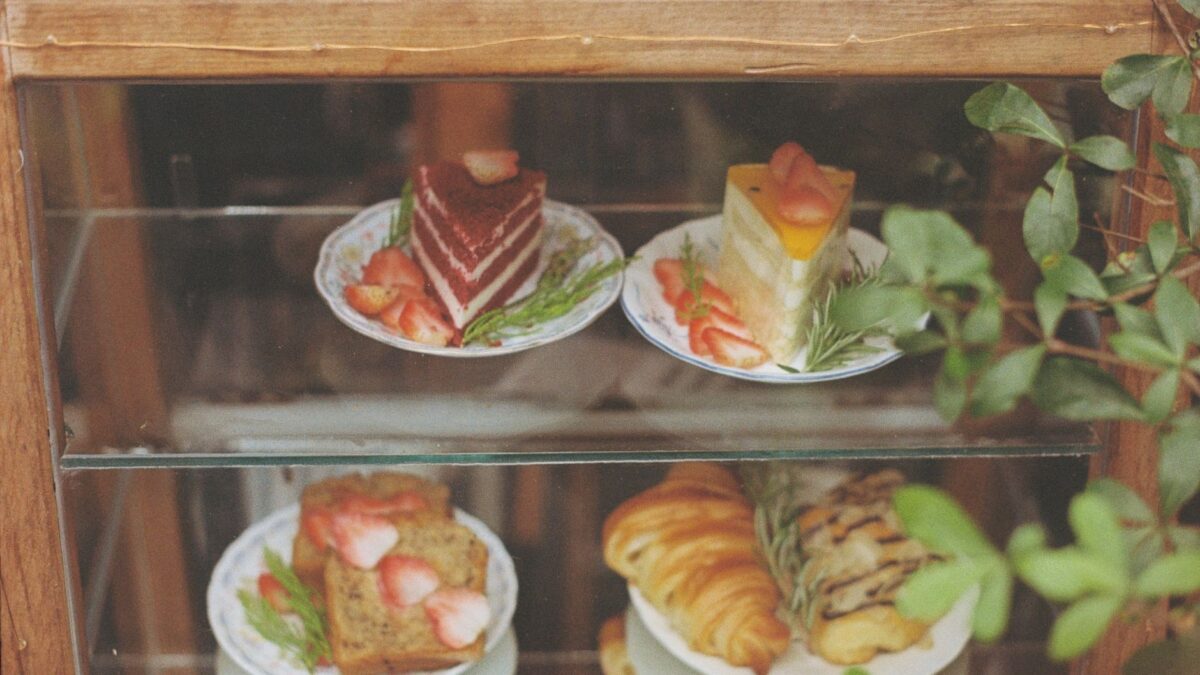
A cake that is wet or raw in the middle is almost always underbaked: the oven was too hot, so the outside set before the center cooked, the pan was too small or deep for the batter, or the cake simply needed more time. If the cake is still warm and in the pan, you can often rescue it by baking it longer at a lower heat. If it has already cooled and cut, you can still save it in a few ways.
How to tell if a cake is really done
Do not rely on the timer alone, since ovens and pans vary. Check several signs together:
- Toothpick or skewer: insert it in the center. It should come out clean or with a few dry crumbs, not wet batter.
- Spring-back: press the top lightly. A done cake springs back; a dent that stays means it needs more time.
- Edges: the cake should begin to pull away from the sides of the pan.
- Internal temperature: most butter cakes are done at about 200-210°F (93-99°C) in the center when checked with an instant-read thermometer.
- Jiggle: the center should not wobble like liquid when you gently shake the pan.
Check a few minutes before the earliest time in your recipe, and again every few minutes after. Avoid opening the oven door early in the bake, as it lets heat out and can cause the center to sink.
Common causes of a wet or raw middle
- Oven too hot: the outside browns and sets fast and insulates the batter, so the middle stays raw. Many home ovens run hotter or cooler than the dial says, so use an oven thermometer.
- Baked too short: pulling the cake out when the top looks golden is a classic mistake.
- Pan too small or too deep: a thick layer of batter takes longer to cook through. Using a smaller pan than the recipe calls for makes this worse. See the guide on cake pan size conversions for how to swap pans safely.
- Too much liquid or too little flour: inaccurate measuring, such as scooping flour too loosely, upsets the balance. Weigh ingredients when you can.
- Oven overcrowded or wrong rack: blocked airflow or a rack too low or too high gives uneven baking.
- Opening the door too early: a sudden drop in temperature can collapse the center, leaving a dense, wet band.
- Dark or thick pans: dark metal pans cook faster at the edges, and glass or ceramic dishes heat slowly and unevenly.
- Cooling in the pan, or wrapping while warm: trapped steam can make the crumb damp.
A cake that has sunk is a related issue, covered in why cakes sink in the middle. A similar problem in loaves is explained in why banana bread is gummy in the middle.
How to rescue an underbaked cake
If the cake is still in the oven or just out:
- Return it to the oven right away. Do not wait for it to cool.
- Lower the temperature by 25°F (about 15°C) so the middle can cook without burning the top.
- Tent the top loosely with foil if it is already deep brown.
- Bake in 5-10 minute steps, testing each time, until a skewer comes out clean.
If the cake has cooled and you cut it:
- Slice the cake into portions, cut away the raw center and bake the slices on a tray for a few minutes at about 325°F (165°C).
- Turn a wet center into a dessert: cut it up and use it in trifle or a cake-pudding layered with fruit, custard or cream.
- Crumble the cooked parts to make cake pops or truffles, mixed with frosting.
Cakes containing eggs and dairy should not be served if the center is truly raw. Do not eat batter that contains raw eggs or raw flour, which can carry bacteria. If in doubt, bake it further.
How to prevent it next time
- Preheat fully, and use an oven thermometer to check the real temperature.
- Use the pan size the recipe calls for, and fill it only about halfway to two thirds.
- Measure carefully, ideally by weight, and bring butter and eggs to room temperature unless the recipe says otherwise.
- Bake in the center of the oven, with space around the pan.
- For deep or large cakes, lower the heat slightly and extend the time, or use a baking core in the middle.
- Rest the cake in the pan for 10-15 minutes before turning it out.
Choosing the right equipment helps too. The overview of cake pans for a starter kit explains how materials and shapes affect baking.
Quick answers
Can I put a cake back in the oven after it cools?
Yes, though the texture may be a little drier. Cover it loosely with foil and bake at a lower temperature, checking often.
Why is the top burnt but the middle raw?
The oven is usually too hot or the rack too high. Lower the temperature, move the rack to the middle and tent the top with foil.
Is a slightly moist crumb the same as raw?
No. A moist cake has set crumbs that cling to the skewer lightly. A raw cake leaves wet, shiny batter on it.