Can You Freeze a Cake? Wrapping, Storage Times and Thawing
Yes, most cakes freeze well for 2 to 3 months, frosted or not. Here is how to wrap layers, how long they keep and how to thaw them without a soggy top.
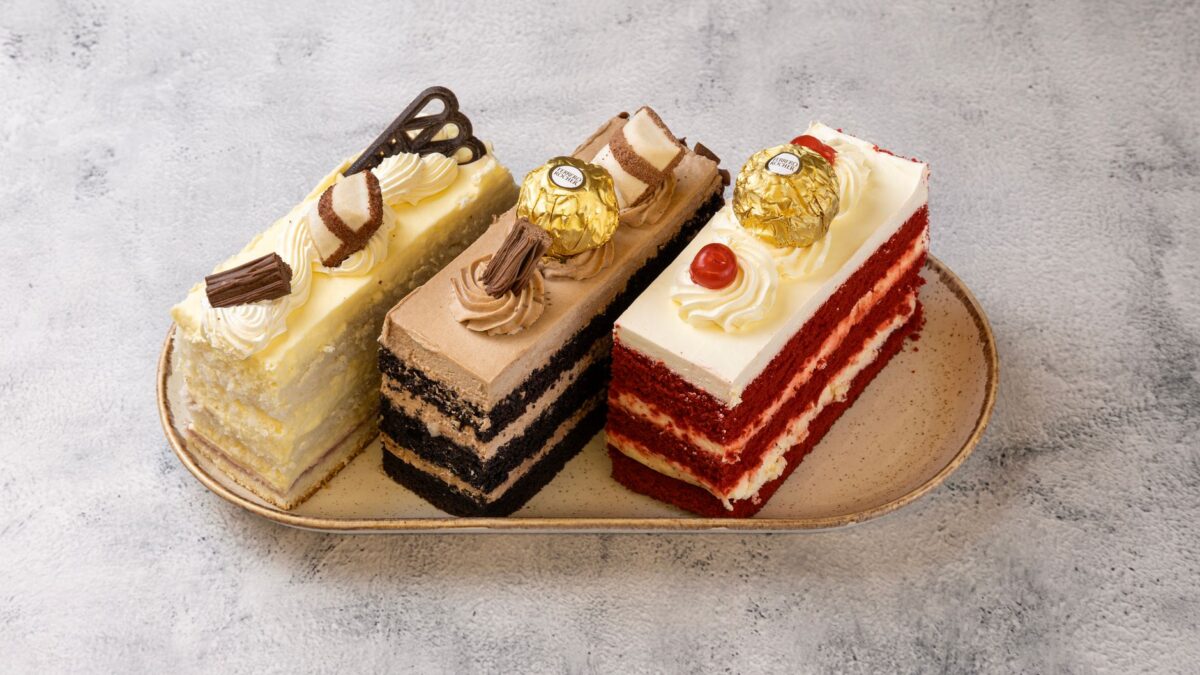
Yes, you can freeze a cake. Most butter, oil and sponge cakes keep good quality for 2 to 3 months in the freezer, whether the layers are bare or frosted. Wrap them tightly to block air, freeze, and thaw them slowly in the refrigerator while still wrapped.
Unfrosted layers are the easiest to freeze and the most forgiving. A fully decorated cake can be frozen too, but the frosting type and the filling decide how well it comes back.
Is it better to freeze cake layers frosted or unfrosted?
Unfrosted layers are the safer choice. Frosting adds moisture and fat that can weep or crack as the cake thaws, and a bare layer takes frosting more neatly once it has defrosted. If you plan ahead, bake the layers, freeze them, and frost on the day you serve.
Frosted cakes freeze well when the frosting is a stable one:
- American buttercream and ganache hold up well.
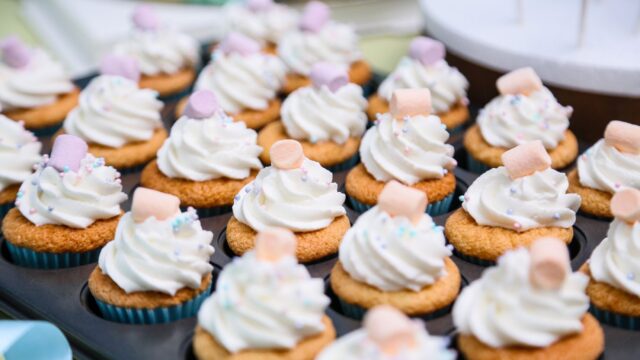
- Swiss and Italian meringue buttercreams usually survive, though the texture can soften slightly.
- Cream cheese frosting freezes acceptably, but the cake must stay refrigerated after it thaws.
- Whipped cream frosting and meringue toppings tend to weep or collapse and are poor candidates.
Cakes with custard, fresh fruit or pastry cream fillings do not freeze well, because the filling turns watery. Freeze the plain layers and add those fillings after thawing.
How do you wrap a cake for the freezer?
Cool the cake completely before wrapping, because trapped steam makes ice crystals and a gummy crumb. If you are unsure how long that takes, the guide on cooling cakes before frosting, cutting and wrapping gives times by size.
For unfrosted layers:
- Level the tops if you want flat layers, and let any crumbs brush off.
- Wrap each layer separately in two tight layers of plastic wrap, pressing out air.
- Add a layer of aluminum foil, or slide the wrapped layer into a freezer bag and squeeze out the air.
- Label with the date and keep the layers flat until frozen.
For a frosted cake, set it uncovered on a board or tray in the freezer for 1 to 2 hours until the frosting is firm. Once it no longer smudges, wrap it in plastic wrap and then foil, or place it in a rigid airtight container. Freezing it first keeps the wrap from pulling off the decoration.
Slices freeze well too. Wrap each slice individually and put them in a freezer bag, so you can take out one at a time.
How long does frozen cake keep?
Plan on 2 to 3 months for the best flavor and texture. The USDA Food Safety and Inspection Service explains that food held at 0°F (-18°C) stays safe indefinitely, so the time limit is about quality. Past 3 months, cake tends to dry out, pick up freezer smells and lose flavor, even though it is still safe to eat.
Dense, moist cakes such as pound cake, carrot cake and banana cake handle longer storage better than light sponge. Fruit-heavy holiday cakes also freeze well, and the loaf in the classic stollen guide keeps for a long time.
How do you thaw a frozen cake?
Thaw the cake in the refrigerator, still fully wrapped, for several hours or overnight. Keeping the wrap on matters: the cold cake draws condensation, and the wrapping catches it instead of the cake surface. Unwrap only after the cake has lost its chill.
Approximate thawing times:
- Single unfrosted layer: 2 to 4 hours at room temperature, or overnight in the refrigerator.
- Frosted whole cake: 8 to 12 hours in the refrigerator, then 1 to 2 hours on the counter before serving.
- Single slice: about 1 hour at room temperature, or 20 to 30 seconds in the microwave for a bare slice.
Cakes with dairy-based frosting should not sit out for more than 2 hours. Return leftover cake to the refrigerator.
Why does frozen cake sometimes turn out dry or soggy?
Dry cake usually means air got to it. Freezer burn comes from loose wrap, a long freeze or a half-empty freezer bag. Double wrapping and pressing out air prevents most of it.
A soggy or sticky top comes from thawing at room temperature while unwrapped, or from wrapping a cake that was still warm. Moisture then settles on the surface. If a thawed layer feels a little dry, brush it with a thin coat of simple syrup (equal parts sugar and water, cooled) before frosting.
Which cakes should you not freeze?
Skip very delicate foam cakes if you need perfect texture, since angel food and chiffon can compress. Cakes topped with fresh berries, glazes that must stay glossy, or sugar decorations that run when damp are better finished after thawing. Pumpkin and other dense sheet cakes are good candidates, and the pumpkin sheet cake for a crowd is a make-ahead option.
Quick answers
Can you freeze cake batter instead?
Batters made with baking powder lose lift as they sit, so freezing batter is not reliable. Bake the cake first and freeze the finished layers.
Can you refreeze a thawed cake?
It is best not to. Each freeze and thaw dries the crumb further, and a cake with dairy frosting that has sat out should be eaten or discarded rather than refrozen.
Can you freeze a cake in its baking pan?
Yes, if the pan is freezer-safe and you wrap it well. Removing the cake first saves space and lets you wrap each layer closely.
Should you freeze cake with the parchment paper on?
Peel the parchment off before wrapping. Paper left on the bottom can trap moisture and stick as the cake thaws.