How to Freeze English Muffins: Split, Wrap, Thaw, Toast
Freeze English muffins split and wrapped airtight for about 3 months, then toast them straight from frozen. Storage, thawing and toasting steps inside.

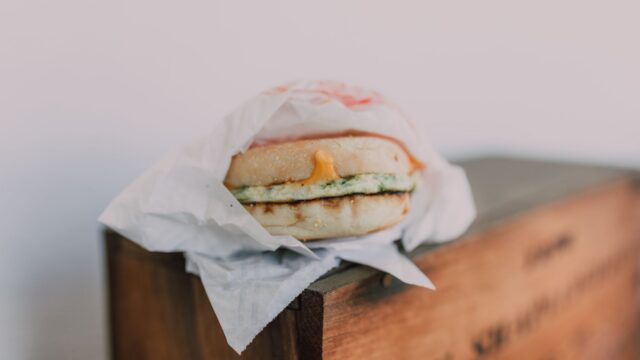
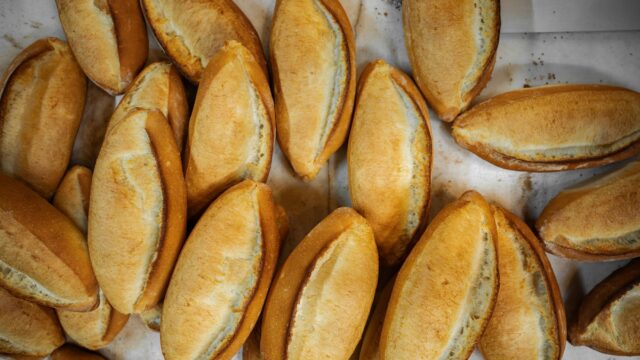
English muffins keep for a few days at room temperature in a sealed bag, and for about 3 months in the freezer if you split them first, wrap them airtight and toast them straight from frozen. Splitting before freezing is the step that matters most, because it lets you pull out one half at a time and skip the thawing wait.
Homemade muffins and store-bought ones follow the same steps. The only difference is that homemade ones have no preservatives, so they go stale and moldy sooner on the counter.
How long do English muffins last at room temperature?
Store-bought English muffins usually stay good for several days to about a week in a closed bag in a cool, dry cupboard, and the package date is the best guide. Homemade muffins are best within 2 to 3 days.
Keep them in a zip-top bag or a bread box, away from the stove and sunlight. Do not refrigerate them for long storage. Cold air dries bread out and speeds up staling, so the fridge makes them tough sooner than the counter does. If you see fuzzy spots or smell anything sour, throw the whole bag out, since mold spreads through bread beyond the visible patch.
Should you split English muffins before freezing?
Yes. Split them with a fork rather than a knife if you want the classic craggy nooks, then freeze the halves. Pry around the edge with the tines and pull the halves apart gently.
A whole frozen muffin is hard to split. It crumbles or tears, and it takes a long time to thaw. Pre-split halves go from freezer to toaster with no waiting. If your muffins came pre-split from the store, you can skip this step.
How do you wrap English muffins for the freezer?
Seal them so that no air touches the surface. Air is what causes freezer burn, the dry, pale patches that make bread taste flat.
- Let freshly baked muffins cool completely. Warm muffins release steam that turns into ice crystals inside the bag. The cooling times in the article on how long to cool baked goods before wrapping apply here too.
- Split each muffin with a fork.
- Stack the halves in pairs, or place a small square of parchment between them so they separate easily.
- Slide them into a freezer bag and press out as much air as you can. A straw works for sucking out the last of it.
- Write the date on the bag and lay it flat in the freezer until firm.
For extra protection, wrap small stacks in plastic wrap or foil first, then put them in the bag. The same wrapping logic applies to freezing muffins and quick breads.
How long do frozen English muffins keep?
Frozen at 0°F (-18°C), they stay safe indefinitely, but the quality is best within about 3 months. After that they dry out and pick up freezer smells. The USDA’s food safety guidance on freezing, available through USDA Food Safety and Inspection Service, explains that food held at a steady 0°F stays safe and that time in the freezer affects quality rather than safety.
Keep the bag away from strong-smelling foods such as onions and fish. Bread absorbs odors easily.
What is the best way to thaw and toast frozen English muffins?
Toast them straight from frozen. A pre-split half needs one cycle in the toaster on a medium setting, plus a second short cycle if the center is still cold. In an oven, bake the halves cut side up at 350°F (175°C) for about 8 to 10 minutes.
If you want to thaw first, leave the halves on the counter for 20 to 30 minutes, still in the bag if you want to keep them soft, or take them out for a crisper surface. A microwave works in a pinch: 15 to 20 seconds on a plate wrapped in a paper towel. Microwaved muffins turn chewy fast, so eat them right away or finish them in the toaster.
Toasting restores the texture because heat drives out the moisture that gathered on the surface in the freezer. A good muffin has a crisp crust and a soft, open interior. If yours come out dense even when fresh, the problem is likely in the dough, and the fixes in English muffins on the griddle: fixes for dense dough will help more than any storage trick.
Quick answers
Can you refreeze English muffins?
Refreezing muffins that thawed on the counter is safe if they were not left out for long, but the texture gets worse each time. It is better to freeze them in small portions and thaw only what you will eat.
Why are my frozen English muffins soggy after toasting?
Sogginess usually comes from steam trapped when warm muffins went into the bag, or from thawing in a closed bag for too long. Cool them fully before freezing and toast them from frozen.
Can you freeze English muffin dough?
You can, but baked muffins freeze more reliably. Yeast activity slows in the cold and the dough can lose rise, so it is simpler to cook the muffins first and freeze the finished halves.
Do English muffins need to be refrigerated?
No. A cool cupboard is better than the fridge for short storage, and the freezer is the right place for anything you will not eat within a week.