English Muffins on the Griddle: Fixes for Dense Dough
Homemade English muffins turn out dense when dough is too stiff, underproofed or cooked too hot. Learn the right dough, griddle heat and fixes.
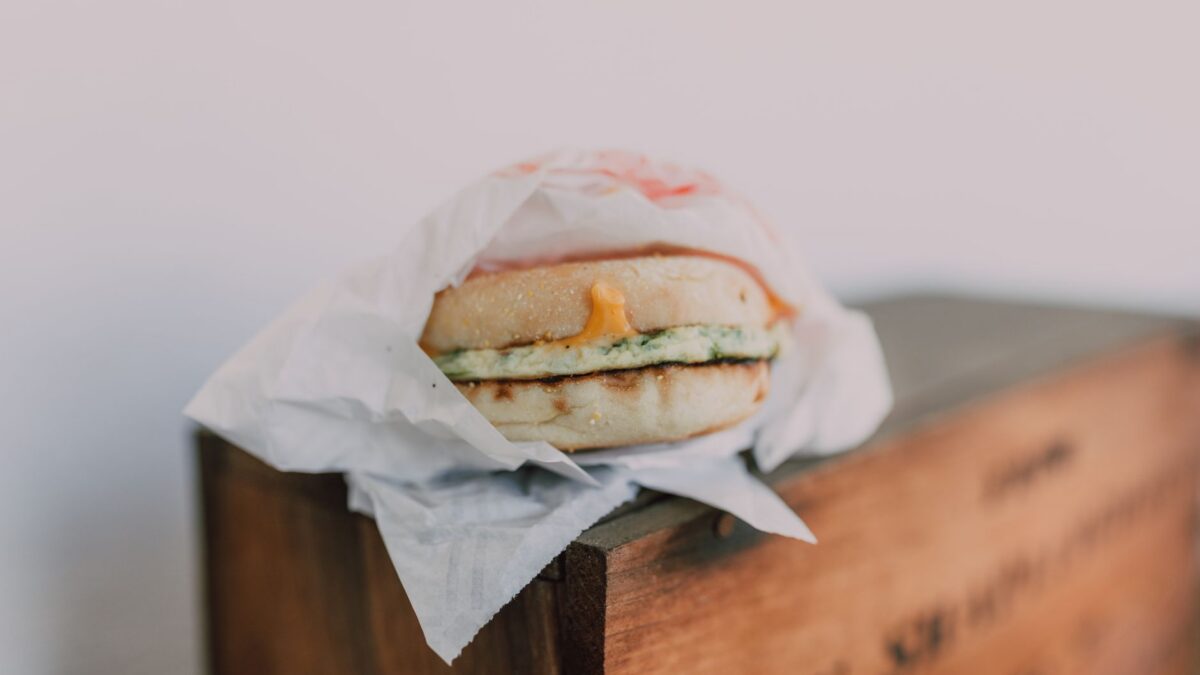
Homemade English muffins turn out dense when the dough is too dry, the rise is cut short, or the griddle is hot enough to brown the outside before the middle sets. A soft, sticky dough, a full rise and a medium-low griddle (about 300 to 325°F, or 150 to 165°C) give an open, chewy crumb with the craggy holes the muffins are known for.
English muffins are a yeast dough cooked in a dry pan, not baked. That changes what goes wrong, so the fixes below start with the dough and finish at the stove.
What dough makes light English muffins?
A wet, tacky dough made with milk, a little fat and either bread flour or all-purpose flour. A common home ratio is about 3 cups (375 g) flour, 1 cup (240 ml) warm milk, 2 tablespoons (28 g) soft butter, 1 teaspoon salt, 1 tablespoon sugar and 2 1/4 teaspoons (7 g) instant or active dry yeast. That makes roughly 8 to 10 muffins.
The dough should feel softer and stickier than a sandwich loaf dough. If it holds its shape like a ball of clay, it has too little liquid, and the crumb will be tight and bready instead of full of holes. Add milk a tablespoon at a time until the dough sticks lightly to your fingers but still pulls together when kneaded.
Bread flour has more protein than all-purpose, so it gives a chewier muffin with a stronger structure. All-purpose flour works and gives a slightly softer bite.
How long should English muffin dough rise?
Until it has roughly doubled, which usually takes 1 to 1 1/2 hours in a warm kitchen (about 75 to 80°F, or 24 to 27°C). Time is only a guide. A cool room can double that, and a cold kitchen is one of the most common reasons for a heavy muffin.
Judge the dough by how it looks and feels. It should be puffy, domed and full of bubbles, and a floured finger pressed in should leave a dent that fills back slowly. For more on timing, see how long bread dough takes to rise.
The second rise matters just as much. After rolling or patting the dough to about 1/2 inch (1.25 cm) thick and cutting rounds, let the muffins rest on a cornmeal-dusted tray until they look visibly puffy, usually 30 to 45 minutes. Muffins cooked straight from the cutter have not had time to build gas, and they cook up flat.
What temperature should the griddle be?
Medium-low, around 300 to 325°F (150 to 165°C) on a griddle with a thermometer, or a gentle medium-low flame on a heavy pan. Use a dry pan or a very light film of oil or butter.
The reason is thickness. A muffin is about as thick as a small roll, and it has to cook through while it browns. On high heat the surface turns deep brown within a couple of minutes while the center is still raw dough, which later reads as a gummy, dense middle. Low heat takes longer but sets the interior evenly.
A good test is to cook one muffin first. If it browns in under 3 minutes, turn the heat down and let the pan settle before cooking the rest.
How long do English muffins cook on each side?
About 6 to 8 minutes per side on medium-low heat, with the muffins turned once, for a total of 12 to 16 minutes. Both sides should be an even golden brown, and the sides should look dry rather than shiny and wet.
Cooked through, the center reaches about 200°F (93°C) on an instant-read thermometer, the usual doneness mark for yeast breads. If the muffin feels heavy and the sides are still doughy after browning, finish it in a 350°F (175°C) oven for 5 to 8 minutes instead of raising the pan heat.
Use a lid or a second pan over the muffins for a few minutes if the tops stay pale and raw. Trapped steam helps the top set without scorching the bottom.
Why are my English muffins dense?
Dense English muffins have one of five causes, and each has a different fix:
- The dough is too stiff. Add liquid next time, aiming for a sticky, soft dough.
- The yeast was old or the milk was too hot. Milk above about 120°F (49°C) can kill yeast, and a dough that never puffs points to this.
- The rises were short or the kitchen was cold. Wait for the dough to double, not for the clock.
- The dough was overworked or handled roughly after the first rise. Pat it out gently so the gas bubbles survive.
- The griddle was too hot. Browning outpaced cooking, so the middle stayed damp.
The same logic applies to other yeast bakes, and a longer checklist is in why bread comes out dense. If you are thinking of the quick-bread kind of muffin instead, why muffins are dense covers that batter-based version.
How do I get nooks and crannies?
Keep the dough wet, handle it gently and split the muffin with a fork. A wetter dough forms larger gas pockets, and a light touch keeps those pockets from being rolled out. Cutting a baked muffin with a knife flattens the crumb and shears through the holes. Pierce around the edge with a fork and pull the halves apart, and the rough surface toasts crisp.
Cornmeal on the tray and the pan helps the muffins release, and it gives the familiar gritty crust. Semolina works the same way.
Quick answers
Can I make English muffin dough ahead?
Yes. After mixing and kneading, the dough can rise slowly in the refrigerator overnight, usually 8 to 12 hours. Let it warm up on the counter for a short while, then cut and proof the rounds before cooking.
Do I need muffin rings?
No. Rings keep the muffins tall and round, but free-form rounds cooked on a griddle also work. If you use rings, grease them lightly and set them in the pan before the dough goes in.
How should I store homemade English muffins?
Cool them fully, then keep them in a sealed bag at room temperature for a few days. For longer storage, split them first and freeze in a bag, then toast straight from the freezer. Do not taste raw dough, since uncooked flour can carry bacteria, as the FDA explains in its guidance on raw flour.
Can I use this dough for something else?
Yes, the same wet yeast dough can be cooked as flatbreads or crumpets-style rounds in a dry pan. If you enjoy muffin-style baking, donut muffins are an easy oven alternative.