Soft Dinner Rolls From Scratch: Standard Recipe, Make-Ahead and Freezing
Soft dinner rolls need flour, milk, butter, egg, sugar, yeast and salt, about 3 hours start to finish. Plus overnight make-ahead and freezing steps.
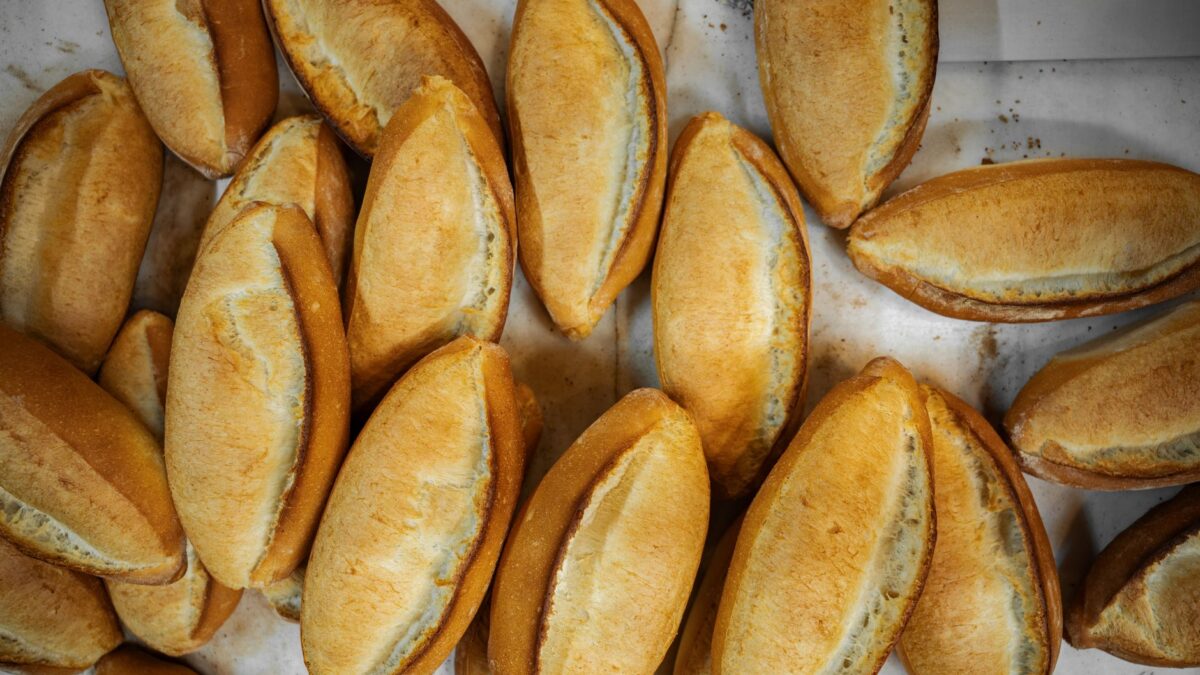
Soft dinner rolls are an enriched yeast dough: flour, warm milk, butter, an egg, a little sugar, yeast and salt. The dough rises once, gets shaped into balls, rises again in the pan and bakes at 350°F (175°C) for about 20 to 25 minutes, and the milk, butter and egg are what keep the crumb soft and tender. This standard recipe makes 15 rolls in a 9×13-inch pan and can be shaped a day ahead or frozen.
Ingredients (15 rolls)
Prep: 30 min · Bake: 22 min · Total: 180 min
- 4 cups (500 g) all-purpose flour, plus a little for shaping
- 1 cup (240 ml) whole milk, warmed to about 110°F (43°C)
- 1/4 cup (50 g) granulated sugar
- 2 1/4 teaspoons (7 g, one packet) instant or active dry yeast
- 1 large egg, at room temperature
- 6 tablespoons (85 g) unsalted butter, melted, plus 1 to 2 tablespoons for brushing
- 1 teaspoon (6 g) fine salt
Steps
- If using active dry yeast, stir it and a pinch of the sugar into the warm milk and let it stand 5 to 10 minutes until foamy. Instant yeast can go straight in with the flour.
- In a large bowl or stand mixer, combine the milk mixture, remaining sugar, egg and melted butter. Add 3 1/2 cups (440 g) of the flour and the salt and mix to a shaggy dough.
- Knead by hand for 8 to 10 minutes, or 5 to 7 minutes on low speed with a dough hook, adding the remaining flour a tablespoon at a time only as needed. The dough is ready when it is smooth, slightly tacky and springs back when pressed.
- Place the dough in a greased bowl, cover and let it rise in a warm spot until doubled, about 1 to 1 1/2 hours.
- Grease a 9×13-inch pan. Punch down the dough and divide it into 15 equal pieces, about 2 ounces (55 to 60 g) each. Roll each into a tight ball by tucking the edges underneath and arrange them in 5 rows of 3.
- Cover and let rise until puffy and touching, 30 to 60 minutes. Heat the oven to 350°F (175°C) during the last 20 minutes.
- Bake 20 to 25 minutes, until deep golden on top. The center of a middle roll should read 190°F (88°C) on an instant-read thermometer.
- Brush the hot tops with melted butter. Cool in the pan for 10 minutes, then serve warm.
Can you make dinner rolls ahead of time?
Yes. The easiest make-ahead method is to shape the rolls the day before and let them do their second rise in the refrigerator overnight.
- Shape the rolls in the greased pan, cover tightly with plastic wrap and refrigerate right away, for up to about 16 hours.
- The next day, set the pan on the counter for 1 to 2 hours until the rolls look puffy and are touching, then bake as above.
- You can also refrigerate the whole dough after kneading and shape it the next day; cold dough is firmer and easier to shape, but it needs extra time to warm up and rise.
Baked rolls keep well for a day. Bake them in the morning, cool completely, cover and reheat in a 300°F (150°C) oven for 8 to 10 minutes, wrapped in foil so they stay soft. If you are planning a holiday menu, the same timing logic applies to dessert; see how far ahead to bake pumpkin pie.
How do you freeze dinner rolls?
Dinner rolls freeze best after baking. Cool them completely, wrap the pan or individual rolls tightly in plastic wrap, then in foil or a freezer bag, and freeze for up to 3 months.
To serve, thaw at room temperature in the wrapping for 1 to 2 hours, or reheat straight from frozen, wrapped in foil, at 350°F (175°C) for 15 to 20 minutes.
Unbaked rolls can be frozen too. Shape them, freeze on a tray until firm, then bag them for up to 1 month. Thaw overnight in a greased, covered pan in the refrigerator, let them rise at room temperature until puffy (often 2 to 3 hours), and bake. Yeast loses some strength in the freezer, so frozen raw dough can rise more slowly than fresh.
Why are my dinner rolls dense or tough?
Dense, heavy rolls usually come from one of these causes:
- Too much flour. Measure by weight if you can, or spoon flour into the cup and level it. A soft dough should feel a little tacky.
- Under-rising. Cool kitchens slow yeast down; wait for the dough to double, whatever the clock says.
- Milk that was too hot. Liquid above about 130°F (54°C) can kill yeast, and the dough will barely rise.
- Overbaking. Pull the rolls when they reach 190°F (88°C) inside.
- Expired yeast. Check the date, or proof active dry yeast in warm milk first to see that it foams.
Can you use bread flour or other swaps?
Bread flour works and gives a slightly chewier, taller roll; you may need a spoonful or two more milk. For substitutions:
- Milk: 2% milk works; water makes a leaner, less tender roll.
- Butter: an equal amount of a neutral oil keeps the rolls soft but with less flavor.
- Egg: you can leave it out and add 2 to 3 tablespoons more milk. The rolls will be a little less rich. Egg swaps for quick breads work differently; see egg-free muffin swaps for those.
- Sweetness: honey can replace the sugar in the same amount.
Is it safe to taste raw roll dough?
No. Raw dough contains uncooked flour and raw egg, both of which can carry bacteria. The FDA advises against eating raw dough and recommends washing hands and surfaces after handling flour.
Quick answers
How do I keep dinner rolls soft the next day?
Store cooled rolls in an airtight bag or container at room temperature for up to 2 days. Refrigerating them makes bread go stale faster. Warm them, wrapped in foil, before serving.
Can I bake the rolls in a different pan?
Yes. Two 9-inch round pans or a half-sheet pan both work. Rolls spaced apart on a sheet pan get crustier sides and may bake a few minutes faster.
What gives dinner rolls a shiny top?
Brush with beaten egg before baking for a shiny, deep brown top, or with melted butter after baking for a soft, matte top.
Can I make these by hand without a mixer?
Yes. Stir the dough with a wooden spoon, then knead on a lightly floured counter for about 10 minutes until smooth.