Why Is My Bread Dense? 8 Causes of Heavy Loaves and How to Fix Them
Dense bread usually comes from weak yeast, too much flour, short kneading or underproofing. See how to spot each cause and fix it in your next loaf.
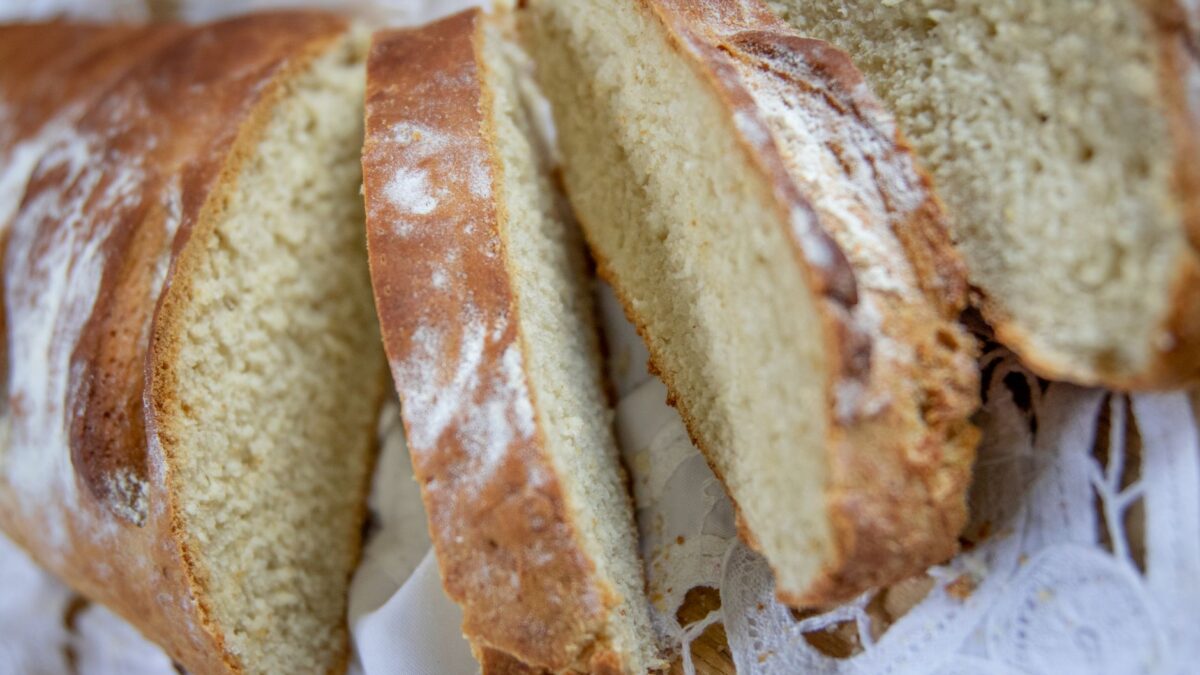
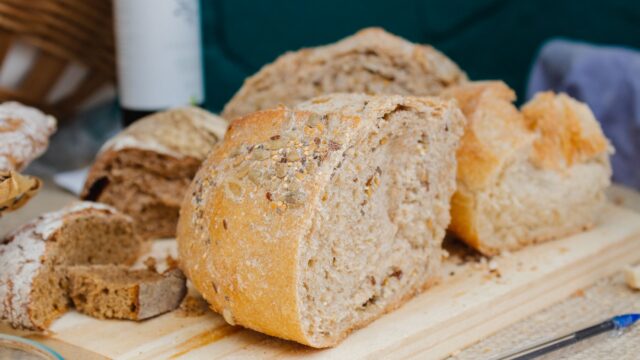
Homemade yeast bread turns out dense when the dough cannot trap enough gas. The usual causes are tired or killed yeast, too much flour, too little kneading and a dough that was baked before it had risen enough. Fixing one or two of these, most often proofing time and the amount of flour, turns a heavy loaf into a light one.
A good loaf depends on two things working together: yeast producing carbon dioxide, and gluten forming a stretchy network that holds that gas in. When either side fails, the crumb comes out tight, heavy and sometimes gummy.
Is my yeast still active?
Old or badly stored yeast is the first thing to check, because a dough with weak yeast barely rises at all. Dry yeast loses strength after its best-by date and faster once the package is opened, especially in a warm kitchen.
To test it, stir the yeast into warm water with a pinch of sugar and wait about 10 minutes. Active yeast turns foamy and smells yeasty. If nothing happens, replace it. Store opened yeast in an airtight container in the refrigerator or freezer.
Was the water too hot or too cold?
Water that is too hot kills yeast, and water that is too cold slows it to a crawl. For active dry yeast dissolved in water, aim for about 105 to 110°F (40 to 43°C). For instant yeast mixed with the flour, liquid around 120 to 130°F (49 to 54°C) is standard. Above about 140°F (60°C), yeast dies. An instant-read thermometer takes the guesswork out of this step.
Did I add too much flour?
Too much flour is one of the most common reasons for a heavy loaf, because a stiff, dry dough cannot stretch to hold gas. Scooping flour straight from the bag packs it down and can add far more than the recipe intended.
- Weigh flour if you can. A cup of all-purpose flour is about 120 to 125 grams when spooned and leveled.
- Otherwise, spoon flour into the cup and level it with a knife.
- Add extra flour while kneading only a tablespoon at a time. A slightly tacky dough is normal.
Did I knead the dough long enough?
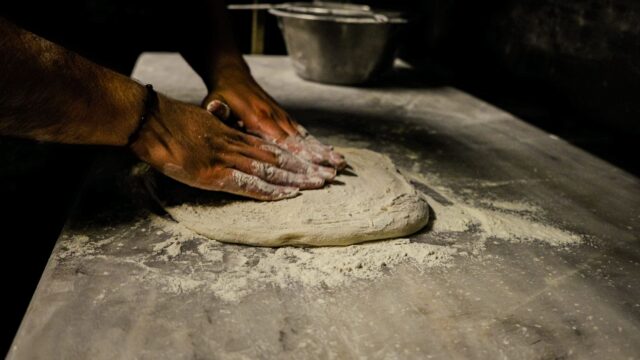
Under-kneaded dough has a weak gluten network, so gas escapes and the loaf stays low and tight. Most sandwich doughs need about 8 to 12 minutes of hand kneading or 5 to 8 minutes in a stand mixer on low to medium speed.
Use the windowpane test: stretch a small piece of dough between your fingers. If it thins enough to let light through before tearing, the gluten is ready. If it rips right away, knead a few minutes more. Whole wheat and rye doughs rarely pass this test fully, so judge them by smoothness and spring instead.
Did the dough rise long enough?
Underproofing is the other big cause of dense bread. Recipes give times, but the dough sets the schedule, and a cool kitchen can double those times.
- First rise: the dough should roughly double in size, often 1 to 2 hours at about 75 to 80°F (24 to 27°C).
- Second rise after shaping: the loaf should look puffy and rise about 1 inch above the rim of a standard loaf pan.
- Poke test: press a floured finger about half an inch into the dough. If the dent springs back slowly and leaves a small mark, it is ready. If it springs back fast, wait longer. If it does not spring back at all, the dough is overproofed.
Overproofed dough can also bake up dense, because the gluten weakens and the loaf collapses in the oven. If that happens, you can knock the dough back, reshape it and let it rise again for a shorter time.
Is the type of flour making my bread heavy?
Low-protein flours and whole grains naturally give a closer crumb. Bread flour has more protein than all-purpose flour, so it builds stronger gluten and a taller loaf. Whole wheat flour contains bran, which cuts gluten strands and absorbs extra water, so 100 percent whole wheat bread is always denser than white bread.
To lighten a whole wheat loaf, replace part of it with bread flour, add a little more water, and give the dough a 20- to 30-minute rest after mixing so the bran softens before kneading. Rye flour forms very little gluten, so rye breads are meant to be compact.
Could salt, sugar or fat be the problem?
Ingredient balance affects rise. Salt strengthens gluten and keeps yeast in check, but too much slows fermentation, and dumping salt directly onto yeast can weaken it. Mix salt into the flour first. Large amounts of sugar, butter, eggs or milk also slow yeast, so rich doughs such as brioche need longer rises than lean doughs. The same tug-of-war between leavening and heavy ingredients explains why muffins come out dense, even though muffins rely on baking powder instead of yeast.
Did I bake or slice it wrong?
An oven that runs cool sets the crust slowly and leaves the inside heavy, while cutting into bread too early makes the crumb gummy and compressed. Check your oven with an oven thermometer, since many home ovens are off by 25°F (about 14°C) or more. Most sandwich loaves bake at 350 to 375°F (175 to 190°C), and lean crusty breads at 425 to 475°F (220 to 245°C).
Bread is done when the inside reaches about 190 to 200°F (88 to 93°C) for enriched loaves and 200 to 210°F (93 to 99°C) for lean ones. Let it cool for at least an hour before slicing, because the crumb is still setting as steam escapes. If the center of a quick bread is the issue rather than a yeast loaf, see these fixes for banana bread that is gummy in the middle.
Avoid tasting raw dough to check it. The U.S. Food and Drug Administration warns that raw flour can carry harmful bacteria until it is baked.
Quick answers
Can I save a dense loaf of bread?
You cannot make a baked loaf lighter, but dense bread works well toasted, as croutons, bread pudding or breadcrumbs.
Why is my bread dense at the bottom only?
A dense layer at the bottom usually means the dough was underproofed, the loaf was baked too low in the oven, or it was cut before it cooled. Bake on the middle rack and give the second rise more time.
Does a bread machine make dense bread?
Bread machine loaves turn out dense mainly from too much flour, old yeast or a whole grain setting used with white flour. Measure by weight and follow the machine’s order for adding ingredients.
Does high altitude make bread dense?
At high altitude dough usually rises faster, then collapses. Shorter rises, a little less yeast and slightly more liquid help keep the loaf from falling.