Lemon Loaf Cake With Syrup and Glaze: A Standard Recipe and How to Know It Is Done
Zest in the batter, a warm syrup on the hot cake and a thin glaze once it cools: three layers of lemon, and one thermometer reading to know it is done.
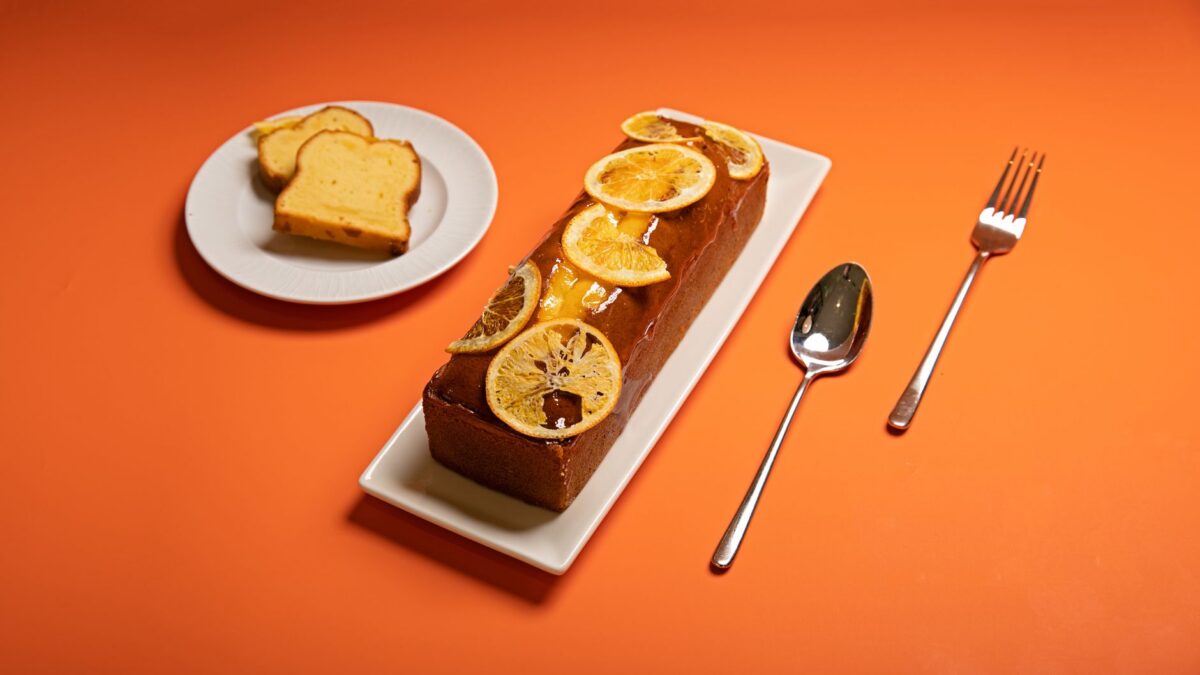
A lemon loaf cake gets its flavor in three layers: zest rubbed into the sugar for aroma, a warm lemon syrup brushed onto the hot cake for moisture and tang, and a thin powdered-sugar glaze once it cools. Bake it in an 8.5 x 4.5-inch pan at 350°F (180°C) for about 50–60 minutes, until a skewer comes out clean and the center reads roughly 200–205°F (93–96°C).
Weights follow King Arthur Baking’s ingredient weight chart: 120 g per cup of all-purpose flour and 198 g per cup of granulated sugar.
Ingredients (one 8.5 x 4.5-inch loaf, about 10 slices)
Cake
- 1 1/2 cups (180 g) all-purpose flour
- 1 1/2 teaspoons baking powder
- 1/2 teaspoon table salt
- 1 cup (198 g) granulated sugar
- Finely grated zest of 2 lemons (about 1 packed tablespoon)
- 2 large eggs, at room temperature
- 1/2 cup (113 g) plain yogurt or sour cream, at room temperature
- 1/2 cup (113 g) unsalted butter, melted and slightly cooled, or 1/2 cup (99 g) neutral oil
- 2 tablespoons (28 g) fresh lemon juice
- 1 teaspoon vanilla extract
Syrup
- 1/4 cup (50 g) granulated sugar
- 1/4 cup (57 g) fresh lemon juice
Glaze
- 1 cup (113 g) confectioners’ sugar
- 1 1/2–2 tablespoons fresh lemon juice
Method
- Heat the oven to 350°F (180°C; 160°C fan; gas mark 4). Grease an 8.5 x 4.5-inch metal loaf pan and line it with a parchment sling.
- Whisk the flour, baking powder and salt in a bowl.
- In a large bowl, rub the zest into the sugar with your fingertips until it is fragrant and slightly damp. This releases the lemon oils into the sugar.
- Whisk the eggs into the lemon sugar until smooth, then the yogurt, melted butter, lemon juice and vanilla.
- Fold in the dry ingredients until just combined.
- Pour into the pan and bake 50–60 minutes. If the top browns before the center sets, cover loosely with foil.
- While it bakes, warm the syrup sugar and juice in a small pan just until the sugar dissolves.
- When the loaf is done, cool it in the pan for 10 minutes, then lift it onto a rack set over a tray. Poke the top all over with a skewer and brush or spoon on the warm syrup slowly so it soaks in.
- Cool completely, at least 1 hour. Whisk the glaze until thick but pourable and spoon it over the top, letting it drip down the sides. Let it set 20–30 minutes before slicing.
Zest vs juice: where the flavor comes from
Most of a lemon’s aroma lives in the oils of the yellow zest, not the juice. Juice adds sourness but little perfume, and too much of it adds liquid and acid that can make the crumb heavy. That is why the batter uses plenty of zest and only a modest splash of juice, and the bright, tart hit comes from the syrup and glaze on the outside. Grate only the yellow layer; the white pith below is bitter.
Why the syrup soak works
A hot cake is full of open, expanding air cells. Brushing warm syrup over it while it is still warm lets the syrup move into the crumb instead of sitting on the surface. The sugar in the syrup also holds moisture, so the loaf stays tender for days. Soaking is a standard technique for rescuing slightly dry cakes too; see why cake turns out dry.
Doneness in a deep loaf
Loaf cakes are tricky because the center is far from the hot pan sides. Edges and top can look finished while the middle is still wet.
| Cue | What to look for |
|---|---|
| Skewer test | Clean or a few dry crumbs from the very center, including inside the crack |
| Internal temperature | About 200–205°F (93–96°C), the range commonly used for quick breads |
| Spring-back | Center springs back when pressed lightly |
| Crack | The split on top looks dry, not shiny and wet |
| Edges | Pulling slightly away from the pan |
The crack down the middle is normal for loaf cakes: the top sets first while the center keeps rising. More on that in why cakes dome and crack.
Variations
- Lemon poppy seed: add 1 tablespoon poppy seeds with the flour.
- Lemon blueberry: fold in 3/4 cup (about 110 g) blueberries tossed in a teaspoon of the measured flour; add 5–10 minutes to the bake.
- Orange or lime: swap the citrus one for one.
- Muffins: the batter fills about 10–12 standard cups and bakes at 375°F (190°C) for 18–22 minutes; skip the syrup or use half.
Storing and freezing
Once glazed and set, keep the loaf covered at room temperature for a few days. The syrup keeps it moist. To freeze, wrap the cooled, unglazed loaf tightly in plastic and then foil or a freezer bag; thaw wrapped at room temperature and glaze after thawing, since the glaze can turn sticky when frozen.
Troubleshooting
| Problem | Cause | Fix |
|---|---|---|
| Sunken, damp center | Underbaked; too much juice in batter | Bake to 200–205°F; keep juice to the stated amount |
| Weak lemon flavor | Too little zest; zest not rubbed into sugar | Use 2 lemons’ zest; rub it into the sugar |
| Glaze too thin or soaked in | Loaf still warm; too much juice in glaze | Glaze a fully cooled loaf; add juice a teaspoon at a time |
| Dense crumb | Overmixing; cold ingredients | Use room-temperature eggs and yogurt; fold briefly |
Food safety and allergens
Do not taste the raw batter; flour and eggs are raw ingredients until baked. This cake contains wheat (gluten), eggs and milk. Dairy-free or gluten-free swaps need suitable certified ingredients; people with allergies or celiac disease should follow their doctor’s or dietitian’s advice.
Bottom line
Rub plenty of zest into the sugar, keep the juice in the batter modest, bake until the center of the loaf is fully set, then soak the warm cake with syrup and glaze it only once it is cool.
FAQ
Can I use bottled lemon juice?
For the syrup and glaze it works, but fresh lemons give much brighter flavor, and you need fresh lemons for the zest anyway.
Can I skip the syrup?
Yes. The loaf will be less moist and less tart, but still good with just the glaze.
Why is there a gummy line under the crust?
Usually underbaking, or too much syrup poured too fast. Bake fully and brush the syrup on gradually.
Butter or oil?
Butter tastes richer; oil keeps the loaf softer for longer. Both work at the amounts listed.