Butter Substitutes for Baking: Oil, Margarine, Coconut Oil, Applesauce and Yogurt Compared
The right butter swap depends on how the recipe uses butter: melted, creamed or cut in cold. Match the method first and the amounts follow.
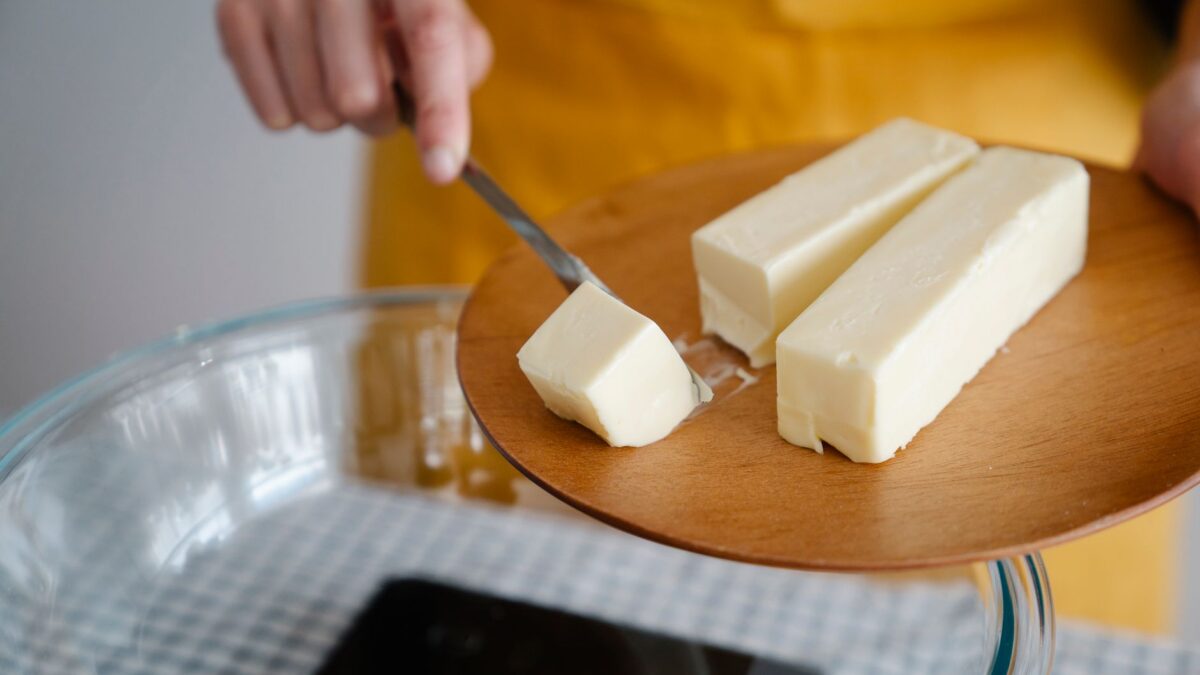
For melted-butter recipes such as muffins and quick breads, the simplest butter substitute is neutral oil at about three-quarters of the amount: 3/4 cup (about 150 g) oil for 1 cup (226 g) butter. Stick margarine and coconut oil can replace butter 1:1, and applesauce or plain yogurt can replace up to half the butter in muffins. Creamed cakes and flaky pastry need a solid fat, so oil and purées are poor swaps there.
First, check how the recipe uses butter
Butter is not pure fat. In the US, butter must contain at least 80% milkfat by USDA standard; most of the rest is water, plus a little milk solids. That mix matters in three ways depending on the mixing method:
- Melted butter (most muffins, quick breads, brownies): butter mainly adds fat, moisture and flavor. Oil swaps work well. See the muffin method explained.
- Creamed butter (butter cakes, cupcakes, many cookies): soft butter beaten with sugar traps tiny air bubbles that help the rise. You need a fat that is solid at room temperature.
- Cold butter cut in (scones, biscuits, pie crust): solid pieces melt and steam in the oven, making flaky layers. You need a fat that stays firm when cold.
Butter substitutes compared
| Substitute for 1 cup (226 g) butter | Amount | Best for | Texture and flavor change |
|---|---|---|---|
| Neutral oil (canola, sunflower, vegetable) | 3/4 cup (about 150 g) | Muffins, quick breads, snack cakes, brownies | Moister, softer crumb that stays tender longer; no butter flavor; less browning |
| Stick margarine (about 80% fat) | 1 cup, 1:1 | Cakes, cookies, muffins | Close to butter in texture; milder flavor. Check the fat percentage |
| Coconut oil | 1 cup (about 226 g), 1:1 | Muffins and cookies (melted); some cakes (solid) | Firm when cool; virgin oil tastes of coconut, refined is neutral |
| Vegetable shortening | 1 cup, 1:1, plus 1–2 tbsp milk or water if dough seems dry | Pie crust, biscuits, cookies | Taller, softer cookies; no flavor; 100% fat, no water |
| Unsweetened applesauce | Replace up to half the butter, cup for cup | Muffins, quick breads, spice cakes | Denser, moister, more cake-like; can turn gummy if overused |
| Plain or Greek yogurt | Replace up to half the butter, cup for cup | Muffins, coffee cake | Tender, slightly tangy; lower fat makes a less rich crumb |
| Mashed ripe banana | Replace up to half the butter, cup for cup | Banana, chocolate or oat muffins | Banana flavor; heavier, moist texture |
Weights follow the King Arthur weight chart (butter 113 g per 1/2 cup, vegetable oil 198 g per cup, coconut oil 113 g per 1/2 cup). For sticks and tablespoons, see butter sticks to grams.
Oil instead of butter
Oil is 100% fat, while butter is about 80% fat and roughly 16–18% water. Using about three-quarters as much oil keeps the fat level close to the original without making the batter greasy. In practice:
- Multiply the butter volume by 0.75 (1/2 cup butter becomes 6 tablespoons oil; 1/4 cup becomes 3 tablespoons).
- Choose a neutral oil unless you want the flavor of olive oil.
- Add the oil with the other wet ingredients, as you would melted butter.
- Expect muffins that stay soft longer and brown a little less on top.
Oil does not work in recipes that cream butter and sugar, because liquid fat cannot hold air. Oil-based cake recipes do exist, but they are written differently from the start. A side-by-side look is in oil vs butter in muffins.
Margarine and vegan butter
Stick margarine and baking-style vegan butters are designed to behave like butter. The key number is fat content. USDA specifications for margarine call for at least 80% fat, but many tub spreads labeled “spread” or “light” contain far less fat and more water. Those make thin batters, flat cookies and soggy crusts, so check the label and choose a product sold in sticks or blocks for baking. If you need the swap for a dairy allergy, confirm the label says it contains no milk; some margarines include whey or buttermilk.
Coconut oil
Coconut oil is solid below about 76°F (24°C) and liquid above it, so it can stand in for either melted or softened butter. For melted-butter recipes, melt it and mix it with room-temperature ingredients so it does not re-solidify into streaks. For creamed recipes, use it soft but solid, not melted. Refined coconut oil is neutral; virgin coconut oil tastes noticeably of coconut, which suits banana, pineapple or chocolate bakes.
Applesauce, yogurt and other purées
Fruit purées and yogurt add moisture but little or no fat, and fat is what keeps a crumb tender. That is why most guides suggest replacing only half the butter. Replace all of it and muffins tend to turn rubbery, dense and quick to go stale. If you are lightening a recipe, the trade-offs are covered in healthy muffin swaps.
- Use unsweetened applesauce, or cut a tablespoon or two of sugar if it is sweetened.
- Do not overmix: lower-fat batters develop gluten faster.
- Start checking for doneness at the usual time, then allow a few extra minutes if needed.
Salted vs unsalted swaps
Most baking recipes assume unsalted butter. If your substitute is salted margarine, reduce the recipe’s added salt slightly. If you replace butter with oil, applesauce or yogurt, you lose the small amount of salt that salted butter would have added, which rarely matters.
Allergen note
Butter, yogurt and many margarines contain milk, one of the major food allergens. Coconut is no longer on the FDA’s tree nut list for labeling under its January 2025 guidance, but some people do react to it. If you bake for someone with allergies, read labels and follow their doctor’s advice.
Bottom line
Match the substitute to the method. For melted-butter muffins and quick breads, use three-quarters as much oil. For creamed cakes and cookies, use stick margarine, vegan baking butter or solid coconut oil 1:1. For scones and pie crust, use shortening or a firm baking block. Purées and yogurt work best replacing no more than half the butter.
FAQ
Can I use olive oil instead of butter in muffins?
Yes, at about three-quarters of the butter amount. A mild or light olive oil is neutral; extra-virgin olive oil has a strong flavor that suits lemon, orange or savory muffins better than vanilla ones.
Why are my cookies flat after swapping butter for spread?
Most spreads have much less fat and more water than butter. The extra water thins the dough so it spreads in the oven. Use a stick or block product with about 80% fat for baking.
Can I replace butter with melted coconut oil in a creamed cake?
Not well. Creaming needs a soft but solid fat to trap air. Use coconut oil that is solid at cool room temperature and beat it with the sugar as you would butter.
Does oil make baked goods last longer?
Oil-based muffins and cakes tend to stay soft longer at room temperature because oil stays liquid when cool, while butter firms up. Storage times for food safety stay the same.