Sour Cream Substitute for Baking: Greek Yogurt, Buttermilk, Cream Cheese and More
Sour cream brings acid, fat and thickness to a batter. Greek yogurt matches two of the three, and a spoonful of butter or a richer swap covers the rest.
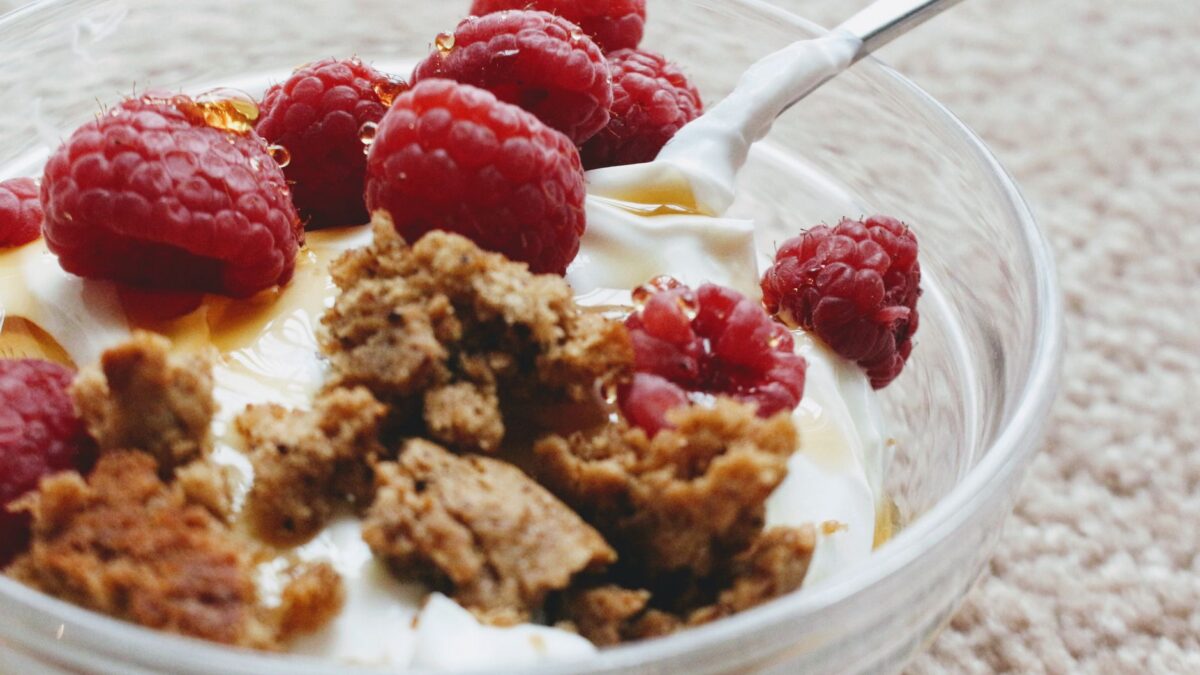
The best sour cream substitute for baking is full-fat plain Greek yogurt, used 1:1 by volume or weight (1 cup is about 227 g). Regular plain yogurt also works 1:1 but is a little thinner. Buttermilk, thinned cream cheese and crème fraîche work too, with small liquid or fat adjustments. All of them keep the acid that recipes with baking soda need.
What sour cream does in a batter
Sour cream shows up in coffee cakes, pound cakes, chocolate cakes and many muffin recipes because it delivers three things at once:
- Acid. It reacts with baking soda for lift and helps keep the crumb tender. See baking powder vs baking soda.
- Fat. Under the US standard of identity, sour cream must contain at least 18% milkfat (21 CFR 131.160). That fat gives a soft, rich, moist crumb.
- Thickness. Sour cream adds moisture without thinning the batter, so muffins keep their shape and domes.
A good substitute matches the acid and thickness. If it is lower in fat, the result is a little leaner but usually still very good.
Sour cream substitutes compared
| Substitute for 1 cup (227 g) sour cream | Amount | Adjustment | Best for |
|---|---|---|---|
| Full-fat Greek yogurt | 1 cup, 1:1 | None; for richer cakes add 1–2 tbsp melted butter | Muffins, coffee cake, pound cake, chocolate cake |
| Plain whole-milk yogurt | 1 cup, 1:1 | Batter may be slightly looser; hold back 1 tbsp liquid if needed | Muffins, snack cakes, quick breads |
| Crème fraîche | 1 cup, 1:1 | Richer; little or no adjustment | Pound cake, scones, rich cakes |
| Cream cheese, thinned | 3/4 cup (170 g) softened cream cheese + 1/4 cup (60 ml) milk | Beat until smooth before adding | Pound cake, coffee cake, cheesecake-style bars |
| Buttermilk | 1 cup buttermilk, and reduce other liquid by about 1/4–1/2 cup | Much thinner; works only if the recipe has other liquid to cut | Muffins, chocolate cake |
| Cottage cheese, blended | 1 cup blended smooth + 1 tbsp lemon juice | Blend until no curds remain | Savory muffins, quick breads |
Weights follow the King Arthur ingredient weight chart, which lists sour cream, yogurt and cream cheese at 227 g per cup.
Greek yogurt: the go-to swap
Strained Greek yogurt has almost the same thick texture as sour cream and a similar tang. The main difference is fat: full-fat Greek yogurt contains much less fat than sour cream, and nonfat versions contain almost none. In a muffin, that difference is hard to notice. In a pound cake, where sour cream is a major ingredient, the crumb can be slightly drier and firmer.
- Use plain, unsweetened, full-fat Greek yogurt if possible. Vanilla yogurt adds sugar and flavor.
- Let it warm on the counter for 20–30 minutes so it blends smoothly with butter and eggs. Cold yogurt can make melted butter seize into lumps; more on this in room-temperature ingredients.
- Stir it before measuring, since whey can separate on top.
- For a rich cake, add 1–2 tablespoons of melted butter per cup of yogurt to make up some of the missing fat.
Nonfat Greek yogurt is the least forgiving choice. It works in muffins but can make cakes rubbery. If that is all you have, the butter addition helps.
Buttermilk: good flavor, wrong thickness
Buttermilk has the right acidity but is pourable, so it thins the batter. Use it only if the recipe also includes milk, water or juice that you can reduce. For each cup of sour cream replaced with buttermilk, cut the other liquid by about 1/4 to 1/2 cup, and expect a lighter, less rich crumb. If you only have milk, make soured milk first with the buttermilk substitute method.
Cream cheese: rich and dense
Cream cheese is richer than sour cream (US cream cheese must contain at least 33% milkfat) and much thicker. Thinned with milk, it suits pound cakes and coffee cakes, where its density and mild tang are welcome. It is too heavy for light, fluffy muffins. Beat the cream cheese smooth with the milk before adding it, or small lumps will bake into the crumb.
Muffins vs cakes: which swap to pick
Muffins and quick breads
Muffins are forgiving. Greek yogurt or plain yogurt works well, and even buttermilk is fine if you reduce the liquid. If the muffins turn out dense, look at mixing and measuring rather than the dairy swap; see why muffins are dense.
Pound cakes and coffee cakes
Here sour cream is often a main ingredient, so fat matters more. Choose full-fat Greek yogurt with a little melted butter, crème fraîche, or thinned cream cheese.
Chocolate cakes
Many chocolate cake recipes pair sour cream with baking soda and natural cocoa. Keep an acidic swap (yogurt or buttermilk) so the soda still reacts.
Dairy-free options
Plain unsweetened soy or coconut yogurt can replace sour cream 1:1 in muffins and quick breads. Coconut yogurt is richer; soy yogurt is closer in protein to dairy. Check the label for added sugar and for allergens, since many plant yogurts contain soy or tree nuts. Milk is one of the major food allergens, and anyone with a milk allergy should rely on clear labeling and their doctor’s advice.
Bottom line
Reach for full-fat plain Greek yogurt and swap it cup for cup. Add a spoonful of melted butter if the recipe is a rich pound or coffee cake. Use buttermilk only when you can cut other liquid, and save cream cheese for dense cakes where its richness helps.
FAQ
Can I use mayonnaise instead of sour cream in baking?
Some old-fashioned chocolate cake recipes use mayonnaise, which is mostly oil and egg. It adds fat but little tang, so it is not a reliable general swap for sour cream. Yogurt is the safer choice.
Is light sour cream a good substitute for regular?
It works in muffins, but it contains more water and less fat, so cakes can come out slightly gummy or less tender. Full-fat Greek yogurt behaves more predictably.
Can I substitute sour cream with yogurt in a recipe that has baking powder only?
Yes. The acid matters less without baking soda, so yogurt works 1:1 and mainly affects flavor and texture.
How long does an opened container of sour cream keep?
Keep it refrigerated and follow the date and storage guidance on the package. Discard it if you see mold or notice an off smell.