Salted vs Unsalted Butter in Baking: How Much Salt to Cut
You can swap salted and unsalted butter in most recipes. Cut about 1/4 teaspoon of salt per 1/2 cup of salted butter, and here is how to adjust.
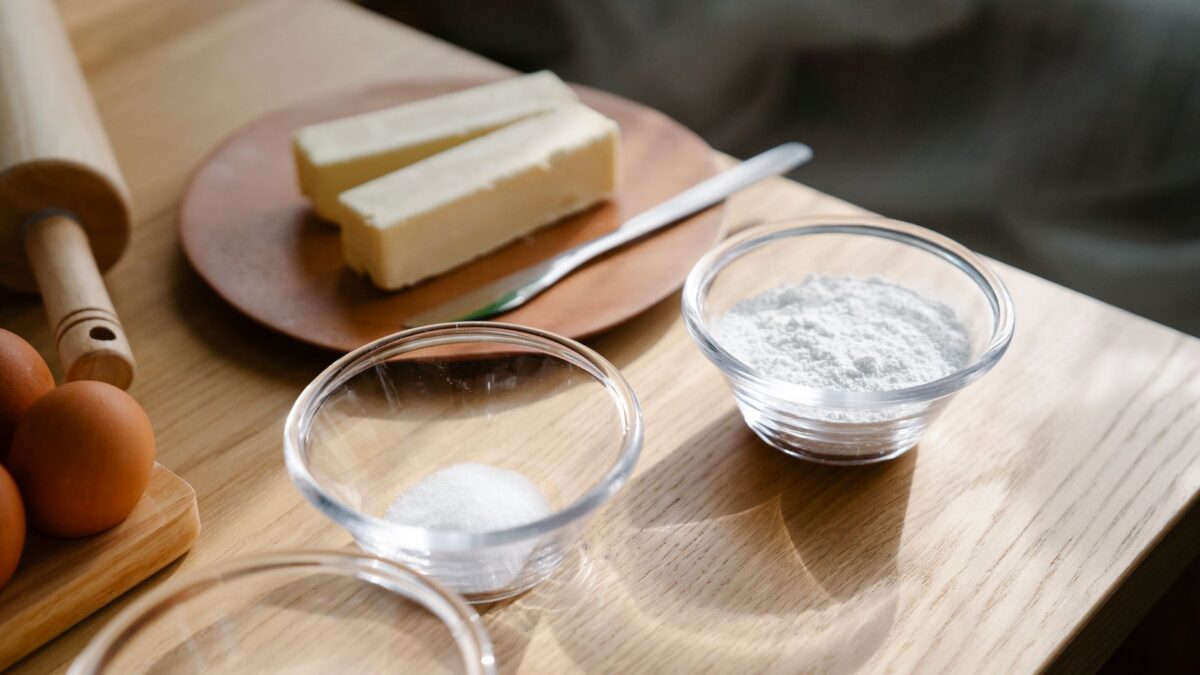
You can swap salted butter for unsalted butter in nearly any baking recipe, and the usual adjustment is to cut about 1/4 teaspoon of salt for every 1/2 cup (113 g, one US stick) of salted butter. Salt levels vary by brand, and some salted butters contain closer to 1/2 teaspoon per stick, so start with the smaller cut and taste the batter when it is safe to do so.
Going the other way, from unsalted to salted butter, means adding salt back: stir in about 1/4 teaspoon per 1/2 cup of butter if the recipe called for unsalted butter and a separate measure of salt.
Why do recipes ask for unsalted butter?
Unsalted butter lets the baker control the total salt in a recipe. The amount of salt in salted butter is not standardized across brands, so one stick can taste noticeably saltier than another. Recipe writers who call for unsalted butter can then give one exact amount of salt and expect consistent results.
Unsalted butter also tends to taste more plainly of cream, which suits delicate cookies, shortbread and buttercream where the butter is the main flavor. Salt is not only seasoning in baking. It also tightens dough slightly and balances sweetness, so the amount matters in yeast breads and sweet doughs alike.
How much salt do you cut when using salted butter?
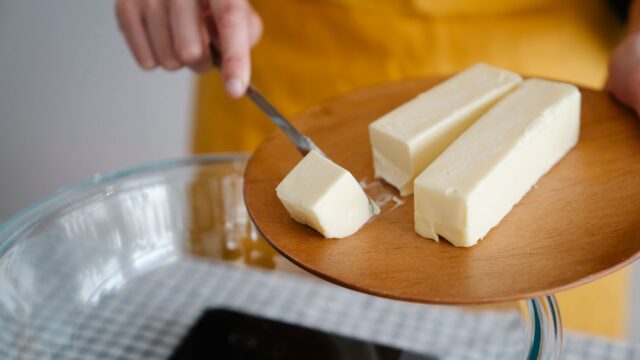
Reduce the added salt by about 1/4 teaspoon for each 1/2 cup (113 g) of salted butter. For a recipe with 1 cup (227 g) of butter, that means cutting about 1/2 teaspoon.
- 1/2 cup (113 g) of salted butter: remove about 1/4 teaspoon of salt.
- 1 cup (227 g) of salted butter: remove about 1/2 teaspoon of salt.
- 2 cups (454 g) of salted butter: remove about 1 teaspoon of salt.
If the recipe lists only a small pinch of salt, or none, there may be little or nothing to cut. In that case, use the salted butter as written and expect a slightly saltier result. A cups to grams converter helps when you want to weigh the butter instead of measuring sticks and tablespoons.
Can you use unsalted butter in a recipe that calls for salted?
Yes, but add salt. Use about 1/4 teaspoon of fine salt per 1/2 cup (113 g) of butter, and adjust to taste in recipes you know well. Coarse kosher salt is lighter by volume than table salt, and crystal size varies by brand, so a scale or a pinch of fine salt gives more even results.
When does the swap matter most?
In sturdy recipes such as brownies, banana bread and muffins, a small salt difference is hard to notice. It shows up more in:
- Shortbread and butter cookies, where butter and salt are most of the flavor.
- Frosting and buttercream, where salty butter can taste sharp against the sugar.
- Yeast doughs, because salt slows and steadies fermentation, so a big change can affect rise and texture.
- Brown butter and caramel, where the flavor concentrates as water cooks off.
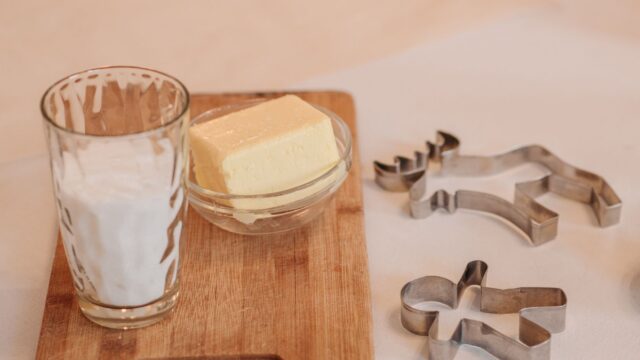
For sugar cookies that must hold their shape, the butter swap rarely changes structure, since salt adds only a little. See the notes on chilling and rolling in this guide to cut-out Christmas sugar cookies.
Does salted butter affect freshness and storage?
Salt acts as a mild preservative, so salted butter generally keeps a little longer in the refrigerator than unsalted. Both should stay refrigerated and wrapped well, since butter picks up odors from other foods. For recommended storage times, check the USDA’s FoodSafety.gov guidance, which includes the FoodKeeper tool. Freezing works for both types.
Does the swap change butter-heavy recipes differently from oil-based ones?
Butter is about 80 percent fat, with the rest mostly water and milk solids, which is why it browns and flavors baked goods differently from oil. If you are replacing butter entirely rather than switching types, read butter substitutes for baking for what changes with oil, margarine and other options, and oil vs butter in muffins for moisture and shelf life. Many plant-based spreads are also salted, so the same salt reduction applies.
Quick answers
Which butter is better for baking?
Neither is better in every case. Unsalted butter gives you control over salt and is the default in most recipes. Salted butter works well when you adjust the added salt.
What if a recipe does not say which butter to use?
Use unsalted if you have it and add the salt the recipe lists. If you only have salted, use it and reduce the salt slightly.
Can I just leave out the salt entirely with salted butter?
For a small amount of butter, often yes. For larger amounts of flour or in yeast breads, cutting the recommended quantity, not all of it, keeps flavor and texture closer to the original.
Does butter temperature change when I swap types?
No. Salted and unsalted butter behave the same when creaming or rubbing in, so follow the temperature given in the recipe.