Brown Sugar Substitute: White Sugar and Molasses, Light vs Dark, and Coconut Sugar
Brown sugar is white sugar with molasses. Rebuild it at home in two minutes, or swap in another sugar if you know what the molasses was doing.
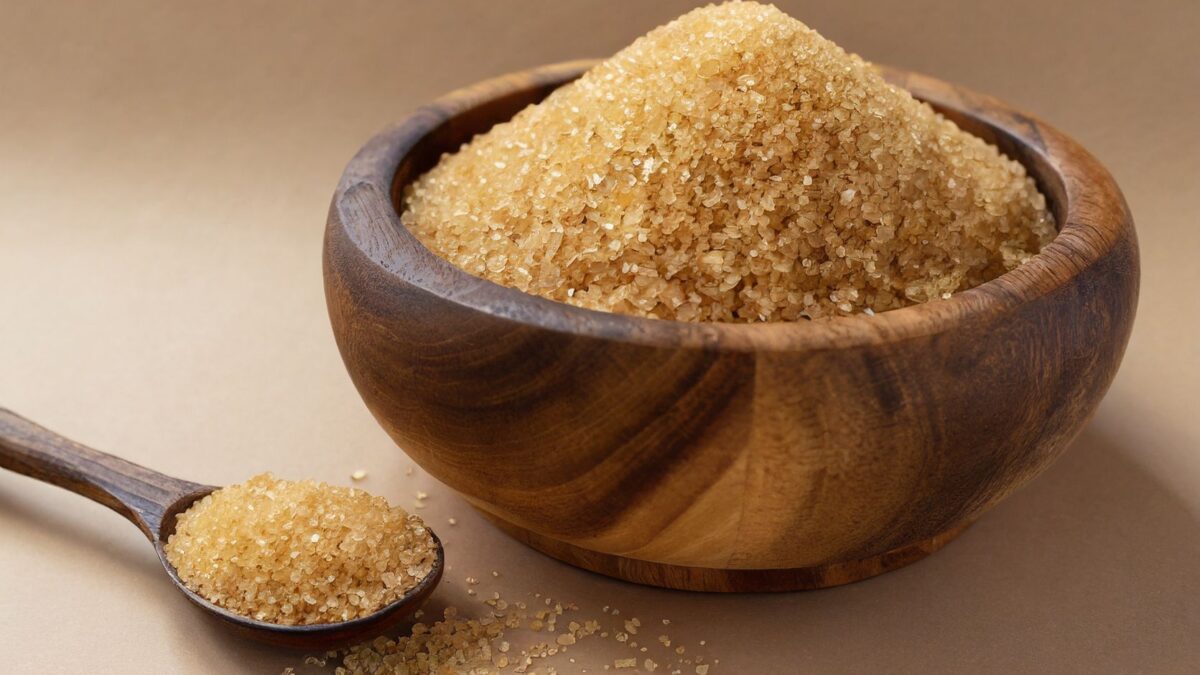
To make a brown sugar substitute, mix 1 cup (198 g) granulated sugar with 1 tablespoon (21 g) molasses for light brown sugar, or 2 tablespoons (42 g) molasses for dark brown sugar, until evenly colored. Use it cup for cup, packed, like store-bought brown sugar. Plain white sugar also works in a pinch, but bakes come out crisper, paler and less moist.
What brown sugar adds to a recipe
Most brown sugar sold in the US is refined white sugar with some cane molasses added back. That small amount of molasses changes a recipe in four ways:
- Moisture. Molasses is hygroscopic, meaning it attracts and holds water. Brown sugar keeps muffins and cookies soft and chewy.
- Acidity. Molasses is slightly acidic, so it reacts with baking soda. Recipes heavy in brown sugar often rely on that reaction for lift.
- Flavor and color. Caramel and toffee notes, and a deeper brown crumb.
- Spread and chew. In cookies, brown sugar gives a softer, chewier, thicker result than white sugar. See chewy vs crispy cookies.
The bigger picture of how sugar works in batters is in sugar in baking.
How to make brown sugar at home
- Put 1 cup (198 g) granulated sugar in a bowl.
- Add 1 tablespoon molasses for light brown sugar, or 2 tablespoons for dark. Use unsulfured, mild or full-flavor molasses; blackstrap is bitter and too strong.
- Mix with a fork, then rub with your fingertips until no dark streaks remain. A stand mixer or food processor does this in about a minute.
- Measure it packed, the same way the recipe asks for brown sugar.
Weights follow the King Arthur ingredient weight chart: granulated sugar 198 g per cup, packed brown sugar 213 g per cup, molasses 85 g per 1/4 cup (about 21 g per tablespoon). For other conversions, see cups to grams for baking.
Shortcut: skip the premixing
If the recipe creams butter and sugar, you can add the white sugar and molasses separately: cream the sugar with the butter, then beat in the molasses with the eggs. The result is the same.
Brown sugar substitutes compared
| Substitute for 1 cup packed brown sugar | Amount | Moisture | Effect on the bake |
|---|---|---|---|
| White sugar + molasses | 1 cup sugar + 1 tbsp (light) or 2 tbsp (dark) molasses | Same | Closest match in taste and texture |
| Granulated sugar alone | 1 cup (198 g) | Lower | Crisper cookies, paler color, slightly less tender muffins |
| White sugar + maple syrup or honey | 1 cup sugar + 1–2 tbsp syrup | Similar | Close texture; different flavor, browns faster |
| Coconut sugar | 1 cup, 1:1 by volume | Lower (drier granules) | Caramel flavor, darker color, slightly drier and more crumbly |
| Light or dark muscovado | 1 cup, packed, 1:1 | Higher | Stronger molasses flavor, very moist; dark muscovado is intense |
| Turbinado or demerara | 1 cup, 1:1 | Low | Large crystals do not dissolve well in batters; best for sprinkling on top |
Light vs dark brown sugar
Dark brown sugar has roughly twice as much molasses as light, which is why the homemade ratio doubles. In most muffins, quick breads and cookies, you can swap one for the other 1:1. Dark brown sugar gives deeper color and a stronger flavor and is a good fit for gingerbread, spice cakes, bran muffins and chocolate chip cookies with a toffee note. Light brown sugar is milder and suits fruit muffins and vanilla-forward bakes.
If a recipe is sensitive to acid, for example one that uses only baking soda for lift, the extra molasses in dark brown sugar adds slightly more acidity. In practice the difference is small.
Using white sugar instead of brown
A straight 1:1 swap works when you have no molasses. Expect these changes:
- Cookies spread more, bake crisper and lighter in color. If the dough seems dry, a tablespoon of milk can help bring it together.
- Muffins and quick breads are slightly less moist and stale a little faster. The difference is mild because these recipes contain plenty of liquid.
- Recipes with only baking soda may rise a bit less because there is less acid. Cookies are usually fine; for cakes, a pinch of cream of tartar or a spoonful of yogurt can make up some acid.
Coconut sugar
Coconut sugar is made from the sap of coconut palm flowers. It looks like brown sugar but behaves more like a dry granulated sugar. It swaps 1:1 by volume, though its granules are lighter, so a cup weighs less. Bakes tend to be a little drier and darker. Many bakers add a tablespoon of oil or milk to cookie doughs made with it, or grind it finer in a blender so it dissolves better. It is still sugar; nutritionally it is not a low-sugar option.
Fixing hard brown sugar
Brown sugar hardens when its moisture evaporates. To soften it:
- Seal it in a container with a slice of bread or apple overnight.
- For a quick fix, microwave it in a bowl covered with a damp paper towel in short bursts, breaking it up between each.
- Store it airtight. A terracotta sugar saver, soaked in water and kept in the container, helps keep it soft.
Homemade brown sugar hardens faster than store-bought, so make only what you need.
Bottom line
For a near-perfect match, mix 1 cup white sugar with 1 tablespoon molasses (light) or 2 tablespoons (dark). If you have no molasses, white sugar works with crisper, paler results. Coconut sugar and muscovado are good flavor swaps, while turbinado and demerara are best used as toppings.
FAQ
Can I use maple syrup instead of molasses to make brown sugar?
Yes. Mixing 1 cup white sugar with 1–2 tablespoons maple syrup gives a moist sugar with a maple note. It will not taste like molasses, but it works well in muffins and cookies.
Is brown sugar healthier than white sugar?
Not in any meaningful way. The molasses adds only trace amounts of minerals. Choose brown or white sugar for flavor and texture, not health.
Why does my recipe say “packed” brown sugar?
Brown sugar is moist and fluffy, so loosely spooned it can weigh much less than intended. Pressing it firmly into the cup gives a consistent amount, about 213 g per cup.
Can I use brown sugar instead of white sugar?
Usually, yes, 1:1 packed. Expect a moister, chewier, darker result with a caramel flavor. It is less suitable for very pale or crisp bakes such as sugar cookies or angel food cake.