Stand Mixer Buying Guide: Bowl Size, Power and Mixer Type
Most home bakers need a 4.5 to 5 quart tilt-head stand mixer. See when to choose a bigger bowl-lift model, how to judge power and which attachments matter.
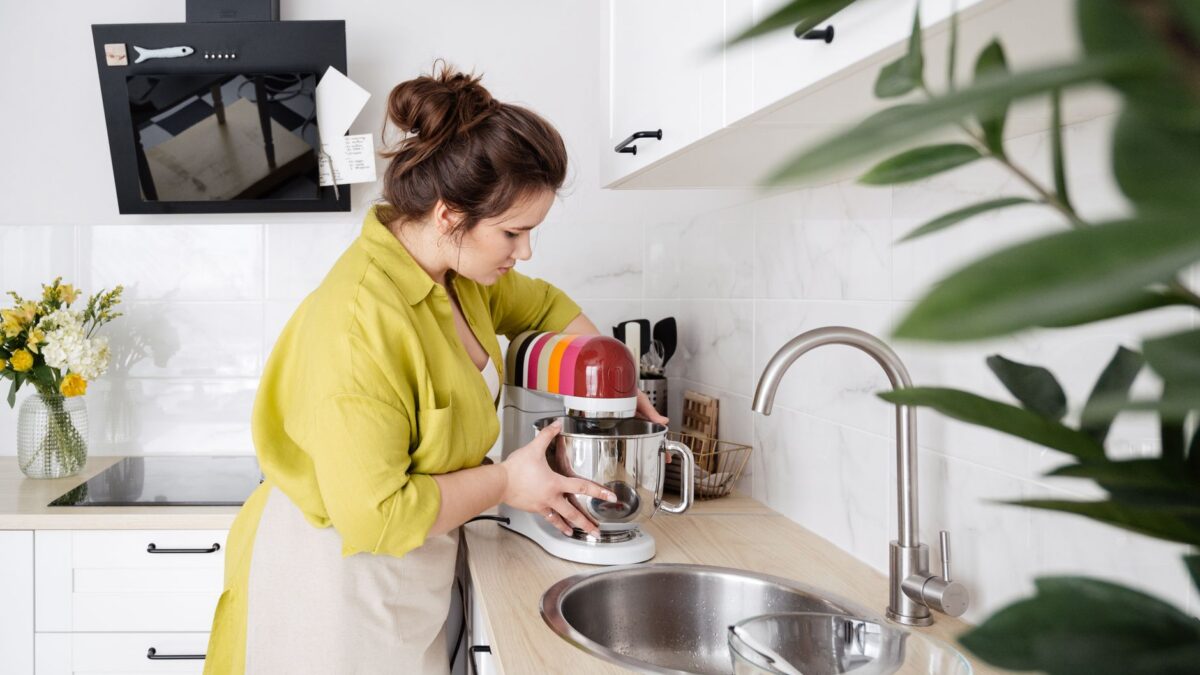
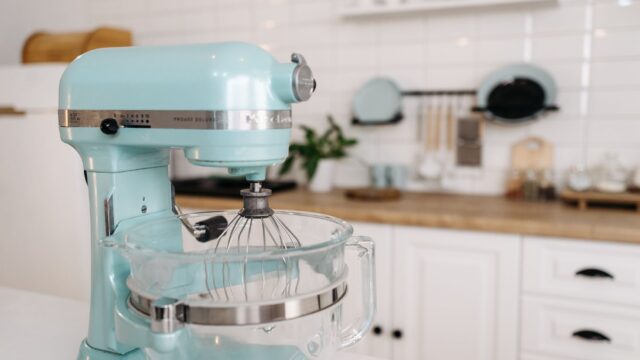
A 4.5 to 5 quart tilt-head stand mixer with a flat beater, a wire whip and a dough hook is enough for most home bakers. A bowl-lift model with a 6 quart or larger bowl suits people who bake bread weekly, double their cookie batches or knead stiff dough. Motor wattage differs between brands and says little by itself, so compare bowl capacity, build quality and the dough capacity the manufacturer states.
What bowl size should a stand mixer have?
A 4.5 to 5 quart bowl is the right size for most households, and 6 quarts or more suits large batches. A bowl in that smaller range handles a standard cake batter, a single batch of cookie dough or one to two loaves of bread dough. Bowls of 6 to 8 quarts are built for double batches, holiday baking marathons and several loaves at once.
Bigger is not automatically better. Very small amounts, such as one or two egg whites or a half batch of frosting, can sit below the reach of the beater in a large bowl. If you are choosing between sizes of one brand, the article on KitchenAid stand mixer sizes compared lays out the differences between 4.5, 5, 6 and 7 quart bowls.
How much power does a stand mixer need?
A stand mixer needs enough power to knead dough without straining, and the wattage on the box is a poor guide to that. Home models commonly run from roughly 250 to 1,000 watts, but brands measure and state motor power in different ways, so the numbers cannot be compared directly.
Better signals include:
- The maximum dough the manufacturer allows, often given as cups of flour in the manual.
- The drive type: direct-drive motors are simpler, while gear-driven mixers are usually favored for heavy, frequent dough work.
- Whether the mixer holds a steady speed in stiff mixtures such as bagel dough or dense cookie dough.
Stiff doughs strain any home motor. Mixing on low speed and staying under the stated capacity protects it. If the motor housing gets very hot or you smell burning, stop and let it rest.
Is a tilt-head or a bowl-lift mixer better?
A tilt-head mixer is better for light and medium work and for convenience, and a bowl-lift mixer is better for heavy dough and large bowls. In a tilt-head, the motor head hinges upward, which makes it easy to add ingredients, scrape the bowl and swap beaters. These mixers usually come with bowls of about 3.5 to 5 quarts. The head can shake with very stiff dough, and the raised head needs clearance under a cabinet.
In a bowl-lift model, the bowl sits on arms that crank upward to the beater while the head stays fixed. The design is sturdier under load and usually pairs with 5 to 8 quart bowls. These mixers are heavier and taller, and adding ingredients around the fixed head can be awkward, though a pouring shield helps.
Measure the space under your cabinets with a tilt-head raised before you buy, and check that you can lift the mixer to where you will store it.
Which attachments come with a stand mixer?
Almost every stand mixer comes with three attachments: a flat beater, a wire whip and a dough hook. Each has one main job.
- The flat beater creams butter and sugar and mixes cake batter, cookie dough and mashed potatoes.
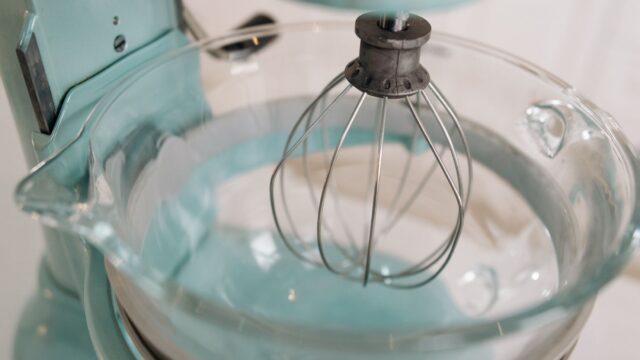
- The wire whip aerates egg whites, cream and meringue.
- The dough hook kneads yeast dough.
Many mixers have a front hub where optional attachments connect, such as pasta rollers and cutters, food grinders, spiralizers and ice cream bowls. Confirm that an attachment fits your exact model and brand before buying, since hubs and sizes vary. A scraper-edge beater, which wipes the bowl as it turns, is a convenience upgrade, and most bakers can skip the rest until they have a specific use for them.
What else should you check before buying?
Check the bowl material, the beater clearance, the speed range, the weight and the care instructions. Each affects how the mixer works over years of use.
- Bowl material. Stainless steel is light and hard to break. Glass and ceramic bowls let you see the mixture but weigh more.
- Beater clearance. The beater should nearly touch the bottom of the bowl without scraping it. Some models let you adjust this.
- Speed range. A low starting speed prevents flour from flying out of the bowl.
- Weight and stability. A heavier base stays put when kneading dough.
- Cleaning. Check which bowls and attachments can go in the dishwasher.
If the price is a concern, the guide to refurbished stand mixers explains what to inspect, and the roundup of Black Friday baking deals covers which tools are worth buying on sale.
Quick answers
Do I need a stand mixer for muffins?
No. Muffin batter is mixed by hand with a spatula until the dry flour just disappears, because overmixing makes muffins tough. The comparison of a stand mixer and a hand mixer explains what each tool does well.
Can a stand mixer replace kneading by hand?
Yes, for most yeast doughs. The dough hook usually kneads a dough in several minutes on a low speed. Stay within the dough capacity in the manual.
Is a larger bowl always better?
No. A large bowl handles big batches, but small amounts can slip below the beater’s reach. A 4.5 to 5 quart bowl covers the majority of home recipes.