Refurbished Stand Mixers: What to Check Before Buying One
A refurbished stand mixer is worth buying when the seller gives a written warranty and the motor runs smoothly. Checks for motor, bowl, parts and returns.
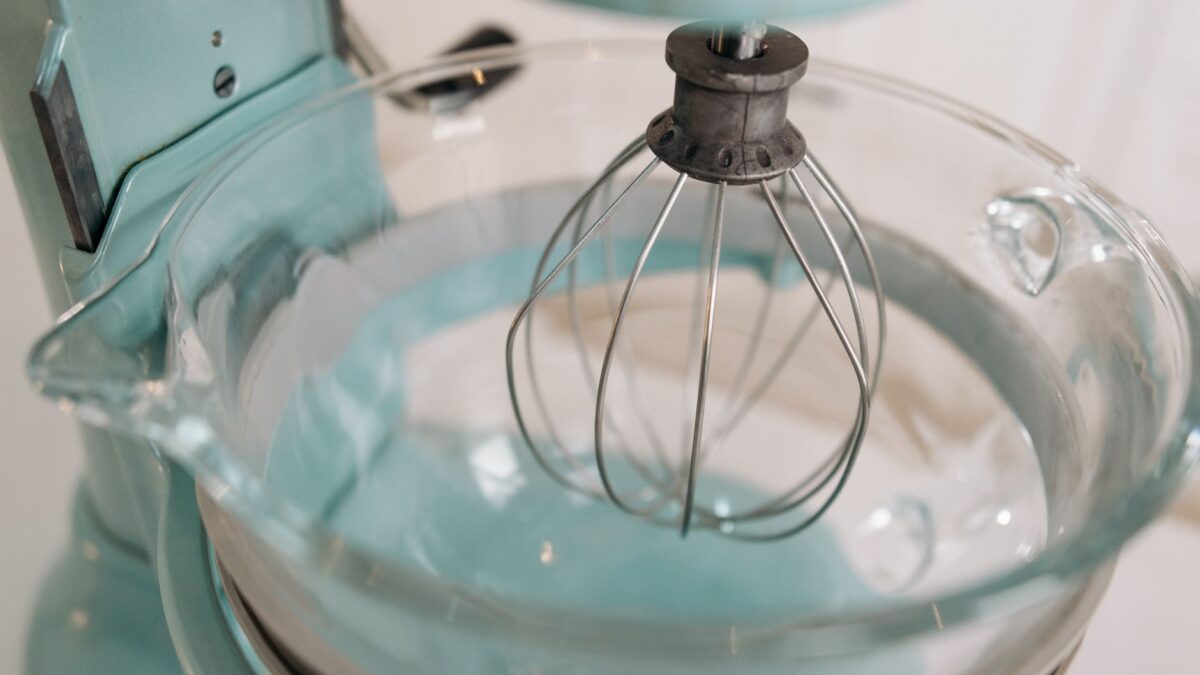
A refurbished stand mixer can be a sensible buy if it comes from the manufacturer or an authorized refurbisher, carries a written warranty and a clear return window, and runs smoothly and quietly through every speed. Before you pay, check who did the refurbishing, what the warranty covers, which parts and attachments are included, and whether the bowl and beater fit without play or scraping. If any of those answers are vague, a discounted new mixer or a different seller is usually the safer choice.
What does “refurbished” actually mean for a stand mixer?
“Refurbished” means a mixer was returned, repaired or inspected and then resold, but the term has no single standard, so its meaning depends entirely on who uses it. The main types you will see:
- Manufacturer refurbished (factory reconditioned): the brand itself inspected and repaired the unit, replaced worn parts as needed and usually sells it with its own warranty. This is generally the most reliable option.
- Seller or third-party refurbished: a retailer or repair shop did the work. Quality varies widely, and the warranty, if any, comes from the seller rather than the brand.
- Open box: a returned item that may never have been used much, often sold as is or with a short store warranty.
- Used or “pre-owned”: sold in whatever condition the previous owner left it, with no repair work implied.
Read the listing for the exact wording, and if it only says “refurbished” without naming who did the work, ask before buying.
What warranty and return policy should you expect?
You should expect a written warranty of some length and a return window long enough to test the mixer with real dough. Refurbished warranties are often shorter than those on new machines, so compare the two before deciding the discount is worth it. Check these points:
- Who honors the warranty: the brand or only the seller.
- Whether it covers the motor and gearbox, not just cosmetic parts.
- Whether you pay return shipping on a heavy appliance, which can be costly.
- Whether the return window starts on the order date or the delivery date.
Keep the receipt, the listing description and the box until the return period ends.
How do you check the motor and gears?
The motor and gears are the most expensive parts to fix, so test them first and at every speed. Run the mixer empty from the lowest to the highest setting and listen and watch for warning signs:
- Smooth start: the beater should begin turning promptly and steadily at the lowest speed, without stalling or jerking.
- Even speed changes: each step up should sound and feel like a clear, smooth increase.
- Normal noise: a steady hum is expected. Grinding, clicking, knocking or a rising whine can point to worn gears.
- No burning smell: a faint smell on a brand-new motor can be normal, but a strong or persistent burning odor on a refurbished unit is a reason to return it.
- No leaks: grease or oil dripping from the head or around the beater shaft suggests the gearbox needs servicing.
- Load test: once you have it home, mix a stiff cookie dough or a small batch of bread dough within the return window. A healthy mixer should keep its speed without straining badly or overheating.
Some warmth on the housing after a long knead is normal; a body too hot to touch comfortably is not.
What should you inspect on the bowl, head and attachments?
The bowl, head and attachments should fit snugly and line up correctly, because a poor fit causes uneven mixing and wear. Look closely at:
- Bowl: no dents, cracks or loose handles, and it should lock firmly onto the base or bowl-lift arms without wobbling.
- Tilt-head or bowl-lift mechanism: the head should lock in both the up and down positions, and a bowl-lift arm should raise and lower evenly.
- Beater clearance: the flat beater should come close to the bottom of the bowl without scraping it. Many mixers have an adjustment screw for this, and the owner’s manual explains how to set it.
- Attachments: the flat beater, dough hook and whisk should be included unless the listing says otherwise. Coated beaters should not be chipped or flaking, and whisk wires should be straight and secure.
- Power cord and plug: no cuts, exposed wire, scorch marks or loose prongs.
- Attachment hub: the front hub cover should be present and the hub should be clean if you plan to use pasta, grinder or other add-ons.
Cosmetic scratches on the paint are common on refurbished units and do not affect performance, but cracks in the housing or a damaged cord are safety issues.
Which size and model should you pick?
Choose the size and model you would buy new, because a discount does not help if the bowl is too small or the motor too weak for what you bake. Bowl capacity, tilt-head versus bowl-lift design and motor power all vary between models, and our comparison of stand mixer bowl sizes from 4.5 to 7 quarts walks through which one suits different batch sizes. Also confirm the exact model number in the listing so you can look up its manual and compatible parts.
If you mostly bake muffins, quick breads and simple cakes, it is worth asking whether you need a stand mixer at all; the differences are covered in our guide to what stand mixers and hand mixers each do well.
When is a refurbished mixer not worth it?
A refurbished mixer is not worth it when the saving is small compared with a new one on sale, or when the seller offers no meaningful warranty. Skip it if:
- The price is close to what the same new model costs during a sale event. Holiday sales can narrow the gap, and our look at which baking tools are worth buying on sale can help you compare.
- The listing is sold “as is” with no returns.
- The model number, voltage or included parts are unclear.
- The voltage does not match your country. A mixer built for 220-240 volts will not work properly in a US 120-volt outlet, and the reverse is also true.
- Replacement parts for that model are hard to find.
Quick answers
Is a factory-refurbished stand mixer as good as new?
A factory-refurbished stand mixer should work like a new one because the brand inspected and repaired it, but it may have cosmetic marks and often a shorter warranty. Read the warranty terms before assuming they match a new unit.
Can I fix a refurbished mixer myself if it breaks?
Simple jobs such as adjusting beater clearance are usually covered in the owner’s manual. Opening the motor housing or regreasing the gearbox can void a warranty, so contact the seller or an authorized repair service first while coverage lasts.
Should I buy a used stand mixer from a private seller?
A private sale can work if you can see the mixer run at every speed before paying, but you will have no warranty or return option. Apply the same motor, bowl and cord checks, and walk away from grinding noises or leaks.