Buttermilk Substitute: 5 Swaps That Work in Muffins, Cakes and Quick Breads
The classic fix is soured milk: 1 tablespoon of lemon juice or white vinegar topped up to 1 cup with milk. Here is why it works, plus four other swaps and how they change the bake.
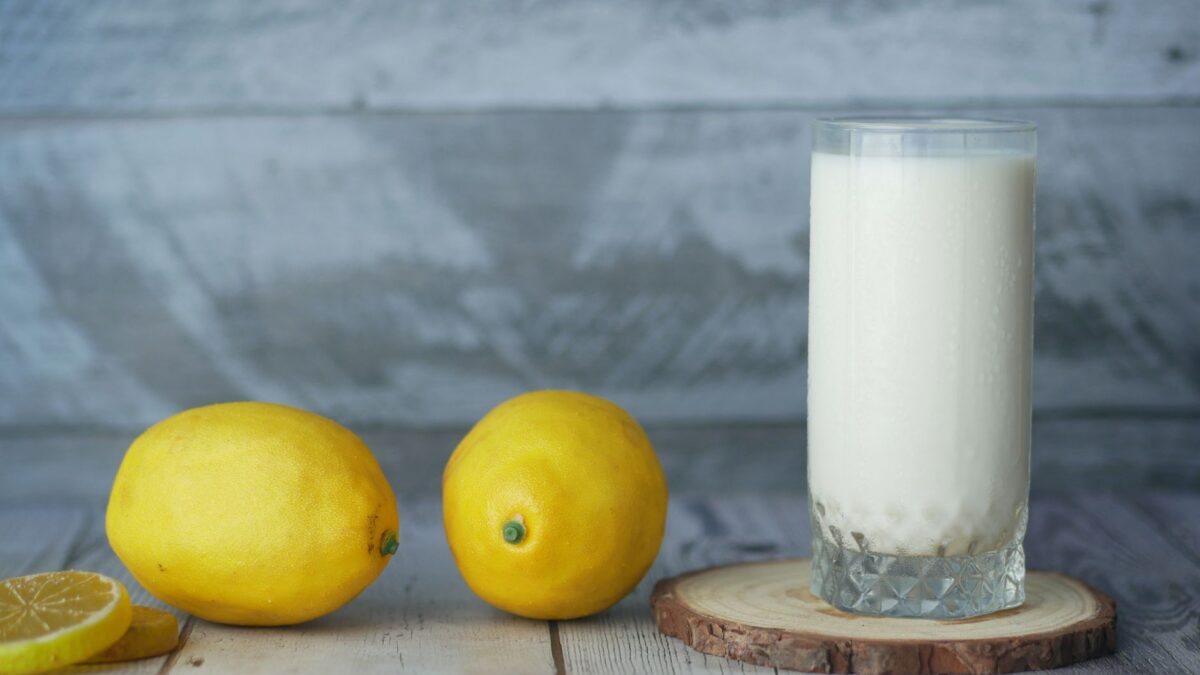
The quickest buttermilk substitute is soured milk: put 1 tablespoon (15 ml) of lemon juice or white vinegar in a measuring cup, add milk to the 1-cup line (about 240 ml total), stir and let it stand 5–10 minutes. Thinned plain yogurt, thinned sour cream and dried buttermilk powder also work, and all of them keep the acid your recipe’s baking soda needs.
Why recipes ask for buttermilk in the first place
Buttermilk does two jobs in a muffin or quick bread. First, it is acidic. Recipes that use buttermilk usually rely on baking soda, and baking soda only produces carbon dioxide when it meets an acid. Take the acid away and the batter rises less, browns more and can taste soapy. Second, buttermilk is thicker than milk and slightly tangy, which gives a tender crumb and a gentle sour note that balances sugar.
That means a good substitute has to replace the acid first and the thickness second. Flavor is a bonus. If you want the chemistry in more detail, see baking powder vs baking soda.
Buttermilk substitutes at a glance
| Substitute (for 1 cup buttermilk) | How to make it | Best for |
|---|---|---|
| Milk + lemon juice | 1 tbsp (15 ml) lemon juice + milk to 1 cup; rest 5–10 min | Muffins, pancakes, quick breads |
| Milk + white vinegar | 1 tbsp (15 ml) white or cider vinegar + milk to 1 cup; rest 5–10 min | Same as above; more neutral than lemon |
| Plain yogurt, thinned | 3/4 cup (170 g) yogurt + 1/4 cup (60 ml) milk or water | Cakes, muffins, soda bread; closest texture |
| Sour cream, thinned | 3/4 cup (170 g) sour cream + 1/4 cup (60 ml) milk | Richer cakes and coffee cakes |
| Dried buttermilk powder | 1/4 cup powder + 1 cup (227 g) water, per King Arthur’s package directions | Anything; keeps for months |
Weights in this article follow the King Arthur ingredient weight chart, which lists 1 cup of milk, buttermilk, yogurt or sour cream at 227 g.
How to make soured milk (the standard method)
- Pour 1 tablespoon (15 ml) of fresh lemon juice or white vinegar into a liquid measuring cup.
- Add milk until the liquid reaches the 1-cup line. Do not add a full cup of milk on top of the acid, or the mix will be slightly too thin and less sour.
- Stir and leave it at room temperature for 5–10 minutes. It will look a little thicker and may show small curds. That is normal.
- Stir again and use it exactly as you would buttermilk.
Scaling the ratio
| Buttermilk needed | Lemon juice or vinegar | Milk to top up to |
|---|---|---|
| 1/4 cup (60 ml) | 3/4 tsp | 1/4 cup line |
| 1/2 cup (120 ml) | 1 1/2 tsp | 1/2 cup line |
| 3/4 cup (180 ml) | 2 1/4 tsp | 3/4 cup line |
| 1 cup (240 ml) | 1 tbsp | 1 cup line |
| 2 cups (480 ml) | 2 tbsp | 2 cup line |
Which milk works best
Whole or 2% milk gives the closest result because the fat helps tenderness. Skim milk works but makes a leaner crumb. Ultra-pasteurized milk sometimes curdles less visibly; it still contains the acid and works fine. Plant milks can be soured the same way, though soy milk thickens more noticeably than almond or oat milk because it has more protein. For more on plant milks, see dairy-free baking swaps.
Yogurt, sour cream and kefir
Plain yogurt is already cultured and acidic, so it is the closest match for thickness and tang. Straight yogurt is thicker than buttermilk, so thin it: 3 parts yogurt to 1 part milk or water. Greek yogurt is thicker still; use about 2/3 cup (150 g) Greek yogurt plus 1/3 cup (80 ml) milk or water per cup of buttermilk. Avoid flavored or sweetened yogurt, which adds sugar and vanilla.
Sour cream works the same way but adds more fat, which makes cakes richer and slightly denser. It is a good fit for coffee cake or chocolate cake, less so for a lean bran muffin. See the sour cream substitute guide for the reverse swap.
Plain kefir is a cultured milk drink with a similar consistency and acidity to buttermilk. Bakers commonly use it 1:1.
Dried buttermilk powder
Buttermilk powder is a pantry option for people who rarely finish a carton. King Arthur’s directions are to whisk the powder into the dry ingredients, then add water where the recipe adds buttermilk: about 1/4 cup powder plus 1 cup water for each cup of buttermilk (1 part powder to 4 parts water). It does not dissolve well on its own, so mixing it with flour is easier than reconstituting it first. Once opened, it is usually stored in the refrigerator; follow the storage line on your package.
When a substitute changes the result
- Very thick batters (bran muffins, biscuits): soured milk is thinner than real cultured buttermilk. If the batter looks loose, hold back 1–2 tablespoons of liquid or switch to thinned yogurt.
- Delicate cakes: lemon juice can leave a faint citrus note. White vinegar is more neutral once baked.
- Recipes with only baking powder: the acid matters less, so plain milk often works. The cake will be a little less tangy and tender.
- Recipes with baking soda and no other acid: do not use plain milk. Without the acid, the soda will not react fully and can leave a metallic or soapy taste.
Can you skip the acid and add baking powder instead?
Yes, with care. If you must use plain milk in a buttermilk recipe, one approach is to reduce the baking soda and make up the lift with baking powder, which carries its own acid. The usual guideline is about three times as much baking powder as the baking soda you remove, which can taste slightly salty or bitter (see baking soda substitutes). Results vary by recipe, so the soured-milk method is simpler and more reliable.
Bottom line
For most muffins, quick breads and cakes, 1 tablespoon of lemon juice or vinegar topped up to 1 cup with milk is all you need. Choose thinned yogurt when you want the closest texture, sour cream when you want richness, and buttermilk powder if you bake with buttermilk only now and then. Whatever you pick, keep the acid in place whenever the recipe uses baking soda.
FAQ
Does soured milk need to curdle before I use it?
No. Visible curds are not required. After 5–10 minutes the acid has done its job, even if the milk only looks slightly thicker.
Can I use apple cider vinegar or bottled lemon juice?
Yes. Cider vinegar and bottled lemon juice both work at the same 1 tablespoon per cup ratio. Avoid balsamic or malt vinegar, which add strong color and flavor.
Can I freeze leftover buttermilk?
Many bakers freeze leftover buttermilk in measured portions. It may separate after thawing; shake or whisk it and use it in baking rather than for drinking.
Is a buttermilk substitute dairy-free?
Only if you use a plant milk. Milk, yogurt, sour cream and buttermilk powder all contain milk, one of the major food allergens. Check labels if you are baking for someone with a milk allergy.