Non-Toxic Baking Sheets and Pans: Every Material Explained
Stainless steel, cast iron, glass and stoneware are the most inert baking pans. How aluminum, nonstick, ceramic and silicone compare.
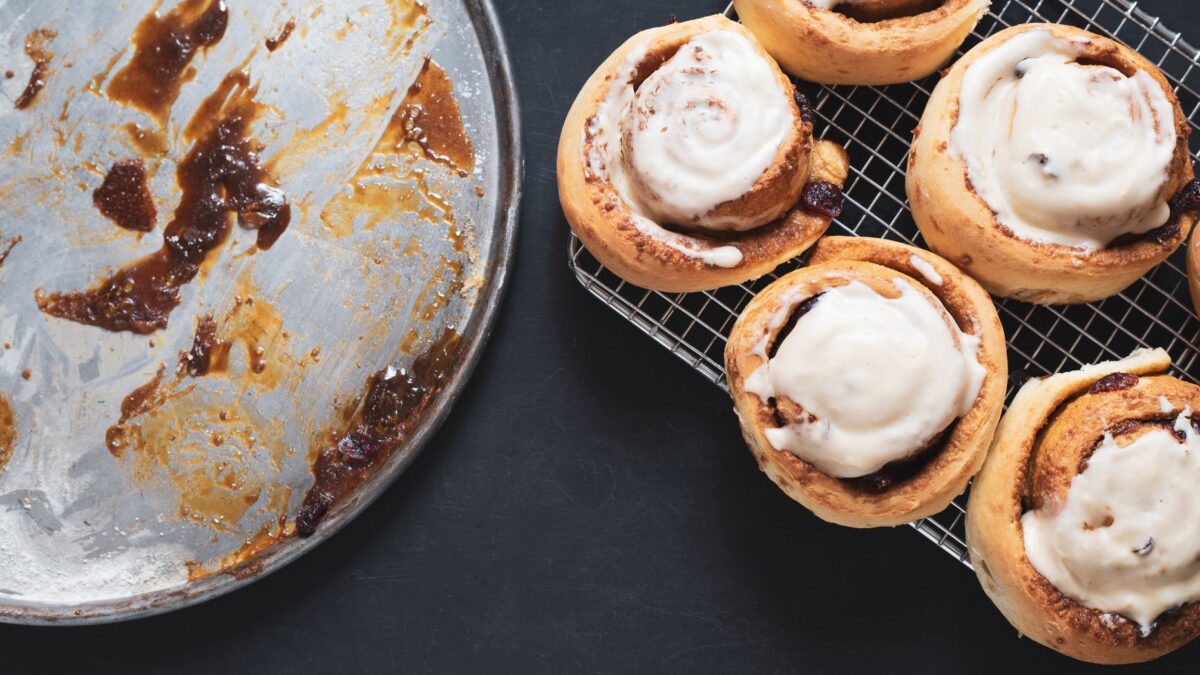
The baking pans least likely to react with food or release coatings are uncoated stainless steel, seasoned cast iron or carbon steel, oven-safe glass and lead-free stoneware. Plain aluminum and modern PTFE nonstick pans are also considered safe for home baking when used as the maker intends, which mostly means keeping nonstick below about 500°F (260°C) and replacing pans whose coating is flaking. “Non-toxic” has no legal definition on cookware labels, so the material matters more than the marketing word.
What does “non-toxic” mean on a baking pan label?
On bakeware, “non-toxic” is a marketing phrase and does not certify anything by itself. Any pan sold for food contact in the United States must already use materials the U.S. Food and Drug Administration allows for that purpose. Buyers who use the term usually want one of these:
- no PTFE or other PFAS chemicals in the coating
- no lead or cadmium in glazes or enamel
- a surface that does not react with acidic batters and fruit
- a coating that will not chip into food
Labels such as “PFOA-free” or “PFAS-free” tell you which of these a pan is aiming at. A pan made of a single uncoated material avoids most of the questions.
Is aluminum bakeware safe?
Plain aluminum is the most common material for half sheet pans and cake pans, and it is generally considered safe for baking. It heats quickly and evenly, which is why bakeries use it. Bare aluminum can react with acidic foods such as tomato, citrus or rhubarb, which may discolor the pan and leave a metallic taste, and small amounts of aluminum can move into the food. Lining the pan with parchment for acidic recipes avoids that contact.
Anodized aluminum has a hardened, sealed surface made by an electrochemical process. It reacts far less with food and resists scratching. Many “aluminized steel” pans are steel coated with aluminum, often with a nonstick layer on top, so check what the final cooking surface is. The guide to half sheets, cookie sheets and insulated pans covers sizes and liners for these everyday sheets.
Is nonstick bakeware toxic?
Traditional nonstick coatings are made of PTFE (polytetrafluoroethylene), a member of the PFAS chemical family. At normal baking temperatures PTFE is stable. Above roughly 500°F (260°C) it starts to break down and can give off fumes that cause flu-like symptoms in people and are dangerous to pet birds. Most cake, muffin and cookie recipes bake between 325°F and 425°F (165°C and 220°C), well under that point, but broiling and empty preheating can push a pan higher.
PFOA, a chemical once used to make PTFE, was phased out of U.S. production under an agreement with the U.S. Environmental Protection Agency, which is why many pans now say “PFOA-free.” That label does not mean the pan is PTFE-free. To use nonstick pans safely:
- keep them out of the broiler and below the maker’s maximum temperature
- use wooden, silicone or nylon tools instead of metal
- wash by hand, since dishwasher detergent wears the coating
- replace pans once the coating scratches, peels or flakes
Are ceramic nonstick pans a safer choice?
“Ceramic” nonstick pans are usually metal pans coated with a silica-based layer applied as a gel and cured, sometimes called sol-gel. They contain no PTFE, which is their main appeal. The release is good when new but tends to fade faster than PTFE, especially with high heat, cooking sprays and dishwashers. Follow the maker’s temperature limit and expect to replace them sooner. Solid ceramic or stoneware dishes are a different product; they are fired clay with a glaze.
Which pan materials have no coating at all?
These materials have no coating to wear off:
- Stainless steel is nonreactive and very durable. It heats less evenly than aluminum, so cookies can brown in hot spots, and sticky batters need parchment or grease. People with a nickel allergy sometimes prefer other materials, since most cookware stainless contains nickel.
- Cast iron and carbon steel are bare metal protected by seasoning, a layer of oil baked onto the surface. They hold heat well for cornbread, skillet cookies and pizza. They add small amounts of iron to food and can rust if left wet.
- Glass is nonreactive and lets you see browning on the bottom. It heats slowly and holds heat, so recipes often call for lowering the oven by about 25°F (about 15°C). Avoid sudden temperature changes, such as moving a hot dish to a wet counter, which can crack it.
- Stoneware is fired clay that bakes evenly and holds heat. Choose pieces sold for food use and labeled lead-free.
Swapping a metal pan for glass or stoneware can change bake times, and the baking pan size converter helps when the new dish is a different size.
Are silicone baking mats and molds safe?
Food-grade silicone mats and molds are generally considered stable at normal baking temperatures and do not react with food. Each product has a maximum temperature from its maker, often around 428°F to 450°F (220°C to 230°C), and that limit is the one to follow. Silicone conducts heat poorly, so muffins and cakes in silicone molds may brown less on the sides and bottom. Set floppy molds on a metal sheet before filling them. Silicone is also an option for baking muffins without a standard tin.
What about old, vintage or imported bakeware?
Older ceramic, enamel and pottery pieces, along with some imported or handmade ware, can have glazes that contain lead. The FDA has warned consumers about lead in some ceramic ware sold for food. Keep decorative or antique pieces for display unless they are labeled for food use, and avoid using any glazed dish that is chipped or crazed (covered in fine cracks) for baking acidic foods. Old nonstick pans with worn coatings are best replaced.
Quick answers
Is parchment paper non-toxic?
Most parchment paper is coated with silicone and is meant for oven use up to the temperature printed on the box, often around 420°F to 450°F (215°C to 230°C). Unbleached and bleached parchment perform the same way in baking.
Can I use aluminum foil instead of a lined pan?
Foil works as a liner for most baking, though it can react with very acidic or salty foods. Parchment releases cookies more easily.
What is the best non-toxic material for cake pans?
Plain or anodized aluminum gives the most even rise and browning for layer cakes, and stainless steel or glass are fully uncoated options. The cake pans guide explains which shapes to own.
Do scratched nonstick pans need to be thrown away?
A few light scratches do not make a pan unsafe, but once the coating is peeling or flaking into food, replace the pan.