KitchenAid Stand Mixer Sizes Compared: 4.5, 5, 6 and 7 Quart
Compare KitchenAid stand mixer bowl sizes of 4.5, 5, 6 and 7 quarts, how tilt-head and bowl-lift designs differ, and which size suits your baking.
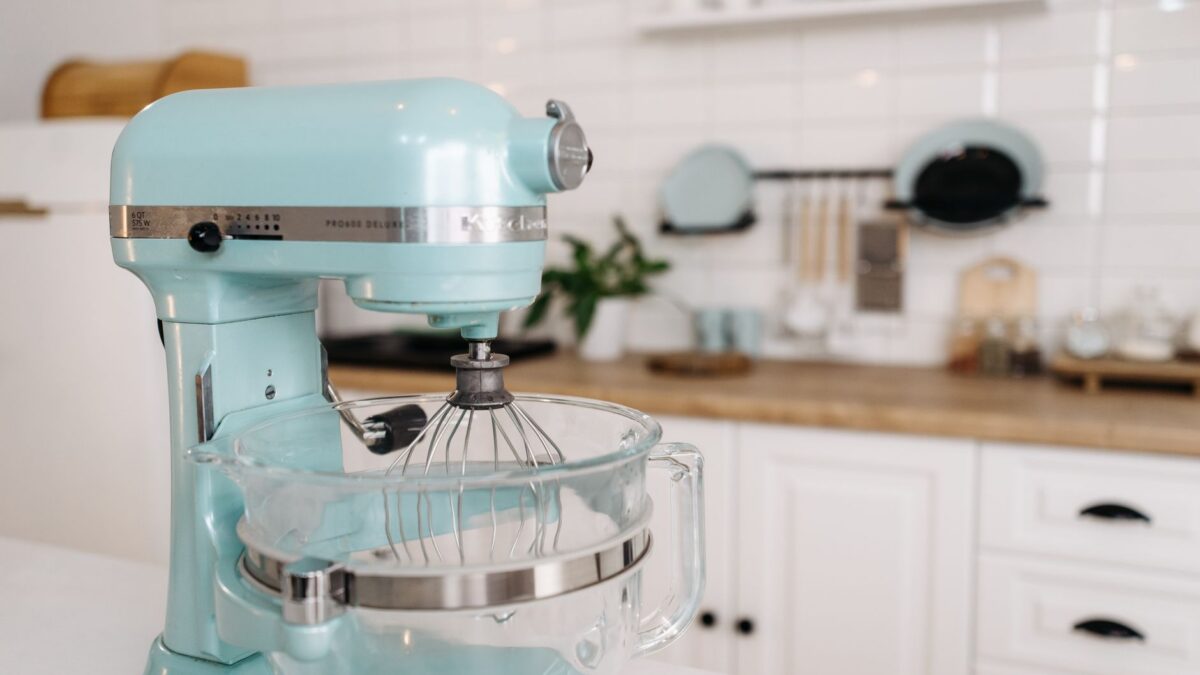
For most home bakers, a 5 quart KitchenAid is the best all-round size, and a 4.5 quart works well if you bake occasionally or have limited space. Choose a 6 quart bowl-lift if you often make double batches of dough or cookies, and a 7 quart if you bake in large amounts or knead heavy bread dough regularly. Bowl size is only part of the choice, because the design and motor also change how a mixer performs.
The four sizes at a glance
- 4.5 quart: The smallest common size, usually a tilt-head. Compact and lighter, suited to small kitchens and everyday batches.
- 5 quart: Also usually a tilt-head and the size most home bakers choose. It handles standard recipes for cakes, cookies, muffins and one or two loaves of bread.
- 6 quart: Usually a bowl-lift design with a stronger motor, aimed at larger batches and stiffer doughs.
- 7 quart: The largest bowl-lift, meant for frequent baking, big families, holiday cookie production and heavy dough.
Models, names and specifications change from year to year, so check the current product page for the motor wattage, bowl capacity and included attachments before buying.
Tilt-head versus bowl-lift
The two designs behave differently, and this matters as much as the quart number.
- Tilt-head: The head tips back so you can add ingredients and swap attachments easily. It is more compact and usually costs less, which is why 4.5 and 5 quart models are popular. Under heavy dough, the head can lift or shake slightly.
- Bowl-lift: The bowl sits on arms that crank up to the beater, and the head stays locked in place. This design is steadier with heavy loads, which is why larger models use it. It is taller, so check whether it fits under your cabinets.
Which size suits which baker
4.5 quart: the occasional baker
It suits a one- or two-person home, cakes, a batch of cookies, a single loaf of bread and whipped cream or egg whites. If you rarely multiply recipes, it is enough. It can struggle if you try to push a double batch of stiff dough into it.
5 quart: the everyday baker
This size covers most standard recipes without feeling oversized. If you bake weekly and sometimes make a double batch of cookies, it is a sound choice. It is also the best match for recipes written for standard home stand mixers.
6 quart: the frequent or family baker
The extra bowl room helps with doubled cookie recipes, multiple loaves of bread and large batches of frosting. The bowl-lift design is steadier on stiff mixtures such as bagel or pizza dough.
7 quart: the high-volume baker
It suits holiday baking marathons, bake sales, small home businesses and heavy doughs. It takes up the most space and weighs the most, so be sure you have a spot for it on the counter or an easy way to lift it.
What matters besides bowl size
- Counter and cabinet space: Measure the height with the head raised and the space under your cabinets.
- Weight: Heavier mixers stay put on the counter but are harder to move. If you will store it in a cupboard, a lighter model may be more practical.
- Attachments: Many KitchenAid attachments fit the front hub across sizes. The beaters, whisks and dough hooks are generally sized to the bowl, so check compatibility for replacements.
- Minimum quantity: Very small amounts, such as one egg white, can be hard for a big bowl to whip because the whisk may not reach the liquid. A smaller bowl is easier for small jobs.
Tips for choosing
- Think about the biggest thing you bake regularly, not the biggest you might ever bake.
- If you plan to knead bread dough often, lean toward a bowl-lift.
- Check your recipes. Doubling a batch of cookie dough needs more bowl room than a single cake.
- Compare prices at sale time. Our guide on which baking tools are worth buying on sale can help you decide when a discount is worth it.
If you are not sure a stand mixer is needed at all, read our comparison of a stand mixer and a hand mixer. For recipes such as muffins and quick breads, a bowl and spoon often do the job.
Quick answers
Is a 5 quart mixer big enough for bread dough?
Yes, for one or two standard loaves. If you often make large batches or very stiff dough, a bowl-lift model with a larger bowl will be steadier. Follow the manufacturer’s guidance on dough quantity so you do not overload the motor.
Can I use a different bowl size on my mixer?
Bowls are made to fit particular mixer models and designs, so check compatibility on the maker’s site before buying a second bowl. A spare bowl of the right size is handy when you bake several things in a row.
Will recipes written for a larger mixer work in a smaller one?
Often they do if you make a single batch. If a recipe calls for a large quantity, divide it in two so the bowl is not overfull. Our cake pan size conversions can also help when you adjust batch sizes.