How to Ship Holiday Cookies: Which Cookies Travel Well, How to Pack Them and When to Mail
Sturdy, dry cookies packed snugly in a tin, inside a cushioned box, mailed early in the week, arrive in good shape. Check your carrier's holiday cutoff dates before you bake.
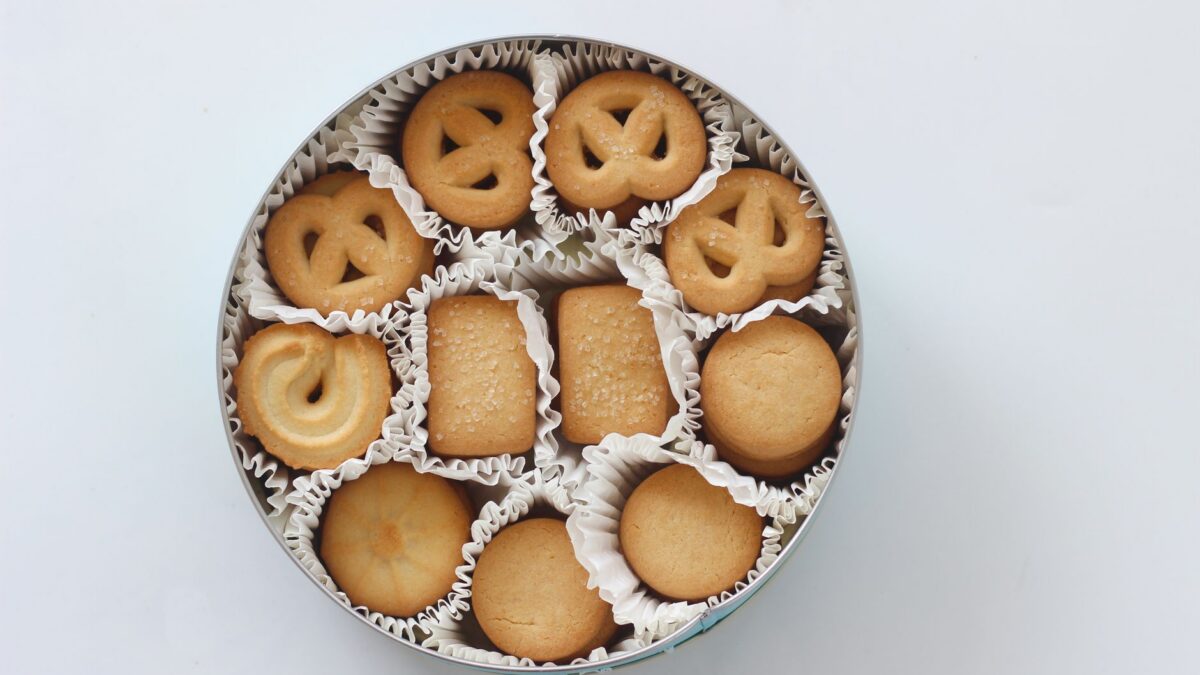
To ship holiday cookies successfully, choose sturdy, low-moisture cookies such as shortbread, biscotti, gingerbread, snickerdoodles or brownies; let them cool completely; pack them snugly in a tin or rigid container with parchment between layers; and put that container inside a larger box with cushioning on all sides. Mail early in the week, using a service that delivers in three days or less, and check your carrier’s holiday cutoff dates before you plan your baking day.
Carriers publish their holiday shipping deadlines each autumn, and they change from year to year, so look them up rather than relying on last year’s dates.
Cookies that ship well, and ones that don’t
| Ships well | Ships with care | Best not shipped |
|---|---|---|
| Shortbread | Cut-out cookies with fully dried royal icing | Cookies with cream cheese or whipped frosting |
| Biscotti | Thumbprints with set jam | Custard- or cream-filled cookies |
| Gingerbread and molasses cookies | Chocolate-dipped cookies (melt in warm trucks) | Meringues and very thin lace cookies |
| Snickerdoodles, oatmeal, chocolate chip | Sandwich cookies with buttercream | Anything that needs refrigeration |
| Brownies and blondies (uncut or in large squares) | Soft frosted sugar cookies | Very crumbly or fragile cookies |
A good rule: if a cookie keeps for a week at room temperature and you can drop it on the counter without it shattering, it is a good traveler. Recipes that fit: gingerbread cookies and oatmeal cookies. Bar cookies such as fudgy brownies travel best wrapped as a whole slab or in large pieces.
How to pack cookies step by step
- Cool completely. Warm cookies give off steam that softens them and makes them stick together.
- Wrap in pairs. Place two cookies of the same size back to back and wrap them in plastic wrap, or bag soft and crisp cookies separately so the crisp ones don’t absorb moisture.
- Use a rigid container. Metal tins, sturdy plastic containers or thick cardboard bakery boxes all work. Line with parchment or paper towels.
- Pack heaviest at the bottom. Stack cookies upright on their edges, like a row of records, or in flat layers separated by parchment. Upright stacks are surprisingly strong.
- Fill every gap. Crumpled parchment, mini cupcake liners or plain popcorn (if the recipient eats it) keep cookies from shifting. Movement is what breaks cookies.
- Shake test. Close the lid and shake gently. If you hear or feel movement, add more filler.
- Box in a box. Put the tin in a shipping box at least 2 inches (5 cm) larger on each side, and fill the space with bubble wrap, packing paper or air pillows.
- Label it. Mark the box “Fragile” if you like, and include a card inside with the cookie names and their major allergens (wheat, eggs, milk, nuts, soy, sesame).
Timing: when to bake and when to mail
- Bake 1 to 2 days before mailing, so cookies are fresh when they arrive. Sturdy cookies baked earlier can be frozen and thawed in a closed container; see how to freeze Christmas cookies.
- Mail Monday to Wednesday. Packages sent late in the week risk sitting in a warehouse over the weekend.
- Choose a faster service for distances that would take more than about three days by ground. Most well-chosen cookies stay good for a week, but less time in transit means fresher cookies and less chance of damage.
- Watch the weather. Chocolate can melt in warm regions, and very humid destinations soften crisp cookies. Skip chocolate coatings for warm climates.
Check carrier cutoff dates
Every major postal service publishes recommended last mailing dates for holiday delivery, usually in September or October, with separate dates for each service level and for international mail. In the US, check the holiday shipping page at USPS, along with UPS or FedEx if you use them. In the UK, check Royal Mail for its Christmas last posting dates. Canada Post and Australia Post publish similar lists. As a general pattern, international deadlines fall weeks earlier than domestic ones, and the cheapest ground services have the earliest cutoffs.
Shipping cookies abroad
- Many countries restrict food imports. Homemade baked goods are often allowed, but rules on ingredients such as meat, dairy or nuts vary. Check the destination’s rules and your carrier’s international guidance before sending.
- You will usually need a customs declaration describing the contents, such as “homemade cookies (wheat, sugar, butter, eggs)”.
- Allow extra transit time, and choose the sturdiest cookies you have.
Keeping cookies fresh in transit
- Ship one type per container when possible. Strong flavors such as peppermint, anise and gingerbread transfer to milder cookies.
- Crisp cookies stay crisp when packed airtight and away from soft ones.
- Soft cookies stay soft longer when wrapped individually.
- Avoid adding fresh fruit or bread slices to keep cookies soft in a shipped box; they can mold during transit.
Food safety note
Ship only fully baked, shelf-stable cookies. Anything with a cream cheese, custard or whipped cream component needs refrigeration and should not travel by mail. Never ship raw cookie dough as a gift unless it is clearly labeled to be baked before eating: raw dough contains raw flour and usually raw eggs.
Bottom line
Pick sturdy, dry cookies, cool them completely, pack them snugly in a rigid tin inside a cushioned box, and mail early in the week with a fast service. Look up this year’s carrier cutoff dates first, then plan your baking day around them.
FAQ
How long do shipped cookies stay fresh?
Most sturdy cookies stay good for about a week if packed airtight, so aim for delivery within two to three days of baking.
Can I ship cookies with royal icing?
Yes, once the icing has dried completely, usually overnight. Wrap individually or separate layers with parchment.
What is the best container for shipping cookies?
A metal tin or sturdy plastic container, packed tightly and placed inside a larger cushioned box.
Should I freeze cookies before shipping?
It isn’t necessary. Freezing ahead lets you bake early, but thaw cookies in a closed container before packing so condensation doesn’t soften them.