Sugar Substitutes in Baking: Honey, Maple Syrup and Sweeteners, and What Does Not Bake Well
Sugar does far more than sweeten, so every substitute changes something: moisture, browning, spread or rise. Here is how to adjust for liquid sweeteners and which sugar-free options survive the oven.
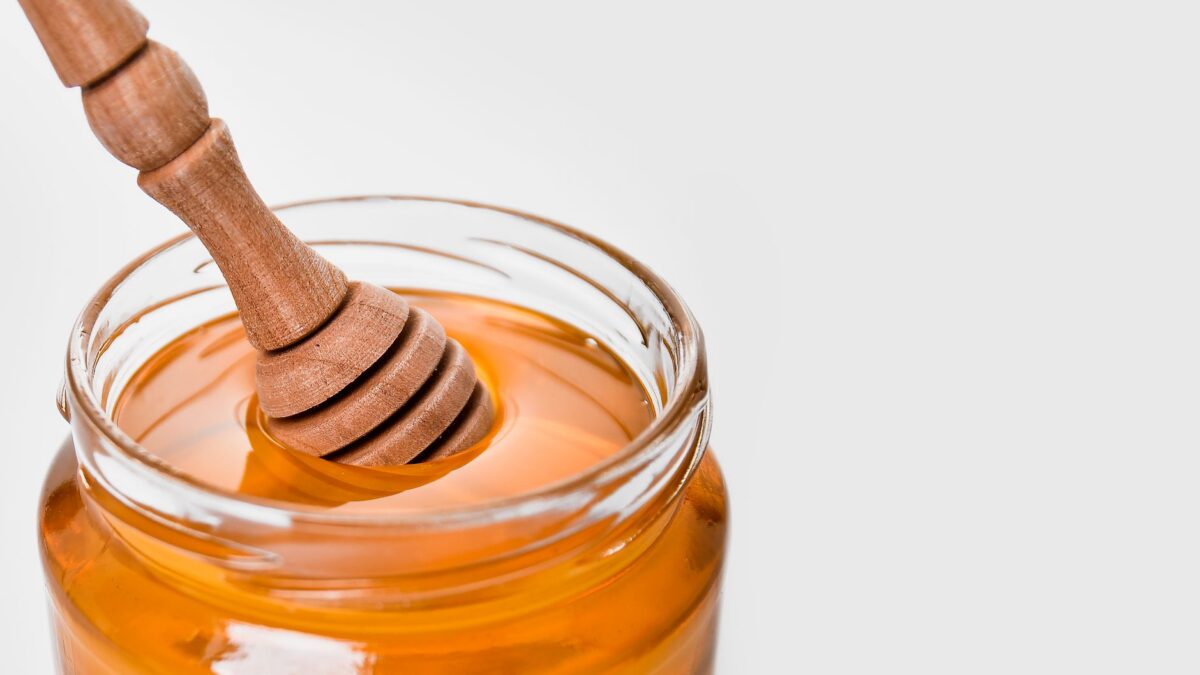
You can replace sugar with honey or maple syrup if you adjust for their water: for each cup used, reduce the recipe’s other liquid (about 1/4 cup for honey, about 3 tablespoons for maple syrup), add a little baking soda, and lower the oven by about 25°F (15°C). Heat-stable sweeteners such as sucralose, along with bulk sweeteners such as allulose and erythritol, can also be used, best as baking blends. Aspartame loses its sweetness when heated and is not suited to baking.
Why sugar is hard to replace
In a muffin or cake, sugar is a structural ingredient, not just a flavoring. It holds moisture so bakes stay soft, delays the setting of eggs and flour so the batter can rise longer, makes the crumb tender, and caramelizes into a golden crust. In cookies it also controls spread and crispness. The full picture is in what sugar does in baking.
So any swap needs to answer three questions: does it add liquid, does it brown, and does it have bulk, the volume that granulated sugar takes up in a batter?
Sugar substitutes at a glance
| Substitute | Starting swap for 1 cup (198 g) sugar | Adjustments | Effect |
|---|---|---|---|
| Honey | Start by replacing up to half the sugar | Cut liquid by about 1/4 cup per cup of honey; add about 1/2 tsp baking soda per cup; lower oven 25°F | Moister, denser, browns faster; floral flavor |
| Maple syrup | 3/4 cup (about 234 g) | Cut liquid by about 3 tbsp; add about 1/4 tsp baking soda; lower oven 25°F | Moist, soft crumb; maple flavor; browns faster |
| Brown or coconut sugar | 1 cup, 1:1 | None | Caramel flavor, darker color |
| Allulose | Follow package; about 70% as sweet as sugar | Lower oven slightly or tent with foil if browning fast | Browns well, very soft and moist |
| Erythritol or erythritol blends | Follow package (many blends are 1:1) | None, but texture changes | Little browning, cooling taste, can recrystallize |
| Sucralose baking blend | Follow package | Blends with sugar or bulking agents work best | Heat stable; pure sucralose has no bulk |
| Stevia or monk fruit extract | Follow package; tiny amounts | Needs a bulking agent or a blend | No browning or structure on its own |
Weights are based on King Arthur’s ingredient weight chart: granulated sugar 198 g per cup, honey 21 g per tablespoon (about 336 g per cup) and maple syrup 156 g per 1/2 cup.
Baking with honey
Honey is mostly sugars with some water, and it tastes sweeter than granulated sugar. It also attracts moisture, so honey bakes stay soft and keep well. The adjustments widely shared from National Honey Board guidance:
- Begin by replacing up to half of the sugar with honey, so the recipe stays predictable.
- Reduce other liquid by about 1/4 cup for each cup of honey used.
- Add about 1/2 teaspoon baking soda per cup of honey to balance its acidity and help the rise. (Some extension handouts suggest 1/4 teaspoon.)
- Lower the oven by about 25°F (about 15°C), since honey browns quickly.
- Coat the measuring cup with a little oil first so the honey slides out.
Honey works well in muffins, bran muffins, quick breads and soft cookies. It is less suited to crisp cookies and light sponge cakes.
Safety note: do not give honey, including honey baked into foods, to babies under 12 months old. The CDC advises this because of the risk of infant botulism.
Baking with maple syrup
The Vermont Maple Sugar Makers’ Association suggests substituting maple syrup at about 3/4 cup per cup of sugar, reducing the liquid by about 3 tablespoons per cup of syrup and lowering the oven about 25°F. A little baking soda (about 1/4 teaspoon per cup) is often added unless the recipe already includes buttermilk or sour cream. Use pure maple syrup, not pancake syrup, which is mostly corn syrup and flavoring. Bring it to room temperature so it does not chill the batter.
Sugar-free sweeteners: what bakes and what does not
The FDA’s sweeteners page lists six approved high-intensity sweeteners (aspartame, acesulfame potassium, sucralose, neotame, advantame and saccharin), plus GRAS-notified purified stevia and monk fruit extracts. For baking:
- Heat-stable: the FDA describes acesulfame potassium, sucralose, neotame and advantame as heat stable and usable in baked goods.
- Not for baking: aspartame, which the FDA notes loses its sweetness when heated.
- The bulk problem: high-intensity sweeteners are used in tiny amounts, so they cannot replace sugar’s volume, moisture or browning. That is why baking blends mix them with sugar, erythritol, allulose or starch-based fillers.
Allulose and erythritol
These bulk sweeteners behave more like sugar by volume. Allulose is about 70% as sweet as sugar and browns readily, sometimes faster than sugar, so bakes can darken early. Erythritol does not brown much, can leave a cooling sensation, and may recrystallize as bakes cool. Blends of the two balance these traits. Use products labeled for baking and follow their conversion charts.
What usually goes wrong
| Problem | Cause | Fix |
|---|---|---|
| Dark outside, raw middle | Honey, maple or allulose browning fast | Lower the oven 25°F; tent with foil; check with a toothpick |
| Dense, gummy muffins | Too much liquid from syrups | Reduce other liquid as above |
| Pale, dry, crumbly bake | Sugar-free sweetener without bulk or moisture | Use a baking blend; add yogurt or applesauce for moisture |
| Flat cookies | Liquid sweetener thins dough | Chill dough; keep some granulated sugar |
| Quick staling | Less sugar holding moisture | Store airtight; freeze extras |
If you are cutting sugar rather than replacing it, modest reductions are usually tolerated in muffins, while big cuts change texture; see healthy muffin swaps.
Health note
Honey, maple syrup, coconut sugar and agave are still sugars. People managing diabetes, or following any medical diet, should follow their doctor’s or dietitian’s guidance on sweeteners. Sugar alcohols such as erythritol can cause digestive upset in large amounts.
Bottom line
Liquid sweeteners work well in muffins and quick breads when you cut other liquid, add a little baking soda and bake about 25°F cooler. For sugar-free baking, choose heat-stable sweeteners in blends made for baking, and avoid aspartame. Expect changes in browning, moisture and keeping quality, and adjust one thing at a time.
FAQ
Can I replace all the sugar in a muffin recipe with honey?
You can, but results are less predictable. Muffins come out denser, moister and darker. Start with half and adjust the liquid, baking soda and oven temperature as described above.
Is agave nectar a good sugar substitute for baking?
Agave behaves much like honey: it is liquid, sweeter than sugar and browns quickly. Use similar adjustments, reducing liquid and oven temperature.
Why does my sugar-free cake taste cool or minty?
That cooling effect comes from erythritol. Blends that combine erythritol with allulose or other sweeteners tend to reduce it.
Can I use sugar substitutes in yeast breads?
Yeast feeds on sugar, and most sugar-free sweeteners do not feed it. Small amounts of sugar or honey in yeast doughs are best left in.