Baking Sheets Guide: Half Sheets, Cookie Sheets, Insulated Pans and What to Line Them With
Rimmed or rimless, light or dark, parchment or silicone mat: how each choice changes the way cookies and sheet bakes turn out.
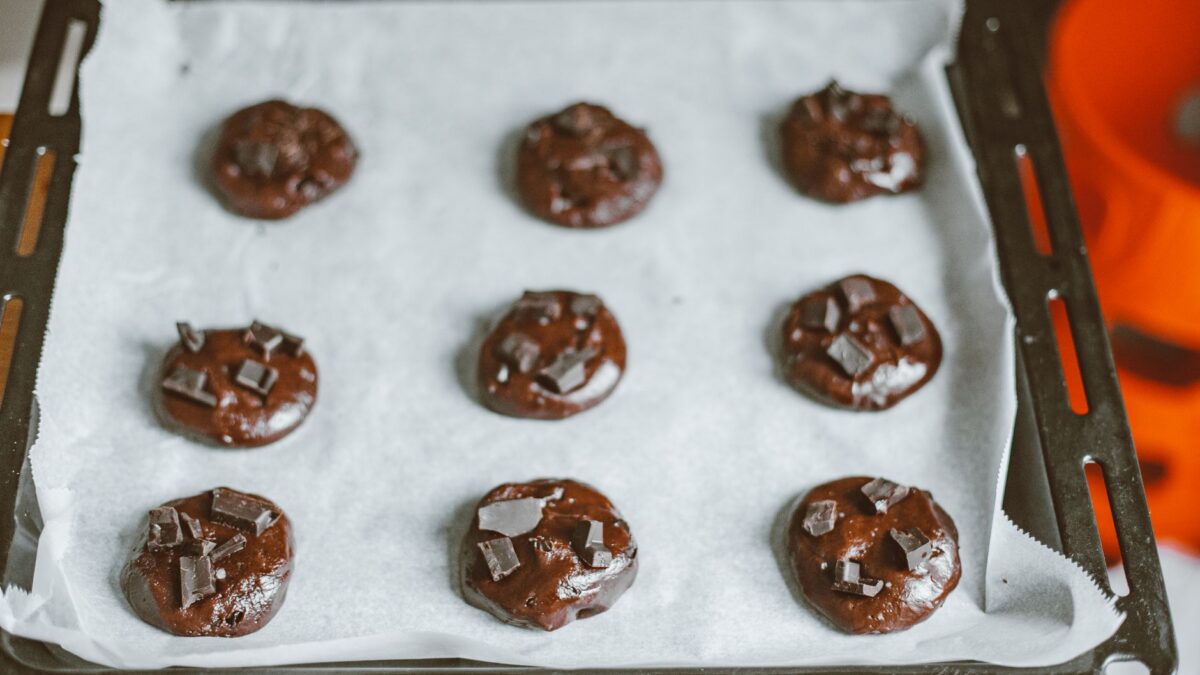
If you buy one baking sheet, make it a rimmed half sheet pan in heavy, light-colored aluminum, about 18 x 13 inches (46 x 33 cm). It bakes cookies, roasts vegetables, holds muffin tins steady and catches drips. A rimless cookie sheet is a useful second pan because cookies slide off easily and air moves freely around them. Line either one with parchment for most bakes.
The details below explain sizes, how rims and insulation change baking, and when to choose parchment, a silicone mat or a bare pan.
Sizes, by name
| Name | Approximate size | Notes |
|---|---|---|
| Full sheet | 26 x 18 in | Commercial size; too large for most home ovens |
| Half sheet | 18 x 13 in | The standard home baking sheet |
| Quarter sheet | 13 x 9 in | Small batches, toaster ovens, prep trays |
| Jelly roll pan | Often around 15 x 10 in | Shallow rim; sponge cakes for rolling |
| Cookie sheet | Varies | Flat, with one or two raised edges or none |
Sizes vary slightly between manufacturers, and some measure outer edges. Check that the pan fits your oven with at least an inch or two of space around it for air circulation.
Rimmed sheet pan vs cookie sheet
Rimmed sheet pans have a raised edge, usually about an inch tall, on all four sides. The rim adds stiffness, so the pan warps less, and it keeps juices, butter and batter from running off. It is the right choice for sheet cakes, bars, roasting and anything that might drip.
Cookie sheets are flat with one or two lips for grabbing. With no walls around the edge, hot air flows across the cookies more evenly, and you can slide a whole sheet of parchment with cookies onto a cooling rack. Many bakers find cookies bake a little more evenly near the edges on a rimless sheet.
| Need | Better choice |
|---|---|
| Drop cookies, cut-out cookies | Either; rimless is slightly easier |
| Bar cookies, sheet cakes | Rimmed |
| Holding a muffin tin or pie | Rimmed |
| Roasting and anything juicy | Rimmed |
| Sliding cookies off quickly | Rimless |
Material, color and insulation
- Heavy-gauge aluminum: conducts heat evenly and resists warping. A common professional choice.
- Aluminized steel: sturdy and durable, often with a nonstick finish.
- Dark or nonstick: browns bottoms faster. Cookies can over-brown before the tops are set. Check early or lower the oven slightly.
- Insulated (double-layer): two sheets with an air gap slow heat to the bottom. Cookies brown less underneath and may need a little more time. Some bakers like them for delicate cookies; others find cookies spread more before they set.
- Thin, cheap sheets: warp in a hot oven (that loud “pop”) and can brown unevenly.
Parchment, silicone mat or bare pan?
| Surface | Release | Effect on cookies | Good to know |
|---|---|---|---|
| Parchment paper | Very good | Even browning; little effect on spread | Check the box for its maximum oven temperature; trim so it does not touch elements |
| Silicone baking mat | Very good | Bottoms bake slightly paler; some cookies spread a bit more | Reusable; check the manufacturer’s temperature limit; do not cut on it |
| Bare, ungreased pan | Fair to good for buttery cookies | Browner, crisper bottoms | Most recipes for butter cookies assume an ungreased sheet |
| Greased pan | Good | Can encourage spreading | Use only if the recipe says to |
| Foil | Fair (sticks unless greased) | Can brown bottoms faster | Better for roasting than cookies |
Avoid wax paper in the oven; its coating is not made for oven heat. If your cookies are spreading too much, a greased pan or a warm sheet is a common culprit; see why cookies spread.
How to get even cookie batches
- Use cool sheets. Dough placed on a hot sheet starts melting before it reaches the oven. Rotate two or three sheets, or run a hot sheet under cool water and dry it.
- Bake one sheet at a time on the middle rack for the most even results, unless you are using convection. For multi-rack baking, see convection oven baking.
- Rotate the sheet front to back halfway through if your oven has hot spots.
- Space dough evenly, usually about 2 inches (5 cm) apart for drop cookies, or as the recipe says.
- Cool briefly on the sheet, then move cookies to a rack so carryover heat does not overbake the bottoms.
For texture levers like sugar type and bake time, see chewy vs crispy cookies.
Care
- Hand wash aluminum sheets; dishwashers can dull and discolor them. Discoloration from use is normal and does not affect baking much.
- Soak baked-on residue in hot soapy water, then use a non-scratch scrubber.
- Avoid metal utensils on nonstick finishes.
- Let pans cool before washing to reduce warping.
Bottom line
A heavy, light-colored rimmed half sheet pan covers most baking. Add a rimless cookie sheet if you bake lots of cookies. Line with parchment for easy release and even browning, use a silicone mat when you want a reusable option, and keep sheets cool between batches.
FAQ
Are half sheet pans the same as cookie sheets?
Not exactly. A half sheet pan has a rim on all four sides; a cookie sheet is mostly flat. People use both names loosely.
Why did my baking sheet warp in the oven?
Thin metal expands unevenly when heated, especially when partly covered with food or exposed to high heat. Heavier-gauge pans with rims warp less.
Do insulated sheets prevent burnt bottoms?
They slow bottom browning, which helps in hot ovens, but cookies may take longer and spread differently.
Can I reuse parchment?
For a few batches of dry cookies, often yes, until it darkens or becomes brittle.