Why Did My Cookies Come Out Hard? Causes, Soft Storage and Rescue Tips
Hard cookies usually come from overbaking, too much flour or dry storage. Learn the causes, how to keep cookies soft and how to soften ones gone hard.
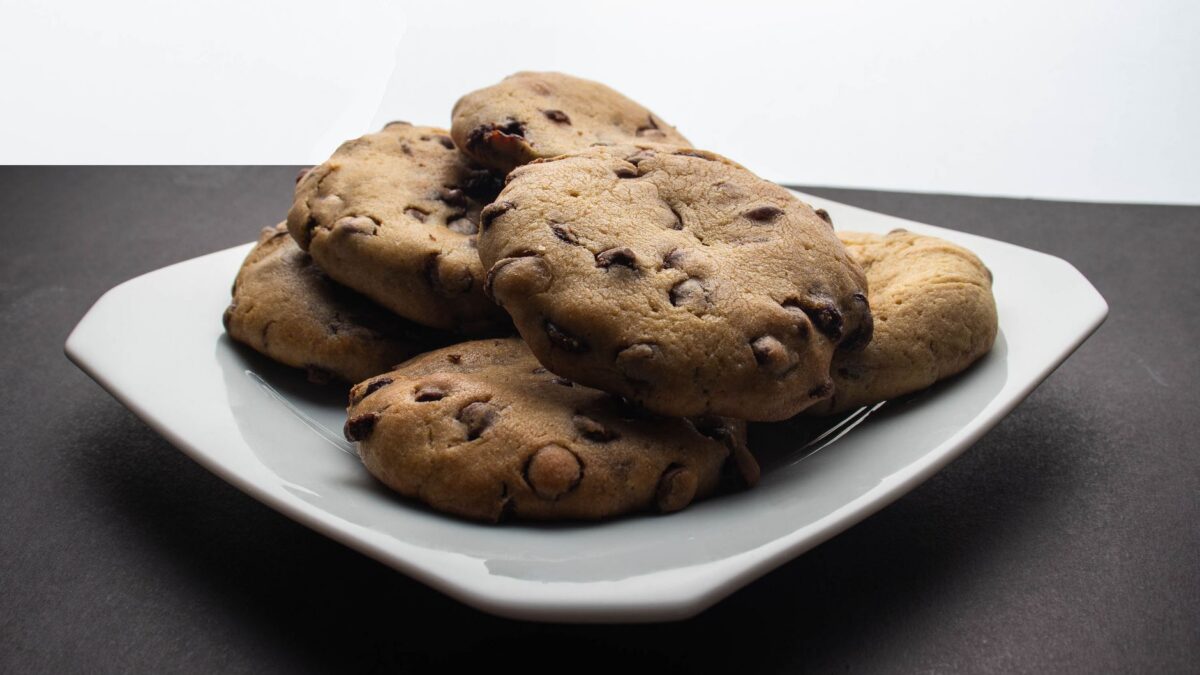
Cookies turn hard when they lose too much moisture or build too much gluten: the usual culprits are overbaking, too much flour, too little fat or sugar, overmixing, and storing them uncovered or too long. The fix depends on the cause. For cookies already baked, you can often soften them with a slice of bread or a few seconds of gentle steam, and next time adjust the baking time, flour measuring or storage.
Common reasons cookies turn out hard
Overbaking
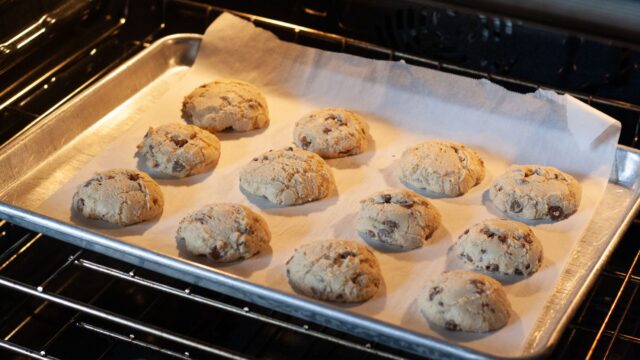
This is the most frequent cause. Cookies keep baking on the hot sheet after they leave the oven, so a cookie that looks fully done in the oven will be too firm once it cools. For soft cookies, remove them when the edges are set and golden but the centers still look slightly underdone and soft. Leave them on the sheet for 2 to 5 minutes, then move them to a rack.
Too much flour
Scooping a measuring cup straight into the flour packs it down, and you can end up with far more than the recipe intended. Extra flour makes dry, dense, hard cookies. Spoon flour into the cup and level it off, or weigh it. One cup of all-purpose flour is about 120 to 125 grams by common baking convention, though recipes differ, so use the recipe’s own weight if it gives one.
Too little fat, sugar or moisture
Butter and sugar keep cookies tender. Sugar attracts and holds water, and fat coats the flour so less gluten forms. Cutting sugar or butter, or swapping butter for a lower-fat spread, can lead to cookies that bake up dry and firm. Brown sugar adds more moisture than white sugar, which is one reason many soft cookie recipes use plenty of it.
Overmixing the dough
Once the flour goes in, mixing builds gluten. Beating too long or too fast makes tough, bready cookies. Mix just until the flour disappears.
Too many eggs or the wrong type of egg
Extra egg whites add structure and can make cookies cakey or tough. Follow the recipe, and do not add an extra egg to fix a crumbly dough.
Wrong oven temperature or pan
Ovens can run hotter than the dial says, which dries out cookies. An oven thermometer shows the real temperature. Thin, dark pans brown the bottoms faster and can make cookies firm, while light-colored, heavy sheets bake more evenly. Use parchment paper and avoid baking on a sheet that is still hot from the previous batch.
Baking small or thin cookies for too long
Smaller or thinner cookies bake faster. If you change the size from what the recipe says, shorten the time and check early.
How to bake cookies that stay soft
- Measure flour carefully and do not add extra to a sticky dough unless the recipe suggests it.
- Pull cookies out while the centers still look a little soft, and let them finish on the sheet.
- Use a mix of brown and white sugar when the recipe allows it.
- Chill the dough if the recipe says so, since firm dough spreads less and bakes more evenly.
- Use a cookie scoop so all cookies are the same size and bake at the same rate.
- If your cookies spread too much instead, see why cookies spread and how to fix flat cookies.
How to store cookies so they stay soft
- Cool them completely before packing. Warm cookies create steam that makes them soggy or sticky.
- Use an airtight container at room temperature. Keep soft and crisp cookies in separate containers, because the moisture moves from soft cookies to crisp ones.
- Add a moisture source if you like: a small piece of sandwich bread or a slice of apple in the container, replaced every day or two. Remove it if it starts to look moldy or dry.
- Freeze for longer storage. Wrap tightly and freeze; see how to freeze cookies, dough versus baked, for details.
Most baked cookies keep well for a few days at room temperature. Cookies with cream cheese, custard or other perishable fillings should be refrigerated.
How to soften hard cookies
- Bread method: place the cookies in an airtight container with a slice of fresh bread. In several hours to overnight, the cookies absorb moisture from the bread and soften.
- Microwave steam: put a cookie on a microwave-safe plate next to a small cup of water, or under a barely damp paper towel, and heat in short bursts of 5 to 10 seconds. Check each time, because cookies can turn hard again once they cool, so eat them warm.
- Oven refresh: wrap cookies loosely in foil with a sprinkle of water on the outside of the foil, not on the cookies, and warm at a low temperature of 250 to 300°F (120 to 150°C) for a few minutes.
- Repurpose them: hard cookies make good crumbs for pie crusts, ice cream toppings or dessert layers, or can be dunked in milk or coffee.
Cookies that are crisp on purpose
Some cookies are meant to be firm, such as biscotti, shortbread and many gingerbread cutouts. If you want those to be softer or crisper, follow the guidance in gingerbread cookies, soft or crisp. A thicker dough, a shorter bake time and more molasses or brown sugar lean soft, while rolling thin and baking longer leans crisp.
Quick answers
Can I fix cookie dough that is too dry?
Work in a teaspoon or two of milk or water at a time until the dough holds together. Do not overmix. If the dough is crumbly because of too much flour, a little extra softened butter can help too.
Why do my cookies get hard after one day?
They are probably losing moisture to the air. Store them airtight, once fully cooled, and bake slightly shorter next time.
Do cookies firm up as they cool?
Yes. Cookies set as they cool, so a soft, slightly puffy center out of the oven is normal and is what leads to a soft cookie later.
Is it safe to eat cookies that are just hard?
Yes, if they have been stored properly and show no mold, off smell or odd texture. Hardness alone is a quality issue, not a safety issue.