Cake Flour Substitute: The All-Purpose Flour and Cornstarch Method, and When It Matters
Cake flour is simply lower in protein than all-purpose flour. Cutting all-purpose with cornstarch gets you most of the way there, and for muffins you rarely need it at all.
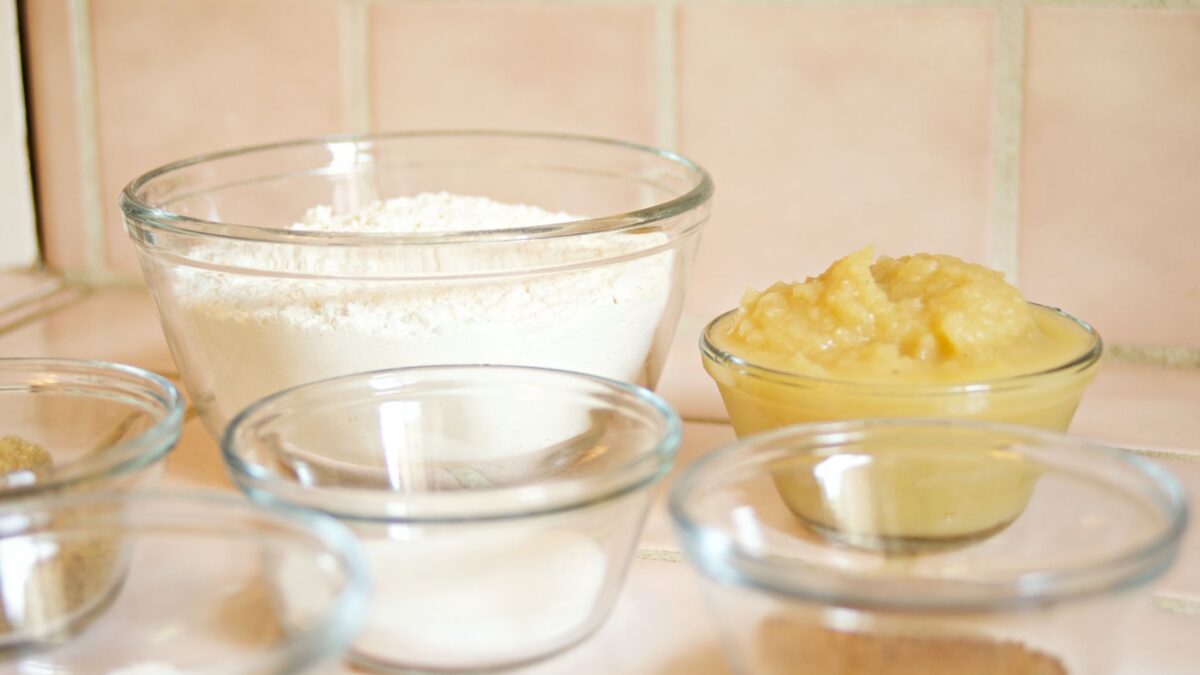
To replace 1 cup of cake flour, whisk 3/4 cup plus 2 tablespoons (105 g) all-purpose flour with 2 tablespoons (14 g) cornstarch, then use it cup for cup or gram for gram. This is the method King Arthur Baking recommends. The cornstarch dilutes the flour’s protein, giving a softer, finer crumb in cakes and cupcakes. In muffins and quick breads, plain all-purpose flour is usually fine.
What makes cake flour different
The main difference is protein. When flour is mixed with water, two of its proteins join to form gluten, the stretchy network that gives bread its chew. In a tender cake, you want less of it. According to King Arthur’s comparison of cake flour vs all-purpose flour, its unbleached cake flour has about 10% protein and its all-purpose flour 11.7%. Many bleached supermarket cake flours are lower still, and protein levels vary by brand and country.
Traditional US cake flour is also usually bleached. The treatment changes the flour’s starch so it absorbs more liquid and sugar and sets a very fine, moist, even crumb. That is why “high-ratio” cakes, which have more sugar than flour by weight, are traditionally made with bleached cake flour. A homemade substitute cannot copy this part, but it gets the protein close. More on how gluten forms is in what gluten does.
Flour protein at a glance
| Flour | Typical protein | Typical uses |
|---|---|---|
| Cake flour | Lowest; about 10% for King Arthur unbleached, often lower for bleached brands | Layer cakes, chiffon, angel food, tender cupcakes |
| Pastry flour | Low, between cake and all-purpose | Pie crust, tender cookies, scones |
| All-purpose flour | Medium; 11.7% for King Arthur, lower for many Southern brands | Muffins, quick breads, cookies, most cakes |
| Bread flour | High | Yeast breads, bagels, pizza |
Check the nutrition panel if you want to compare brands: grams of protein per serving divided by the serving weight gives an approximate protein percentage.
How to make cake flour substitute
- For each cup of cake flour in the recipe, measure 3/4 cup + 2 tablespoons (105 g) all-purpose flour. Spoon it into the cup and level it, or better, weigh it.
- Add 2 tablespoons (14 g) cornstarch.
- Whisk well, or sift together two or three times, so the cornstarch is evenly distributed.
- Measure the blend exactly as you would cake flour: 1 cup of blend for each cup of cake flour, or 119–120 g by weight.
Weights follow King Arthur’s guidance and its ingredient weight chart, which lists cake flour at 120 g per cup and cornstarch at 28 g per 1/4 cup.
Scaling table
| Cake flour needed | All-purpose flour | Cornstarch |
|---|---|---|
| 1 cup (120 g) | 3/4 cup + 2 tbsp (105 g) | 2 tbsp (14 g) |
| 2 cups (240 g) | 1 3/4 cups (210 g) | 1/4 cup (28 g) |
| 2 1/2 cups (300 g) | 2 cups + 3 tbsp (263 g) | 5 tbsp (35 g) |
| 3 cups (360 g) | 2 1/2 cups + 2 tbsp (315 g) | 6 tbsp (42 g) |
Arrowroot or potato starch can replace cornstarch in the same amount if you prefer.
When the substitution matters
Worth doing
- White and yellow layer cakes and vanilla cupcakes, where a fine, soft crumb is the goal.
- Chiffon and angel food cakes, which depend on light structure. (For high-ratio recipes, real bleached cake flour still gives the best result.)
- Recipes that specifically say cake flour and weigh it, which suggests the author tuned the texture closely.
Usually not needed
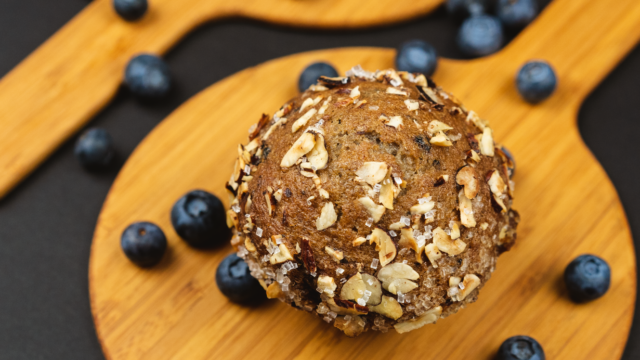
- Muffins and quick breads. These are designed around all-purpose flour. Gentle mixing matters far more than flour type; see muffin tunnels and holes.
- Chocolate cakes with cocoa. Cocoa powder already lowers the gluten-forming share of the dry ingredients.
- Dense cakes such as pound cake, carrot cake and banana cake, which hold up well with all-purpose flour.
Going the other way: cake flour in place of all-purpose
This swap is riskier. King Arthur notes that using cake flour 1:1 in a recipe written for all-purpose flour can lead to cakes or bars that sink and cookies that are too delicate. If you must, use it in tender bakes such as muffins and quick breads, and avoid it in cookies, yeast doughs and anything that needs to hold a shape. The simplest choice is to buy the flour the recipe calls for.
Common mistakes
- Scooping the flour. Scooping straight from the bag packs the cup with noticeably more flour than 120 g, which can undo the effect of the cornstarch. Spoon and level, or weigh.
- Using bread flour. It has too much protein for this method to compensate.
- Overmixing the batter. Even with lower-protein flour, beating after the flour goes in develops gluten. Mix just until smooth.
- Skipping the sift. Cornstarch clumps easily; unmixed pockets bake into dense spots.
Whatever flour you use, raw flour is a raw agricultural product, so do not taste the batter before baking.
Bottom line
For each cup of cake flour, use 105 g all-purpose flour plus 14 g cornstarch, whisked or sifted together. It is worth the effort for light layer cakes and cupcakes, and rarely needed for muffins, quick breads or dense cakes. Avoid swapping cake flour into recipes written for all-purpose unless they are very forgiving.
FAQ
Is cake flour the same as self-rising flour?
No. Cake flour contains no leavening or salt. Self-rising flour has baking powder and, in the US, salt mixed in, and it is not a direct substitute for cake flour.
Is pastry flour a good cake flour substitute?
It is closer than all-purpose flour, since its protein sits between the two. It works well in muffins and many cakes, though it will not give quite as fine a crumb as cake flour.
Can I use this substitute in cupcakes?
Yes. Cupcakes made with the cornstarch blend tend to be softer and finer-crumbed than those made with plain all-purpose flour.
Is cake flour available in the UK and Australia?
US-style cake flour is less common. UK and Australian bakers often use plain flour with the cornstarch (cornflour) method.